
Cause or effect?
Young people and ASMR

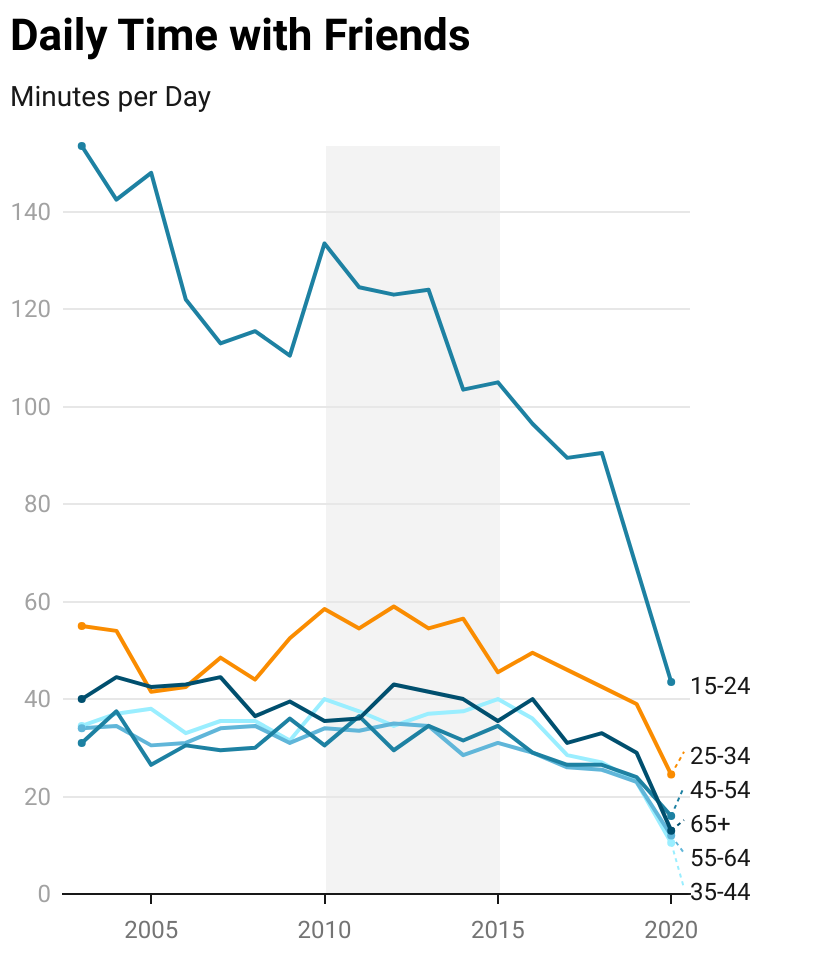
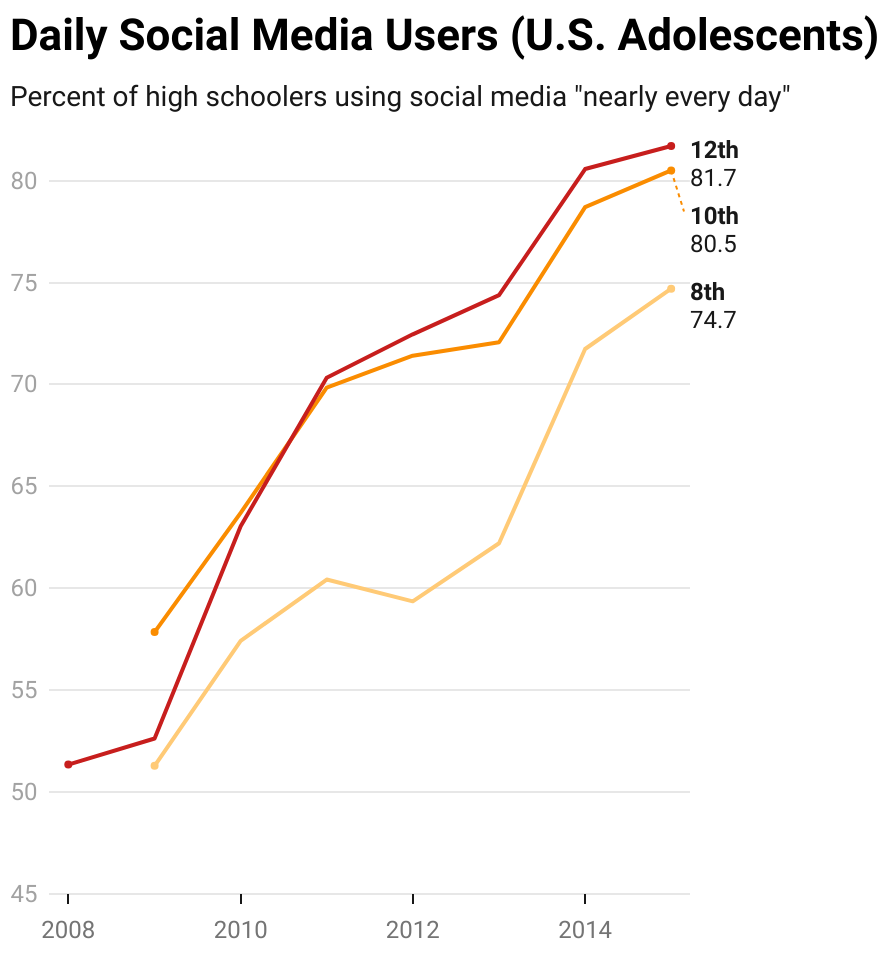
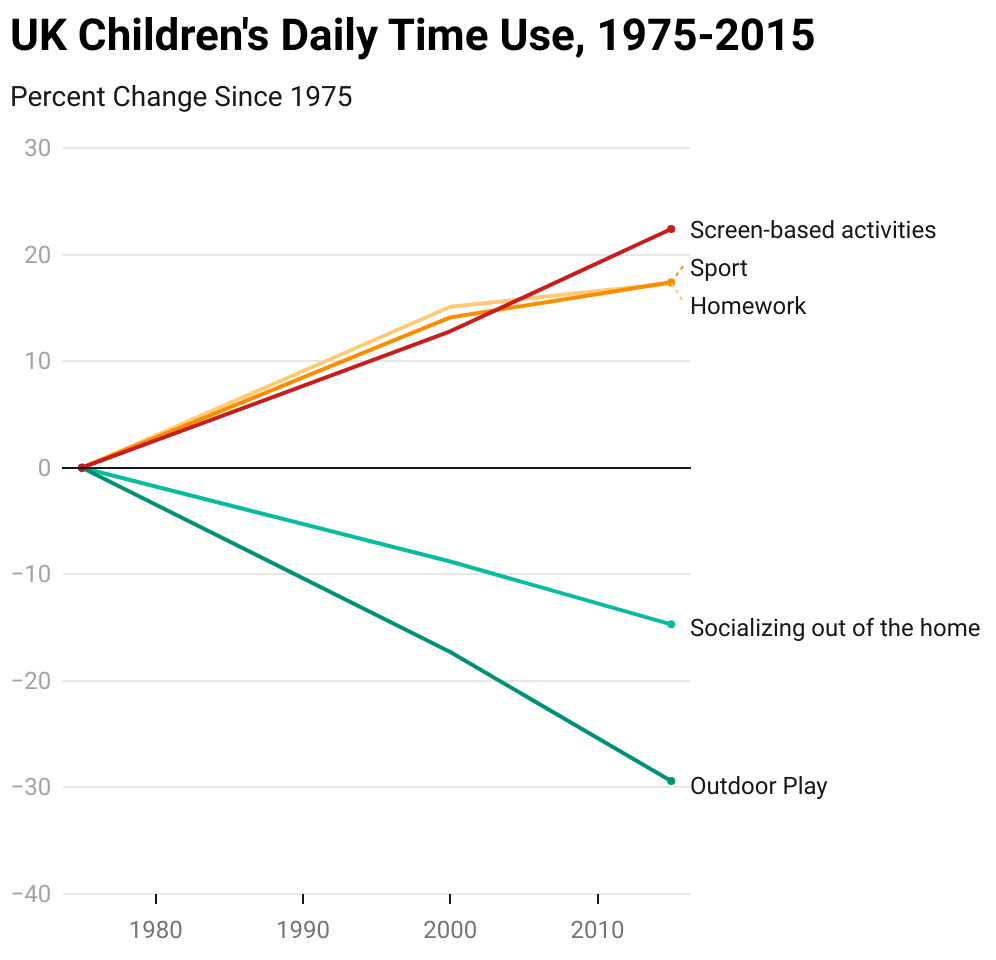
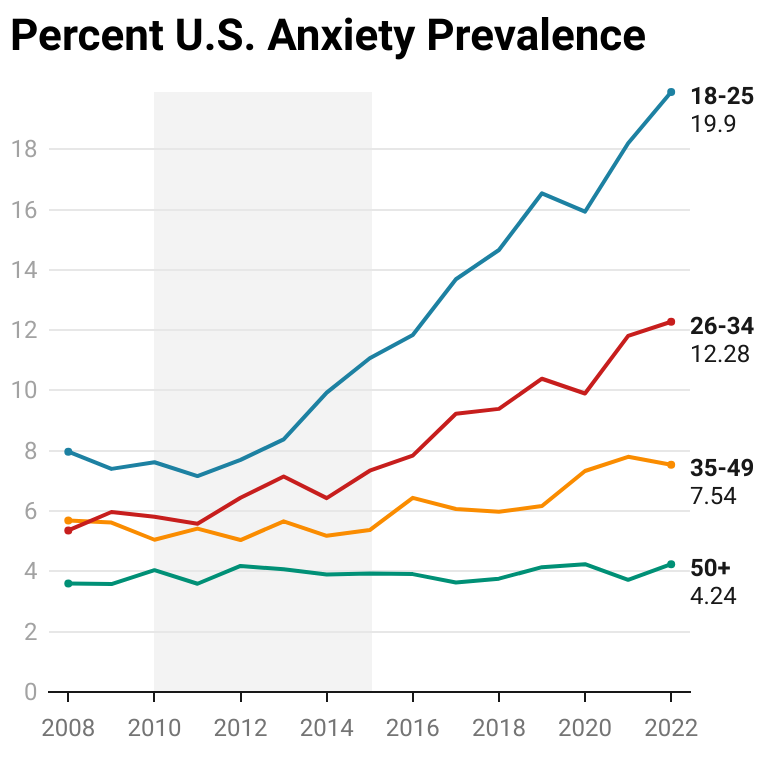
Younger people are going out less, and feeling more anxious
Analysis of our survey data shows age is the strongest predictor of enjoyment of ASMR content: young people are much more likely to see, watch and enjoy ASMR videos.
The findings also echo other data sets that suggest younger people are increasingly likely to report a preference for screen-based rather than face-to-face interaction.
Data from both the UK and the US shows that, compared with previous generations, young people are spending less time out in the world. They have fewer face-to-face interactions and spend much more time on screens.
Children spend less time playing outdoors. Research indicates that only 27% of children regularly play outside their homes, compared with 71% of their parents’ generation. Studies have documented a rise in structured and adult-led activities for children, often at the expense of unstructured, child-led play. Opportunities for children to climb trees, build dens, get muddy or play with fire have all shrunk.
Younger people are also experiencing much higher rates of anxiety than older generations. In the UK and globally, the evidence indicates dramatic increases in anxiety and other mental health conditions for younger cohorts. These studies cover rates of diagnosed mental health conditions, measures of worry and distress, and behavioural indicators such as rates of hospital admission for self harm, suggesting this cannot be solely explained by increasing awareness nor by higher diagnosis rates.
While the reasons are contested and likely complex, it seems that everyday life is simply experienced as being more stressful on average by younger people than it was by previous generations.
Is ASMR’s appeal explained by neurodiversity?
Several of the people we interviewed mentioned that watching ASMR content helped alleviate their experiences of ADHD. There is also wider academic research suggesting ASMR may appeal specifically to people seeking therapeutic interventions for both ADHD and autism. So we considered the possibility that the increase in diagnoses of neurodiverse conditions like autism and ADHD could explain the recent uptick in consumption of ASMR.
However, the numbers would suggest this is unlikely to entirely explain it. Estimates are that 1.1% of adults in the UK have autism, and between 3-4% have ADHD, so this would account for only a very small proportion of the 44% of 18-14-year-olds people in our survey who reported enjoying the ‘slime ASMR’ video, or the 21% of the same age group who said they enjoyed the the ‘affirmations ASMR’ video.
Even allowing for the likelihood of underdiagnosis of autism and the acknowledgment that the most recent ADHD data is likely to be out of date, their incidence is not high enough to explain, on its own, the scale of engagement with ASMR videos.
But given how frequently ADHD is mentioned in ASMR video titles and descriptions, it would appear that ASMR is often being marketed to appeal to people with ADHD or ADHD-like traits.
Some of the traits commonly seen in people with conditions such as autism and ADHD – including sensory and social sensitivities – do appear to be more common among the people who reported in our survey that they enjoy watching ASMR. And these sensitivities are also more often reported by younger people.
The cause of these sensitivities is not known. But academic research has tested various hypotheses about relationships between screen use and neurodiversity, with some finding early excessive exposure to digital devices is linked with autism-like symptoms in children or increased diagnosis of ADHD, at least in the short term.
Is this cause, or effect?
Younger people are spending more time alone at home and less time with other people.
At the same time, younger people are experiencing alarming increases in anxiety and reporting greater sensitivity to noisy, busy environments, and a stronger preference for interacting with people digitally rather than in-person.
Simultaneously, younger people are seeing, watching, and enjoying ASMR in greater numbers than older people.
Why might this be? Is the world genuinely more overwhelming, overstimulating and anxiety-inducing than it used to be, driving people indoors, causing them to put on headphones playing ASMR and white noise to screen out the aural environment? How often do you hear or read words that start with ‘over’? Overwhelm, overload, overstimulation. Were these words always so central to people’s descriptions of their days, their experiences, their feelings?
Or could it be that, as people spend more time alone and glued to their screens, they become increasingly sensitive to sensory and social stimulation? The less time they spend in the world and around other people, the more it feels overwhelming to be exposed to them.
What if the more time people spend alone and indoors, the more they feel a craving for the tactile, intimate and sensory qualities we see in ASMR videos? What if the lack of physical touch, interaction and attention that comes with being face-to-face with other people is creating an unmet need that people are using ASMR to try to meet?
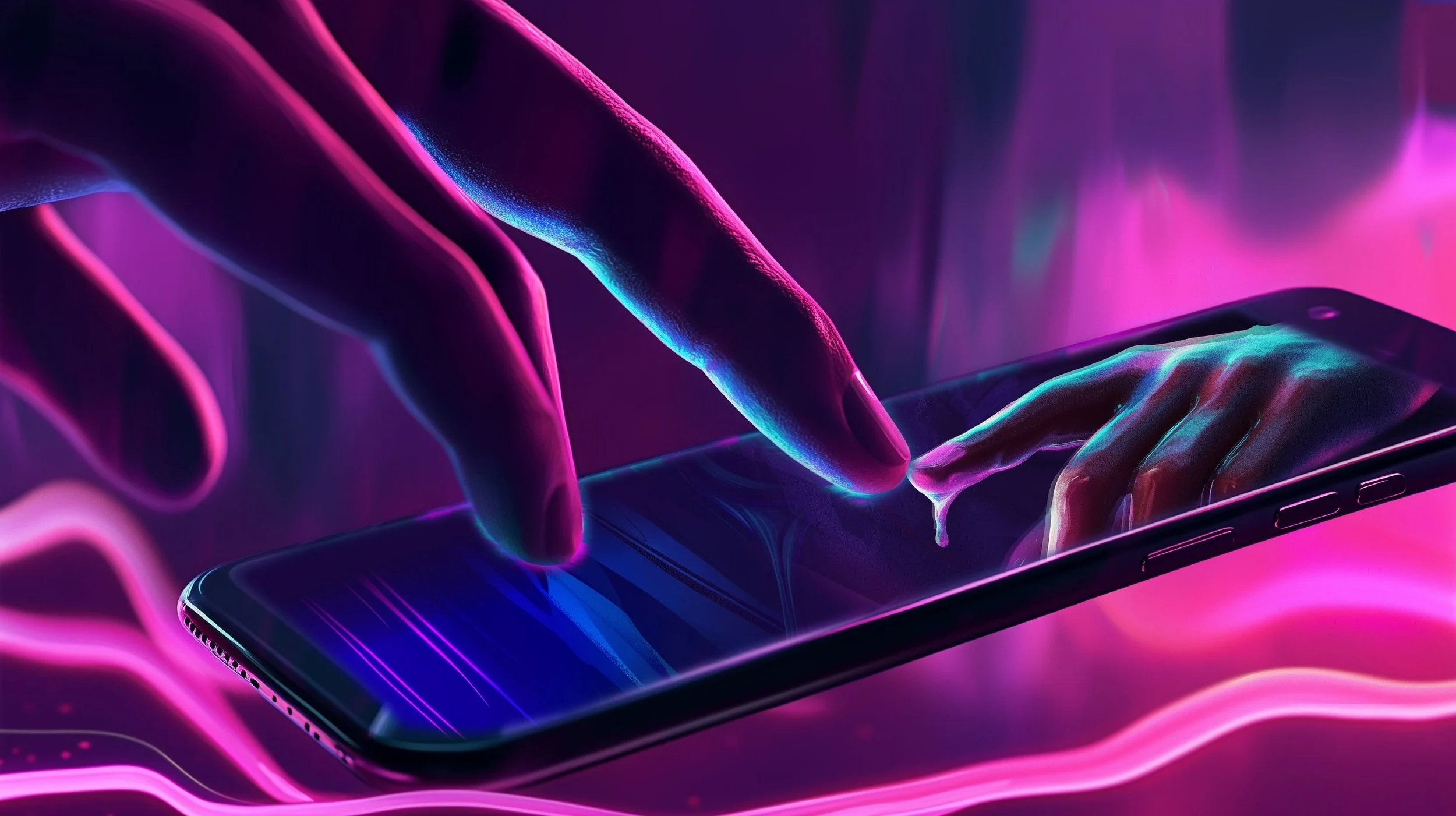
Can ASMR videos satisfy human needs?
ASMR videos hold up a mirror to our most human desires
When you read a book about evolution, or child development, or social psychology – books that talk to what it means to be human, what drives our behaviour, what we need to flourish and thrive – it’s hard not to be reminded of the many ASMR videos we’ve seen.
The primal appeal of tactile, messy mud, the comforting rhythm of a heartbeat, the squeeze of a hug, the crackle of a fire or rustling of loved ones close by. Shared food, whispered reassurances that you’re valued, that you’re safe, the intimacy of grooming and stroking, wiping a nose, drying a tear, sharing kisses.
But the difference is when you watch an ASMR video you’re holding a hard, cold mobile phone in your hands, you’re watching these actions on a flat, two-dimensional glass screen, performed by someone you’ve almost certainly never met, you’re listening to their exaggerated whispers through headphones, not feeling their warm breath on your ear.
However much ‘personal attention’ an ASMRtist pays ‘you’ as the viewer, whatever compliments they give you, however deeply they look into your eyes and however kindly they whisper in your ear, they can’t actually see or hear you, it’s not a two-way relationship. You can’t touch them, you can’t smell them, you can’t taste the food you’re watching them eat.
Does this matter? Does watching ASMR videos help satisfy deeply human desires for intimate and sensory experiences, or does it just press primitive psychological buttons without truly meeting the underlying need?

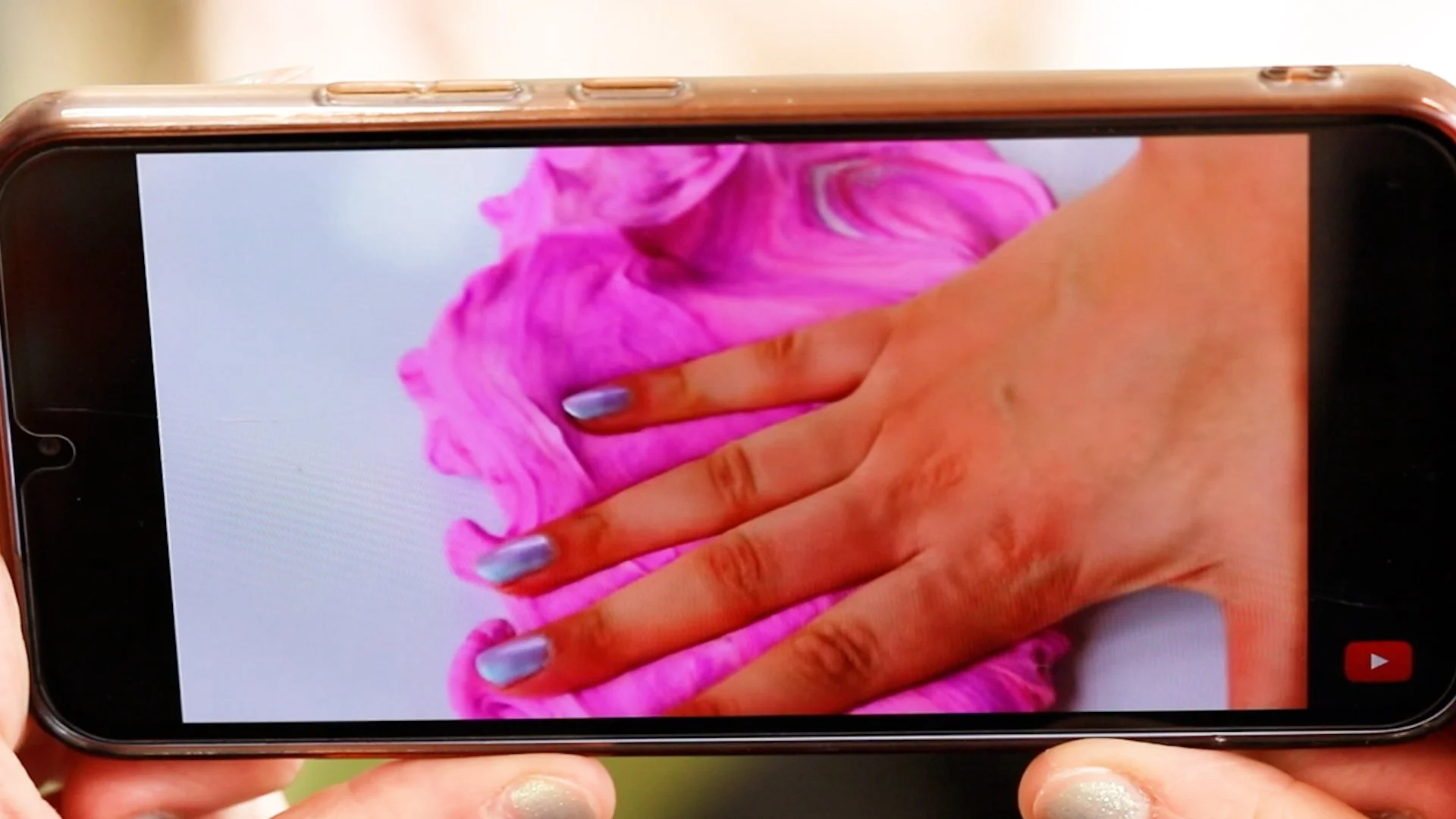
Screens are sterile
Technology offers us ever sharper, higher definition sound and video. With the screen up close and your noise-cancelling headphones blocking out all other sound, you can almost convince yourself you’re ‘in’ the video you’re watching. Add in a 360-degree virtual reality headset – technology that is improving all the time – and the effect could be incredibly immersive. Apple advertises its new Vision Pro headset as offering “a new dimension”.
But hardware is still hard. The technology around us remains dry, cold and sterile. It doesn’t breathe. It can reach us through just two of our five senses – sight and sound – neglecting (for now at least) touch, smell and taste. It can’t offer the warmth, wetness or tactility of an embodied experience with another human. Designers have tried to counteract this inherent limitation of the materials at hand – subtle haptic feedback when we type makes the phone feel just a little bit more alive in our hands. There are increasing efforts to ‘humanise’ our interactions through screens, even trying to maintain the feeling of someone meeting your eye, when in fact theirs is still behind a screen (see Apple Vision Pro video, right).
But it’s not the same.
You can see and chat to your mum through an app even if she’s on the other side of the world, but you cannot hug her. You can check your baby is asleep by looking at him on the monitor screen but you can’t smell his unique scent – or that his nappy needs changing.
You can watch a recipe video, but you can’t feel the texture of the dough through your fingertips, sensing when it’s ready to bake. You can watch porn, but it’s not the same as having sex with someone that you can touch, smell, kiss.
Screens can deliver experiences that are thrilling, entertaining, useful, or titillating. But they cannot give us the full spectrum of human embodied experience.
ASMR videos can send shivers down your spine, soothe you to sleep or lull you into a hypnotic relaxation, but the experience is not truly human. You can’t enjoy the warmth of real fingertips massaging your scalp or feel the breath that’s powering those whispered reassurances condensing on your neck.


ASMR videos appeal to tactile needs, without tactile outputs
The limitations of screen-based technology may explain some of the weirder trends in ASMR videos. Maybe there’s a need to ‘dial up’ the tactile, multi-sensory, intimate qualities of videos to compensate for the lack of actual tactile, multi-sensory or intimate experience. The disconcerting intensity of a stranger inches from your face repeatedly whispering how wonderful you are; the unnerving intimacy of spit painting; Mukbangs!
These are not experiences many of us would seek out in real life. They would be too much, too weird, too exposing. Like porn, people might watch things they wouldn’t necessarily want to ‘do’ themselves. This, combined with content creators’ and platforms’ financial incentives to do something different or dramatic to capture people’s attention, can create material that is designed to appeal to people’s innate desires, but does not truly satisfy them.
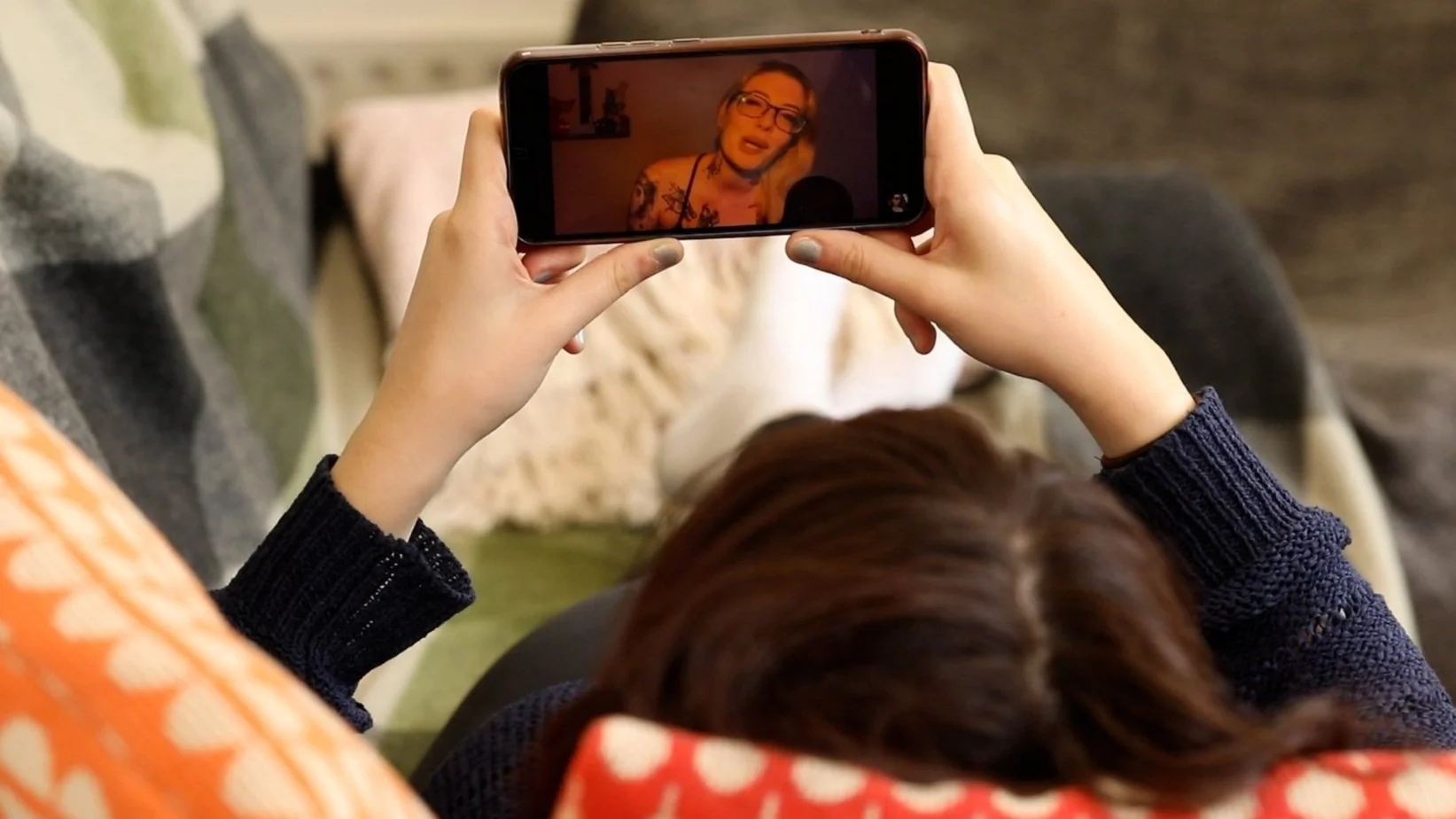
Humans are social mammals
Humans are inherently social creatures. We crave intimacy, connection, gossip, affirmation and solidarity. Social pain, for example when we are excluded or rejected, activates similar neural pathways in our brains as physical pain.
But we are also social primates. Mammals, with deep-rooted evolutionary needs for physical touch and affection. Our ancestors thrived through warm-blooded touch, social grooming, and strong family bonds.
Our relationships involve physical intimacy – from breastfeeding and cuddling babies to physical play and affection with friends and siblings, to hugs, kisses, and sex. The closer we are emotionally, the more we can tolerate each other’s bodies with their smells, sounds and messy biology. It’s why we might borrow a partner’s toothbrush but find the clammy warmth of a chair left behind by a stranger disconcerting, not be bothered by changing our own baby’s nappy, our wiping our own child’s nose, but disgusted if someone we don’t know sneezes next to us on the bus or doesn’t flush the toilet.
Human children learn to navigate the world successfully by interacting with it using all their senses. From babies’ universal tendency to explore things by putting them in their mouths, to children’s desire to bounce on their parents’ bed, they gain experience of the world by touching, listening, smelling; testing boundaries, experimenting. Like other social mammals, we play, and revel in making a mess or rolling in mud, taking physical risks and feeling the consequences. Don’t children need these embodied experiences to develop?
What happens if we retreat from the noisy, social, tactile, smelly and embodied experience of being in the physical world?
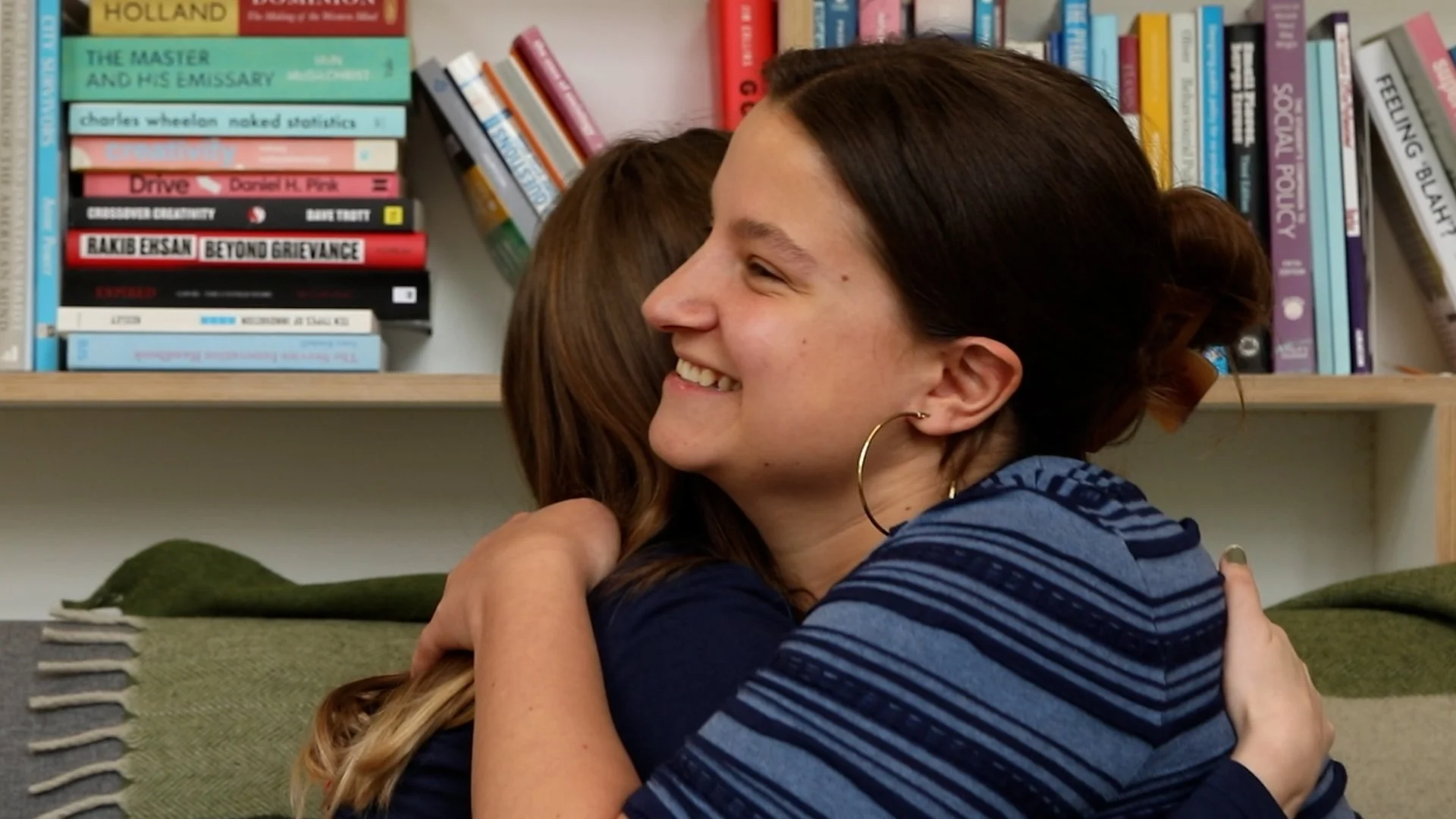


Fragility feedback loops
Resilience requires exposure
Exposure is fundamental to both physical and psychological development. The less we experience something, the less equipped we are to handle it.
If we grow up in a quiet environment, the delicate structures within our inner ears that perceive sound do not receive the necessary stimulation to develop optimally. This can lead to hypersensitivity when exposed to even moderate noise levels.
The same principle applies to social development. Early interactions with others are crucial for building the social skills and emotional resilience we need to navigate relationships as adults. Social mammals raised in isolation demonstrate distress and social withdrawal as adults. The same has sadly been found in studies with children who have experienced social isolation in early life.
Psychologically, resilience is built through facing and overcoming challenges. Exposure to stressors in a safe and supportive environment allows us to develop coping mechanisms and build confidence in our ability to handle new and challenging situations.
But humans don’t necessarily seek out these challenges. Given the choice, we will generally choose the familiar, comfortable path, not the one that makes us nervous or overwhelmed.
And yet, anyone who has seen a professional to overcome a phobia will know that a central if uncomfortable part of the treatment pathway will be incremental exposure to the thing you are trying your best to avoid. Exposure therapy, a cornerstone of cognitive-behavioural therapy (CBT), has consistently been shown to be one of the most effective treatments for phobias.
Avoidance creates fragility
The takeaway from this evidence is: the less time we spend in noisy, chaotic, social environments, the more those environments might feel overstimulating. And the more overwhelming they feel, the more we will probably try to avoid them, creating a reinforcing feedback loop.
The Covid pandemic accelerated the trend in people spending less time together and more time on screens. The proportion of adults working from home rose dramatically, and people of all ages still spend more time at home and less time face-to-face with other people than they did before 2020.
Forgetting the data, just look around the next time you're on a bus or a train; most people are plugged into their phones, headphones firmly in place. We're seeing and hearing less of each other, spending more time ‘alone’ even when we are physically surrounded by other people, sharing fewer common experiences, talking less to each other.
Given the evidence for a decline in face-to-face social interaction, it would be strange if this didn’t come with an associated reduction in our ability to tolerate those interactions comfortably. And the more uncomfortable we find those situations, the more likely we are to avoid them.
But this doesn’t necessarily mean we stop needing them. What will happen to us if we stop seeking them out?

Summary
Research shows that young people are spending less time out in the world, unsupervised and interacting physically with others and are becoming more anxious at the same time. There may be links between ASD, ADHD and ASMR however it is difficult to explain the widespread appeal of ASMR based solely on these conditions.
ASMR content often appears designed to satisfy our deep human need for intimacy, however the technology it’s viewed through is inherently dry and sterile, unlike people. It is possible that creators exaggerate intimacy cues to compensate for the limitations of the medium.
We are social animals so there may be consequences to trying to meet these needs using a medium that can never deliver on the multi-sensory experiences of real life.
If young people are spending less time out in the world, it is probably an inevitable consequence that they will find noisy, messy, highly sensory experiences more overwhelming, but their underlying needs for human contact and sensory stimulation aren’t going to disappear.
Read chapter 7:
Use it or lose it
What we conclude from studying the phenomenon of ASMR
Sign up to hear more
Get in touch
If you have any questions or would like to talk to us about this work, feel free to email: damon.deionno@revealingreality.co.uk to speak with the research team.
+44 (0)20 7735 8040
The Ballroom, Maritime House, Grafton Square, SW4 0JW
September 2024