The appeal of ASMR
Taking the edge off

“Like, in daily life, there's just a lot going on. There's a lot of noise going on…
Even at school, there's way too much going on. So, ASMR. It's kind of like it's a really good white noise.”
Orla, 24
There is something about ASMR content that seems to reflect a desire to tune out the world.
For this project, we interviewed 12 people who regularly watch ASMR. We recruited them through several routes but mostly through social media networks, putting out adverts for taking part in research for people who watch ASMR content. We selected people to ensure we had people who watched a variety of different types of ASMR video, as well as some regional and demographic spread where possible.
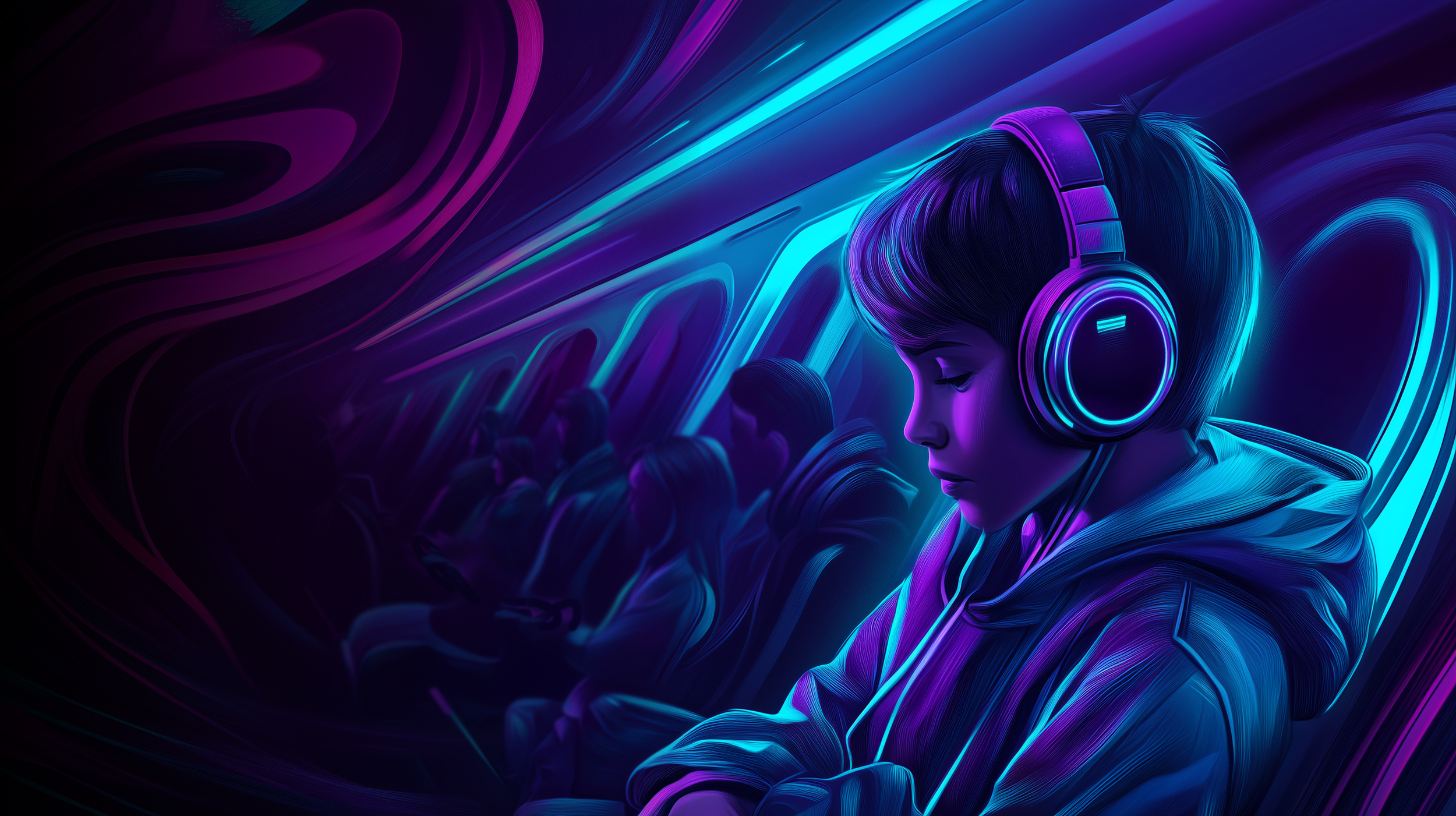
Several of the people we interviewed talked about a need to block out the sounds, sights, smells and stimulation of everyday life. ASMR is one of the ways they seek to do so. Whether at home or in public, people are using these videos to drown out background noise, avoid distractions, and escape the stress of social situations.
Most of the interviewees described ASMR as a way to get lost in a cozy, cocooning reverie, one that's engaging enough to hold their attention but mellow enough to allow them to drift off to sleep.
“I just want to escape from the real world for a bit”
Jasmine, 17
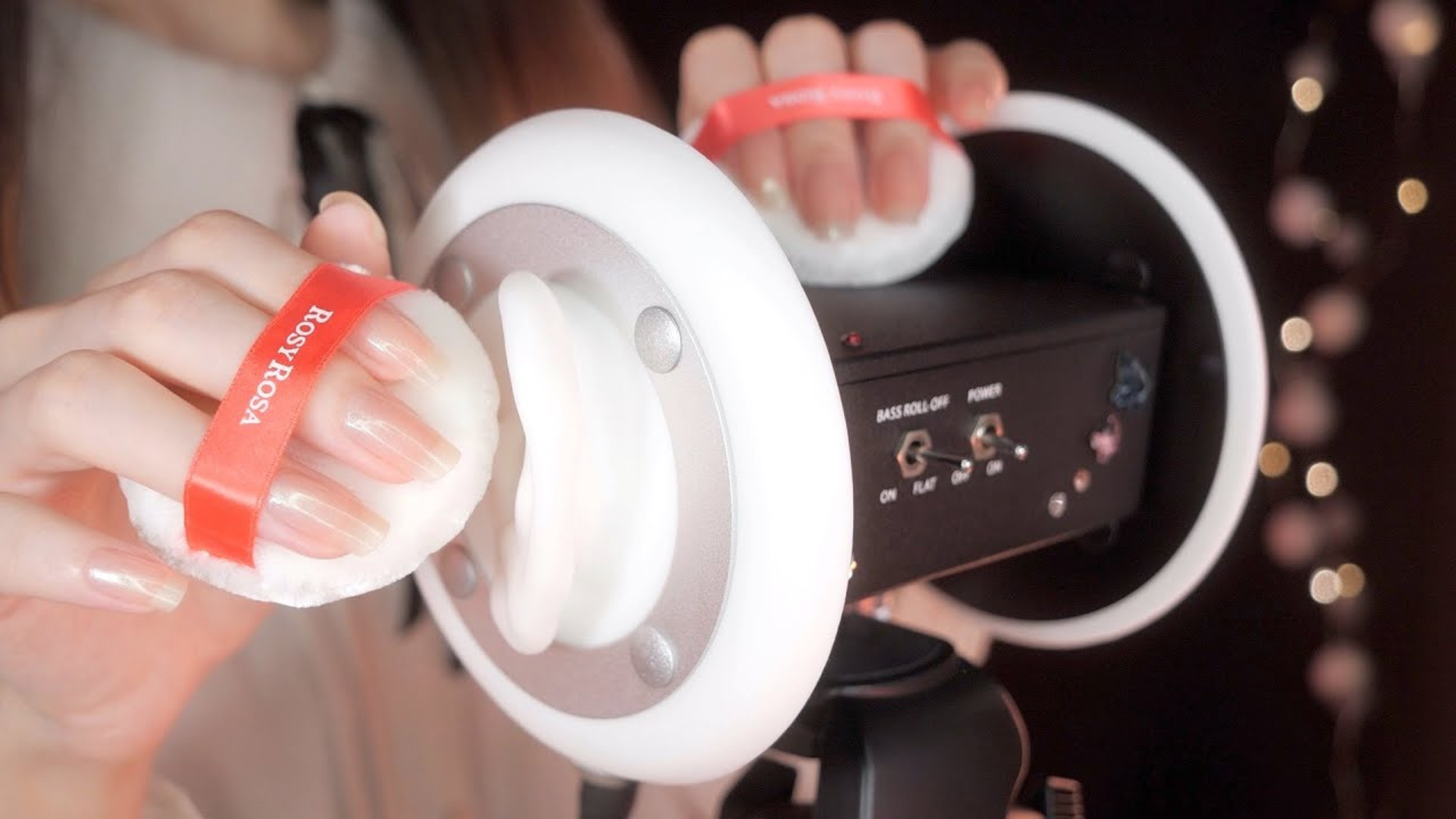
“So it would literally be, like, this black box, which would be the microphone, and then there'll be, like, plastic ears on each side. And let's say, like, this person's holding a brush, they'll literally just brush it over the ears.
“And when you're listening to it with the headphones, if it's brushing of the right ear, you'll feel it on the right ear. Like, you'll hear it at least. So it felt quite, like, personal. There's sort of, like, a personal connection between the viewer and the YouTuber”
Jasmine’s favourite ASMR videos are those in which she feels totally immersed, with her noise cancelling headphones on and the phone screen close to her face. It almost feels like what she’s watching and listening to is happening to her. These ‘binaural’ videos, which simulate three-dimensional audio, appeal to her for precisely that reason. When an ASMRtist taps, strokes, brushes, whispers into or even kisses one of the prosthetic ears attached to the microphone, it ‘feels’ as though it’s her ear.
“Honestly, I would say it's a form of escapism for me because sometimes just school and going out, public transport, I want something to feel a bit more relaxing, more calming. I just want to escape from the real world for a bit.”
Jasmine is 17, lives in London and is studying for her A-levels. We interviewed her in summer 2024 after putting out invitations on social media to take part in research to anyone who watches ASMR.
When Jasmine’s not revising or doing schoolwork, she likes to go to the local shopping centre with her friends. She runs an Instagram ‘fan account’ for her favourite band and likes to crochet to relax.
Jasmine first stumbled upon ASMR videos on YouTube when she was spending a lot more time online at home during the pandemic lockdown. Initially these were ASMR slime videos – close-ups of hands playing with and squishing slime – which she said made her feel nostalgic, reminding her of playing with slime herself as a young child. From there, Jasmine discovered other sensory, tactile ASMR videos that she found enjoyable and satisfying – videos of someone’s hands squishing foam, squeezing sponges, mixing wooden beads in a bowl of water. Lately she’s been watching tape being peeled off a surface – again with the immersive sense that it’s happening near her, or even on her.
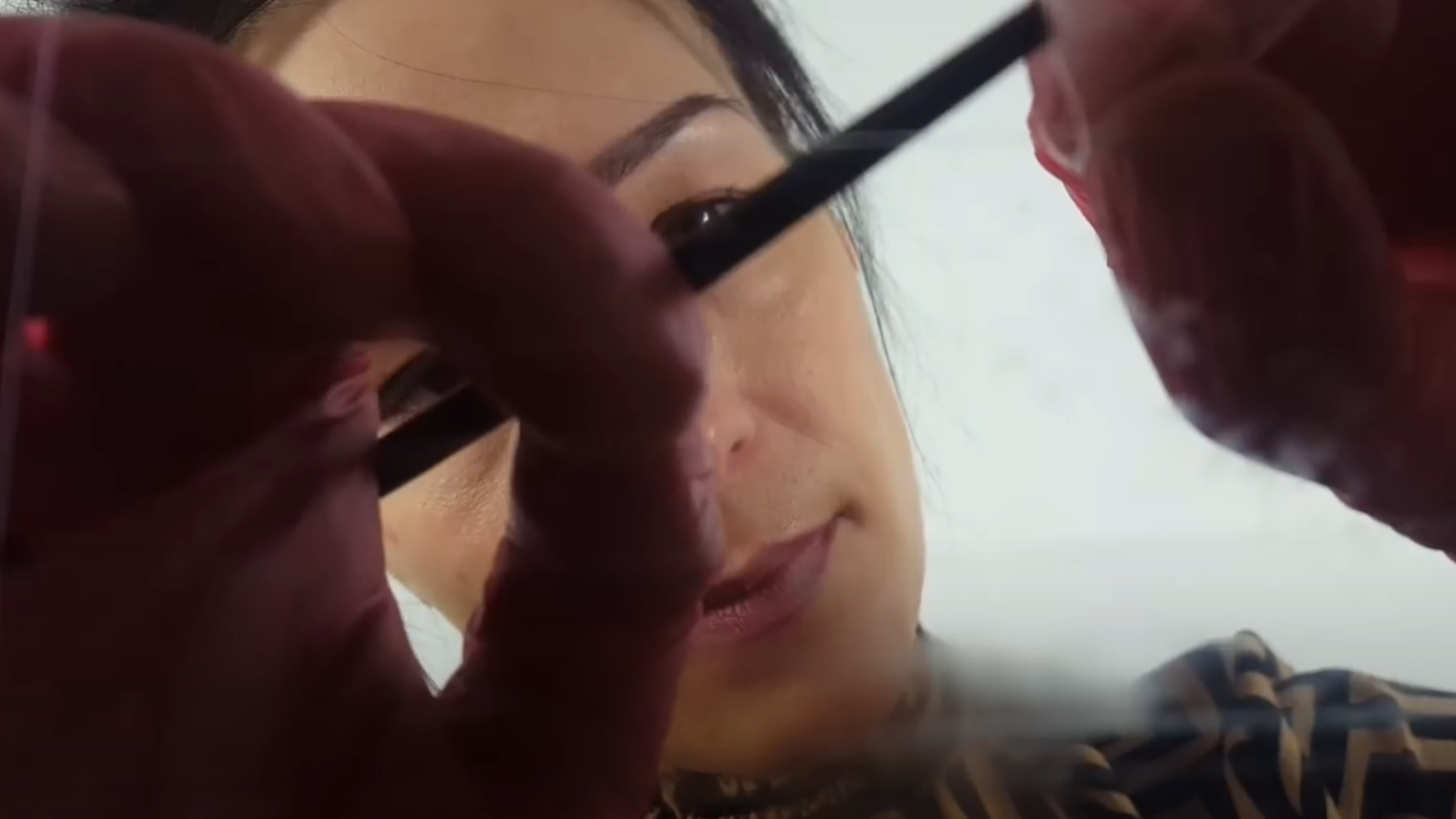
“The ‘tingles on your face’ video is when they have the clear screen. I'm pretty sure she just puts a camera underneath a clear table, like a glass table. She'll put stuff on the table and start playing with it, like she peels tape off of tables and the sound, because you're so close to it, it just sounds so much nicer. It makes you feel quite nice. It's very relaxing, very calming.”
“You genuinely just feel tingles and I don't really know what it is, but I sort of enjoy that feeling because something about it just makes me feel, like, calmer. Like, wow, I'm actually getting a response to this sound.”
In contrast, Jasmine finds a lot of the noises she encounters in everyday life “jarring”, and she wants to block them out, often feeling overwhelmed by what she experiences as the sensory overload in crowded places or when watching TV.
Just as she likes to watch ASMR videos at home, to relax or help her go to sleep – shutting out distraction and background noise without being overstimulating – she likes to use her headphones when she’s out and about.
“Like, in very crowded places I will literally put my headphones on, like on public transport. Every time my friends see me, I have my headphones on, they're pretty much glued to my head because I listen to music just walking around. Sometimes I'll listen to white noise as well, to stop the jarring noise of, I don't know, other people talking or something. I don't know, it feels somewhat comforting listening to things like that in places that I feel uncomfortable.”
Like listening to white noise and music while she’s out and about, watching ASMR videos at home or just before bed lets Jasmine shut out distraction and background noise, without being overstimulating.
ASMR Ear Massage that Melts Your Brain Like Never Before
Clip taken from 60 min video with 510k views on YouTube
ASMR * Sticky Tape Peeling *
Clip taken from 20 min video with 127k views on YouTube
Cancel culture
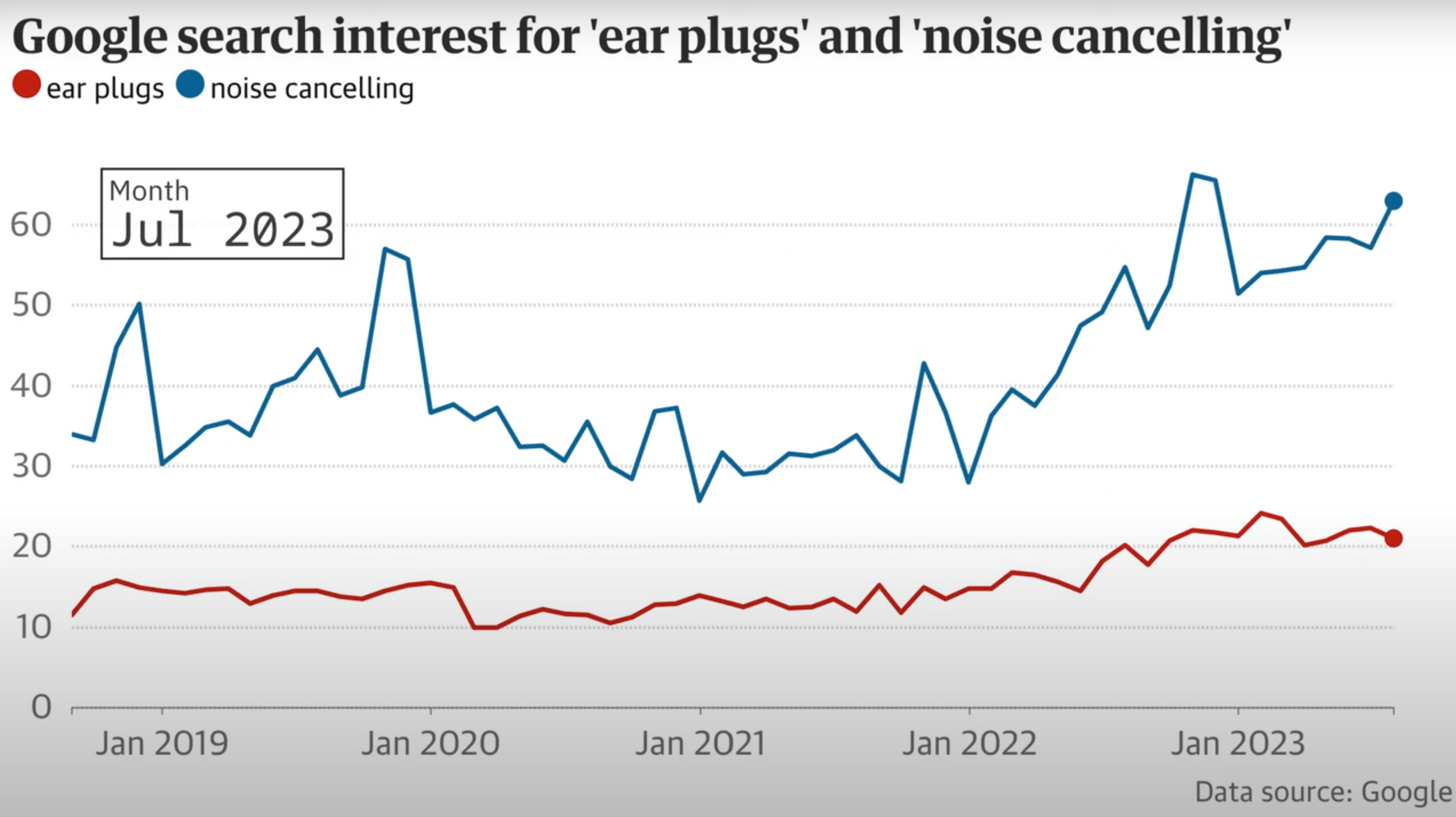
While the popularity of ASMR has risen, there has also been an increase services and products that reduce or ‘cancel’ noise.
This has coincided with increased awareness and diagnosis of neurodiversity, particularly conditions such as autism and ADHD, which are often associated with heightened sensory sensitivity. Many neurodiverse people and their families say ear defenders or noise cancelling technology are instrumental in enabling them to participate more fully in everyday life, navigating environments they would otherwise find intolerable.
Supermarkets have introduced quiet, low-lit shopping periods, airports now have sensory rooms, cinemas offer showings of lower volume films in lighter auditoriums. Often these are labelled ‘sensory friendly’ or specifically mention autistic customers, recognising their potential need for a quieter, calmer environment.
But use of noise-cancelling headphones and earplugs, for example, to ‘take the edge off’ real-world sensory experiences, or of devices and apps that play white noise or other ‘soothing’ sounds like those of a rainy car ride or the tinkling of a mountain stream, goes far beyond those with diagnosed neurodiversity .
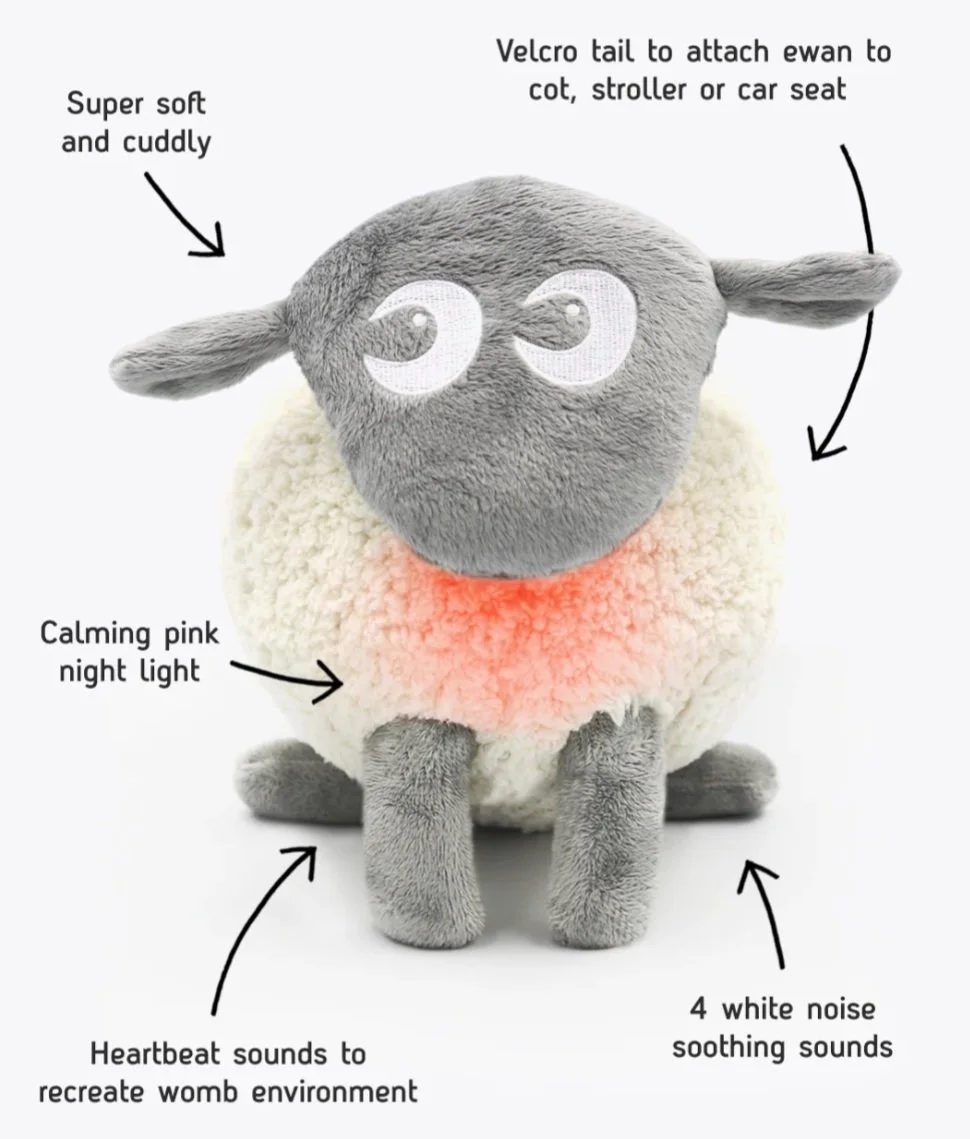
Marketing of many of these products is targeted. Ewan the Dream Sheep is a staple in many households with babies: a cuddly soft toy sheep that “mimics the comfort of the womb with a selection of ‘pink and white noise’ soothing sounds, including actual recordings of womb and heartbeat, combined with a warm pink calming glow, to lull your newborn or toddler into a peaceful slumber”.
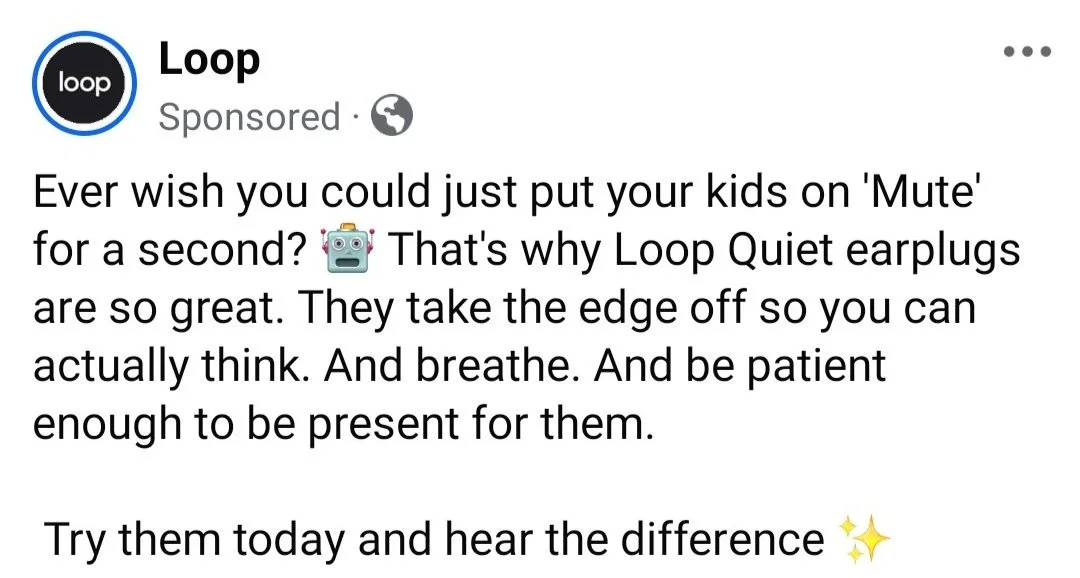
‘Sleep sounds’ are now present as standard on kids’ apps and devices such as Yoto players alongside guided meditation and even ‘binaural beats’ to help them get to sleep. Meanwhile their parents are advertised Loop earplugs with a social media post that begins, “Ever wish you could just put your kids on ‘Mute’ for a second?” and proceeds to suggest their earplugs will help parents “be patient enough to be present”.
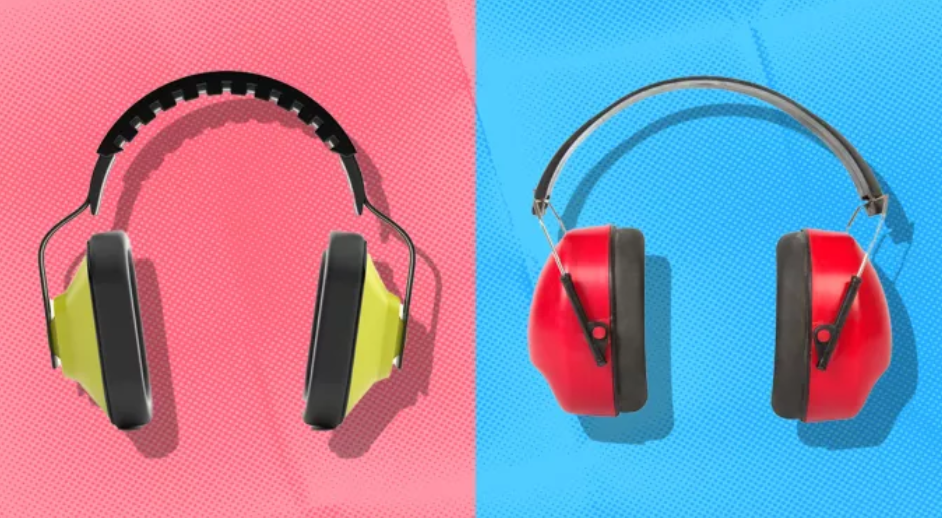
Teachers have also reported a marked rise in the rates of children using ear defenders in school to cope with the noisy environment. While these are considered part of an essential toolkit for supporting children with noise sensitivity due to conditions such as autism, some teachers and healthcare practitioners have warned that if they are overused they could become “a tool by which children can live apart from their environment in a sound ‘bubble’”.
Discussing this trend, audiologist Dr Ruth Reisman says the ideal is to be habituating young people to environments that can be challenging in terms of sound. But she cautions that their central nervous systems are still plastic as they are evolving and developing” and so by relying on ear defenders, there is a danger that we are not “teaching the brain to process things in a normal manner, but training it to run away from sounds”.
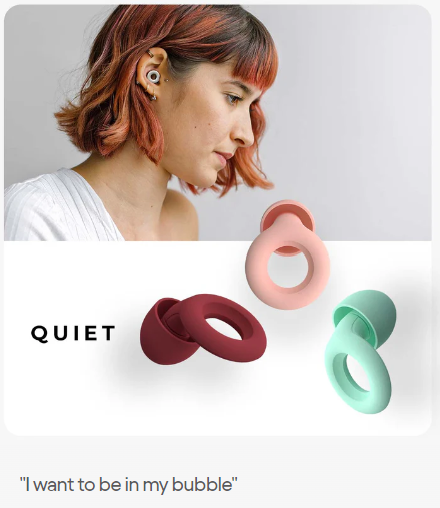
Meanwhile, on its website, Loop earplugs lists, “I want to be in my bubble” as one of three options for how its potential customers want to hear the world and has a model, Loop Engage kids, designed for children as young as six to “filter distracting background noise to help with focus at school, home and beyond” and “help manage stress and overstimulation, so kids can enjoy being kids”.
There’s undoubtedly been an acceleration in the development of noise-cancelling technology, but also an associated rise in noise-cancelling norms. Across the board, it’s clear that the widespread normalisation of headphone-wearing in public means that many more of us, much more of the time, are screening out the sounds of other people and the wider world.
Quoting Allied Market Research Data, an article in the Guardian last year said the noise-cancelling headphones market generated $13.1bn in 2021 and was expected to more than triple to $45.4bn by 2031. “Everywhere you look, it seems, people are resorting to accessories to turn down the volume of life: over-ear headphones on public transport, long-haul flights and in open-plan offices; coloured earplugs nestled discreetly in the concha of concertgoers, bartenders and, if you’re a snorer, perhaps the person you share a bed with.”
More recently, audiologists have raised concerns about the impact on auditory processing for people who overuse noise cancelling headphones. They cite a rise in cases where young people’s hearing appears normal, but their ability to process and differentiate sounds is suffering. A spokesperson for the British Academy of Audiology suggests that the brain can “forget” how to filter out background sound in the environment, leaving people overwhelmed: “You have almost created this false environment by wearing those headphones of only listening to what you want to listen to. You are not having to work at it”.
“I’ll use headphones usually on public transport or, like, anywhere that's kind of loud.
Usually if I'm at home and, for example, if my housemates are home, I'll use them so I don't have to hear whatever they're doing downstairs.”
Amelia, 20
“A lot of the time I have nothing in particular playing… the real reason the headphones are on are there's noise that I want to be cancelling out.”
Anne, 32
Summary
Many people seem to be using ASMR content to ‘take the edge off’ – to block out the sounds, sights, smells and stimulation of everyday life.
Over the period that ASMR content has dramatically increased in popularity there has also been a huge increase in products and services that reduce or ‘cancel’ noise, particularly noise-cancelling headphones, which are now big business, and marketed at adults, children, parents, people with neurodiverse conditions, and more.
‘Sleep sounds’ are also now present as standard on children’s many apps and devices.
Teachers have reported a marked increase in children using ear defenders in school
Read chapter 5 part 2 of ‘The appeal of ASMR’
Exploring why hair, grooming and touch appear so often in ASMR videos
Sign up to hear more
Get in touch
If you have any questions or would like to talk to us about this work, feel free to email: damon.deionno@revealingreality.co.uk to speak with the research team.
+44 (0)20 7735 8040
The Ballroom, Maritime House, Grafton Square, SW4 0JW
September 2024