The appeal of ASMR
Hair, grooming and touch

“So I never really picked up on the ASMR trend.
“But there was a time, I think I was sick, and I'm a bit of a baby when I'm sick. And my mum, when I was growing up, she used to scratch my head to put me to sleep. I used to call her, I think it first started, I used to be paranoid that flies would get caught on my hair. So I used to ask her to look for flies and then that transformed into her just basically giving me head massage every night.
“So I think I was sick and mum was at work and I was like, I wonder if I put headphones on and like, watch a head scratching video if it'll work.
“And it did! So I think because, ever since I was younger, I used to fall asleep to getting my head scratched. So that noise kind of, I guess, subconsciously makes me feel sleepy.
“Then if I'm listening to it to get the feeling or the experience of getting my head scratched, then I'll feel the tingles, like, on my scalp, and I'll feel like, almost like I'm getting my head scratched, too.”
Orla, 24
ASMR Intense Scalp SCRATCHING and NITPICKING with Nails (Real Person), clip taken from a 15 min video with 83k views on YouTube
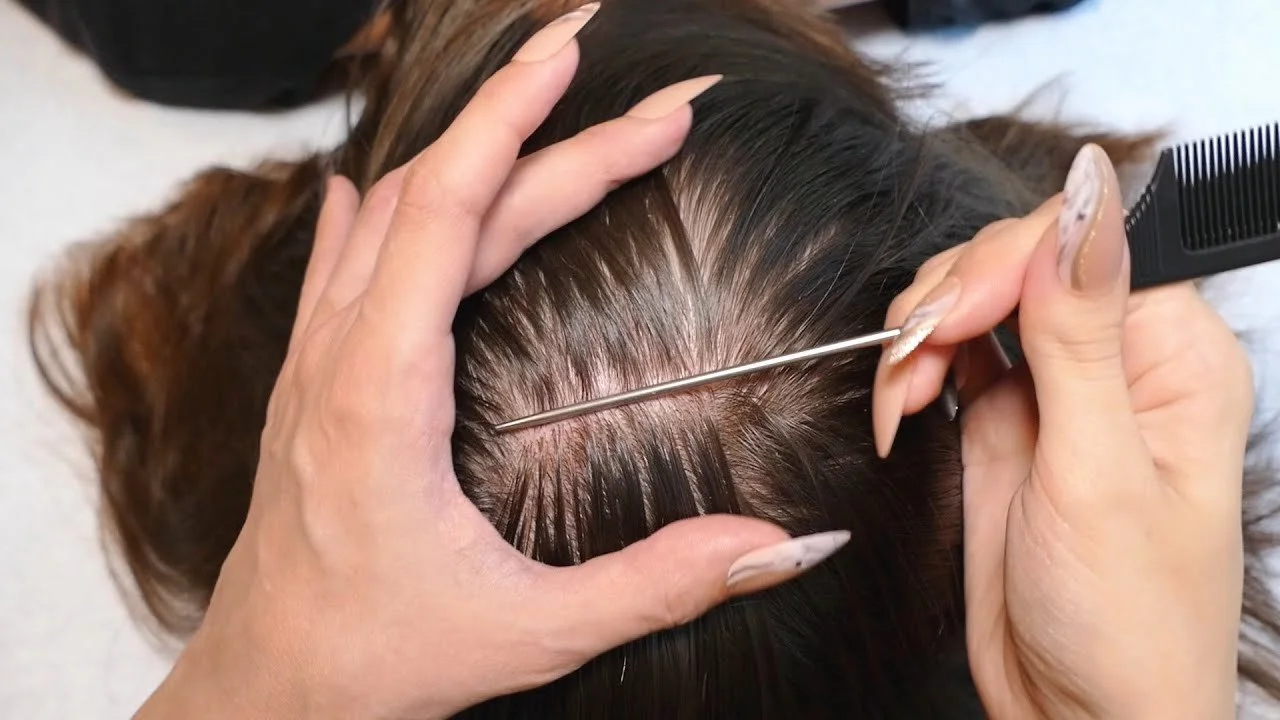
ASMR videos that involve hair are some of the most common, and most popular, on platforms like YouTube. Common activities are hair brushing, styling, cutting and scalp massaging or scratching.
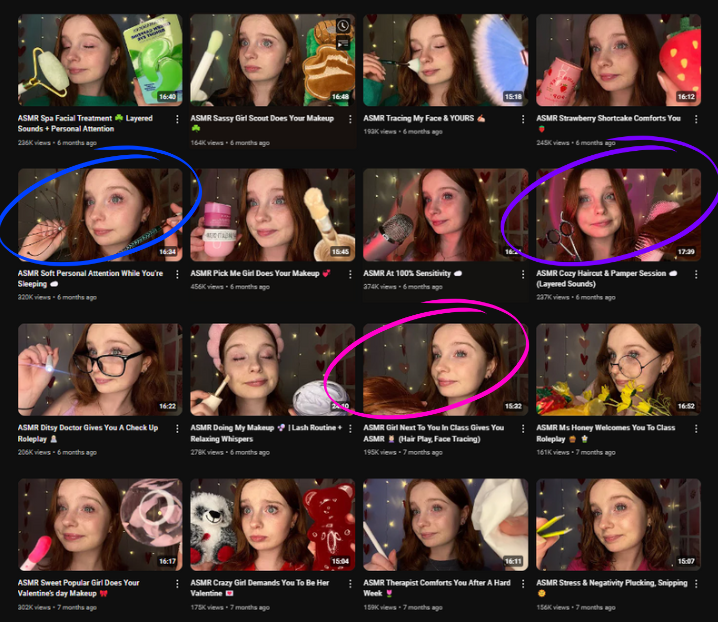
Many of these are role-play videos, which often explicitly reference childhood ‘nostalgic’ experiences: “girl sitting behind you in class braids your hair” or “school lice check: detailed scalp exam”.
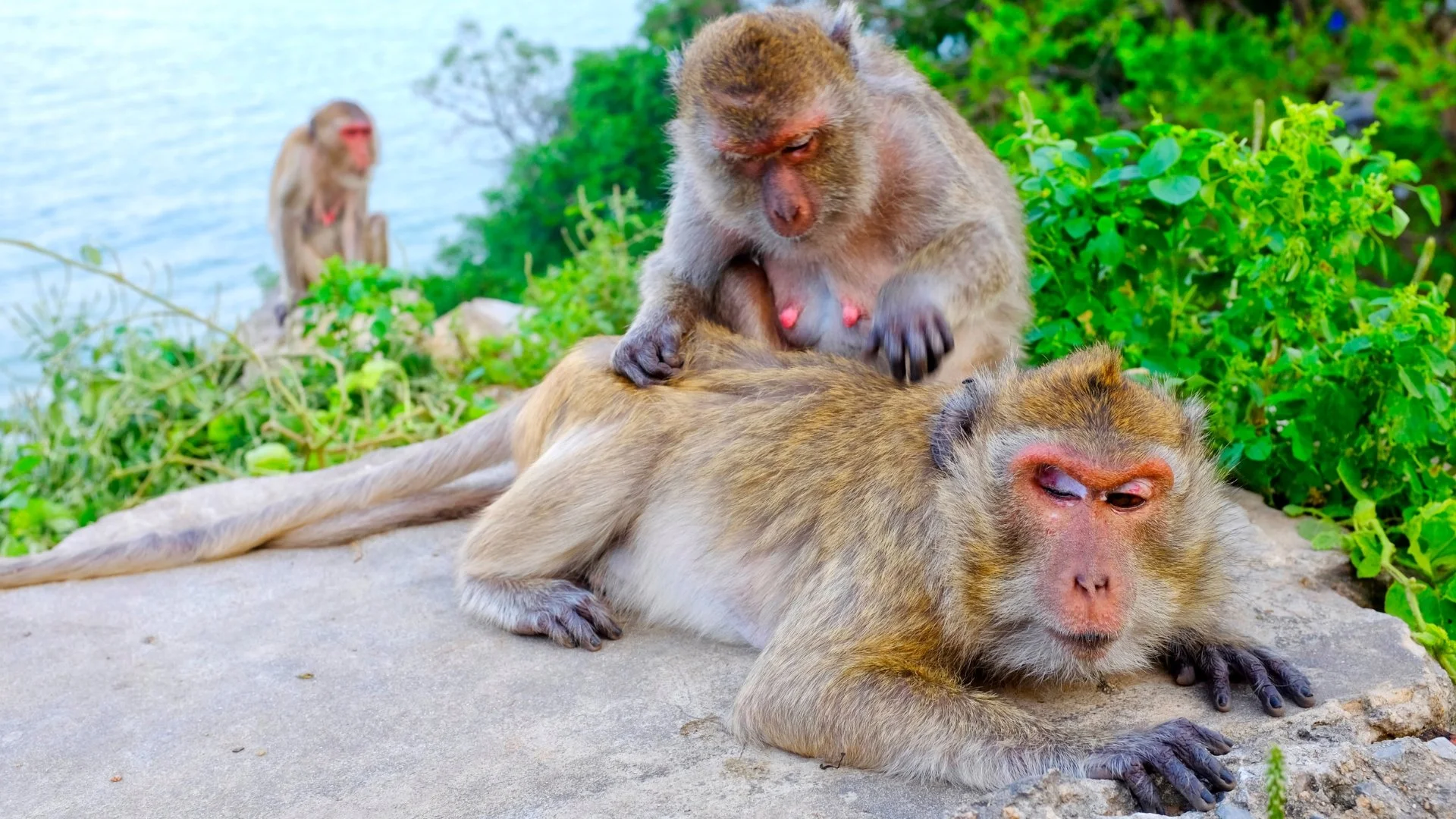
Having one's hair touched or played with in person promotes the release of endorphins and oxytocin, which contribute to feelings of pleasure and well-being. For primates (including us), mutual hair grooming serves as a social bonding activity, fostering trust, reducing stress, and strengthening relationships.
Several of the people we interviewed who said they watched ASMR videos focusing on hair said one of the reasons they enjoyed them was because they felt ‘nostalgic’, bringing back memories of ‘real life’ experiences they’d had with other people playing with their hair when they were younger, which they’d found comforting or which had brought closeness.
For example, we interviewed Ellie, a 20-year-old student, who told us how much she enjoyed watching videos in which the content creator was role-playing stroking or playing with her hair.
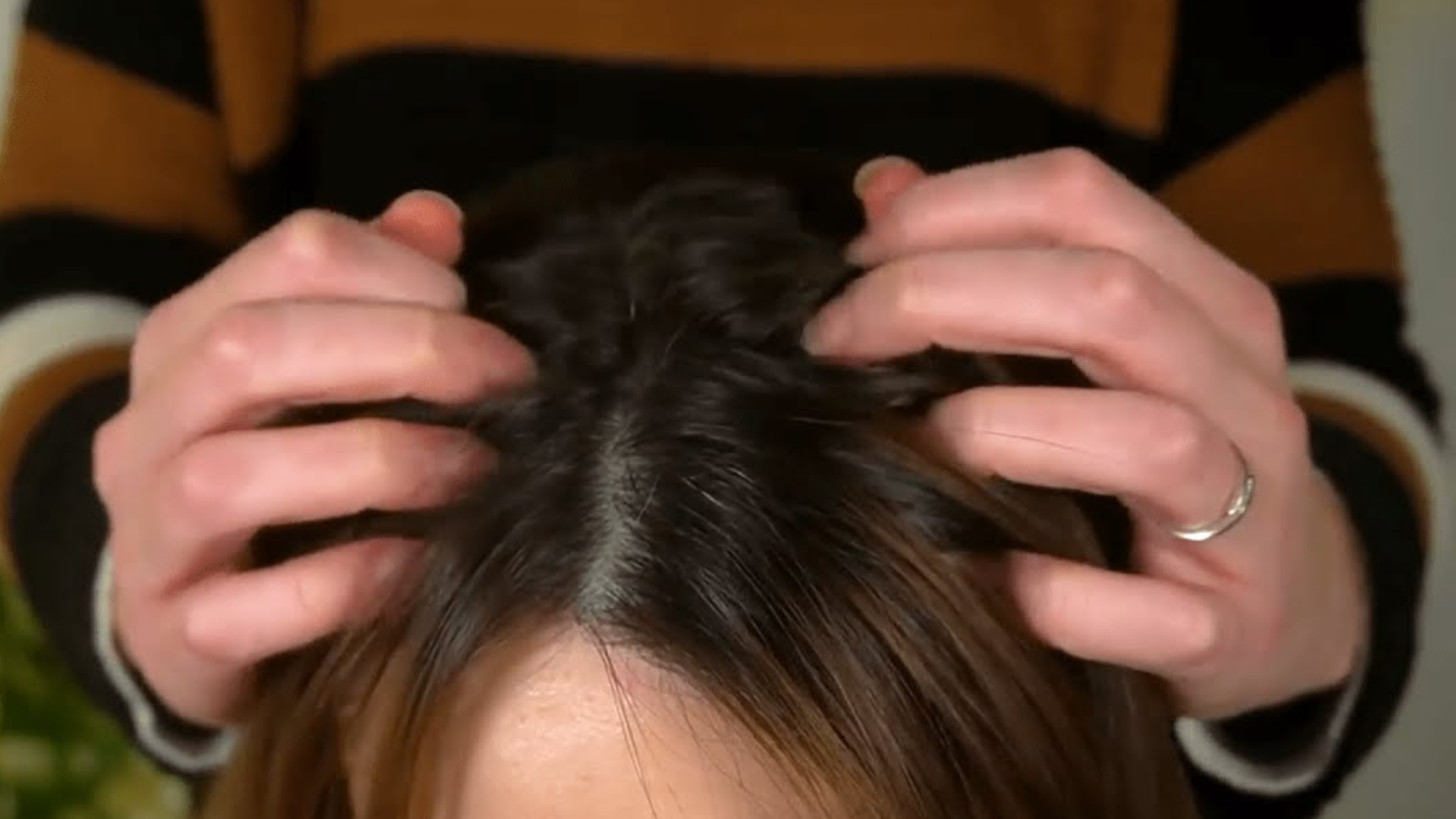
Asmr scalp scratching for better sleep
Clip taken from a 3 hour video with 2.3 million views on YouTube
“When I watch an ASMR video it can really consume me in a way that I find calming”
Ellie, 20
“I have quite long hair and I always have, even as a kid. And there's something about having long hair that people flock to, just to, like, play with your hair, especially when you're, like, an eight-year-old girl and all of your friends are just like, ‘Oh, I want to play with your hair!’ It was this really relaxing, like, tingling-inducing feeling that just made me really sleepy. And I really liked that kind of feeling.
“So when I discovered those types of videos on the internet, I thought, ‘This is so cool!’ This is like a video form of that sensation that I found really relaxing growing up. This is like a goldmine that I’ve found.”
Ellie is 20 and a medical student at Oxford University. She’s been watching ASMR videos since she was 13. She says she prefers ‘lo-fi’ videos, made using a cheap microphone and low-quality camera in someone’s home, rather than high budget, studio-produced content. She loves videos with a slow, relaxed pace, gentle unintelligible voices and tapping or rustling noises. She describes videos that induce calmness and nostalgia – hands playing with or stroking someone’s hair – as comforting, safe and “homely”.
“I think it's [ASMR] probably more of a female audience […] I wonder how much of it's biological in terms of… I don't know how stereotypical this is of me, but females maybe having more affinity to softness and gentleness and that sort of thing.”
Ellie has a diagnosis of ADHD, and she thinks this may heighten her enjoyment of ASMR because she finds the immersive distraction and gentle stimulation a particularly helpful way to relax.
“I find it really hard to focus usually, and when I watch an ASMR video it can really consume me in a way that I find calming. Because my mind isn’t going all over the place like it usually is. So for me, yeah, it's always been that relaxing kind of energy that it brings me. That's what I'm drawn to it for.”
“It's hard to put into words, it’s just viscerally calming. Like, I feel like my heart rate goes down. It's just a very, like, calm pre-sleep state kind of thing. It's very hard to describe.”
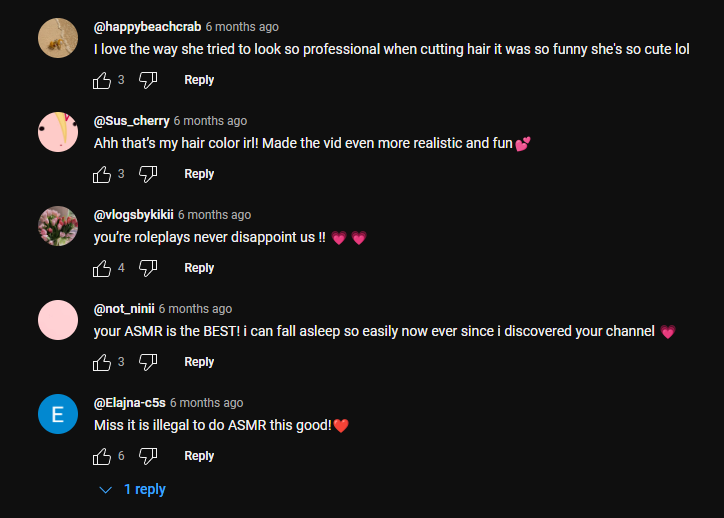
Scalp stimulation triggers the release of endorphins, and some evidence shows the experience of grooming other people’s hair is linked to the release of oxytocin - the ‘bonding’ hormone. Studies involving animals and humans have shown that various other forms of touch, such as hugging, stroking, and massage, can also lead to increased oxytocin levels.
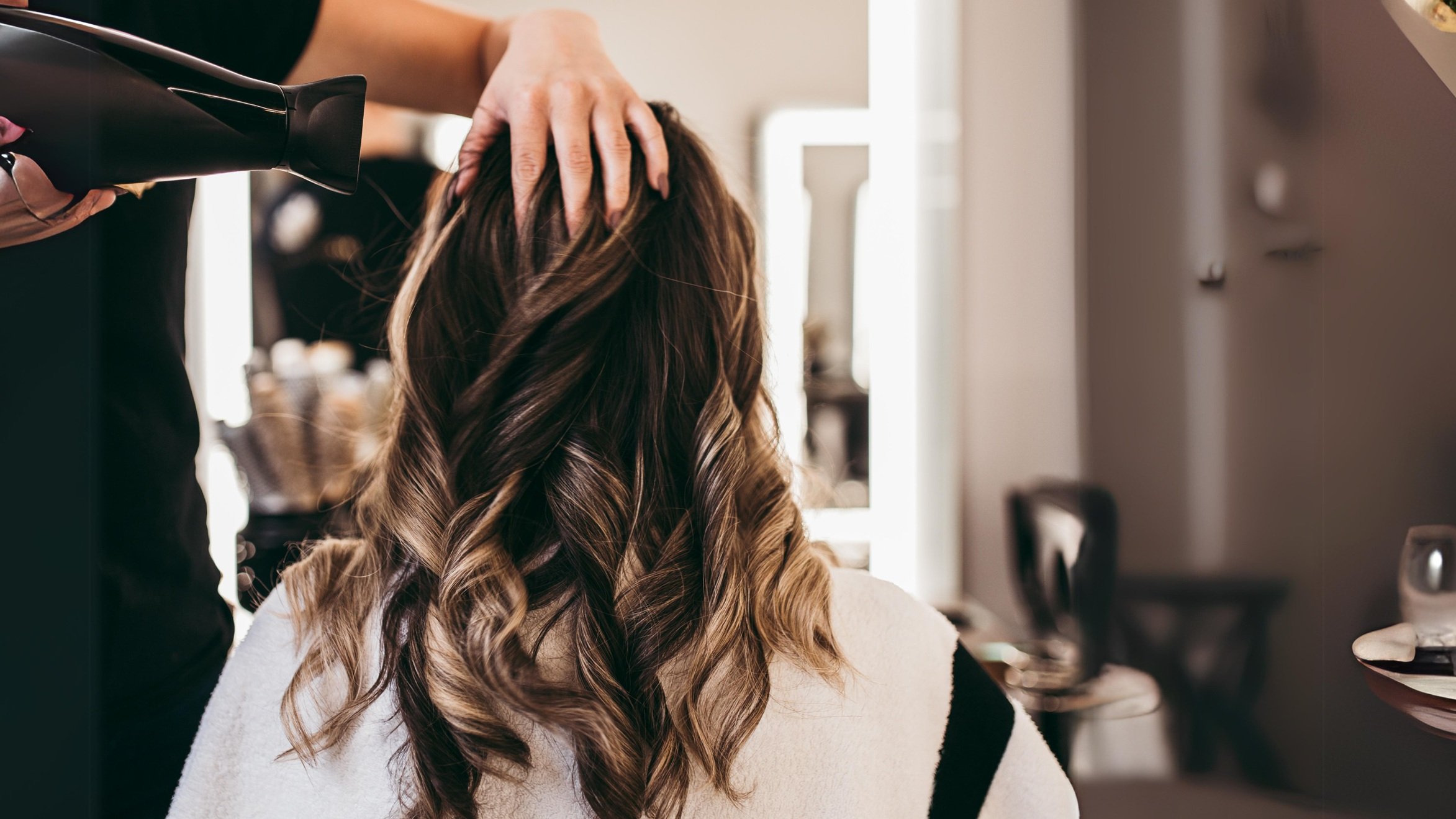
Anthropological studies have revealed that hair grooming and touching behaviors are observed in virtually all human societies, and extend to nearly all social primates. Children play with each other’s hair, parents groom their children’s hair, romantic partners run fingers through each other’s hair, and people pay to have a hairdresser give them a head massage at a salon.
The popularity of hair play and grooming ASMR videos seems to relate to the deep-seated appeal of having someone touch and groom your hair. The comments beneath these videos describing them as tranquil, calming, relaxing and sleep inducing.
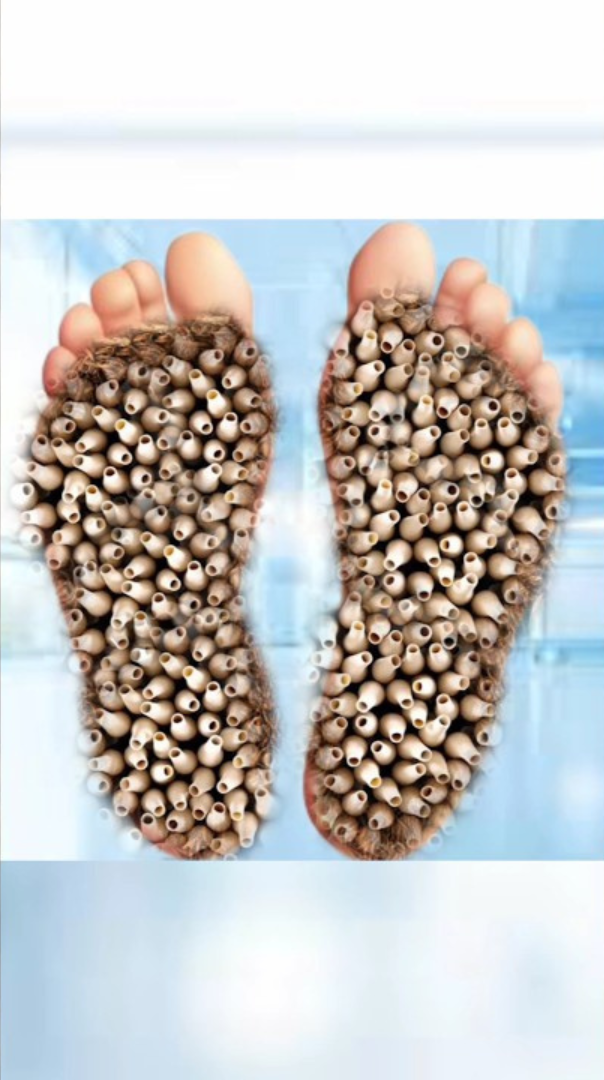
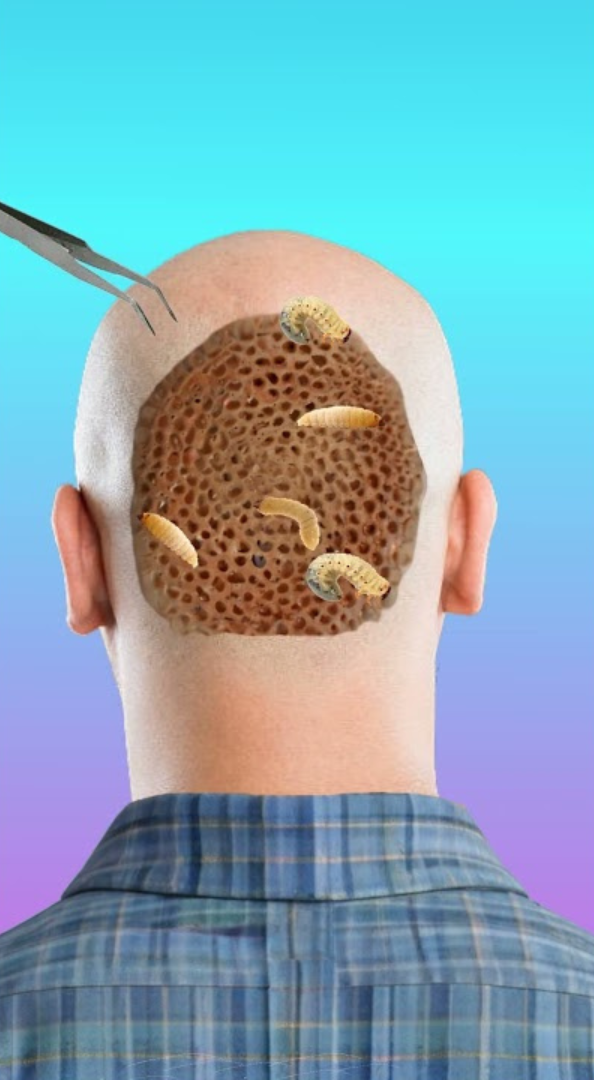
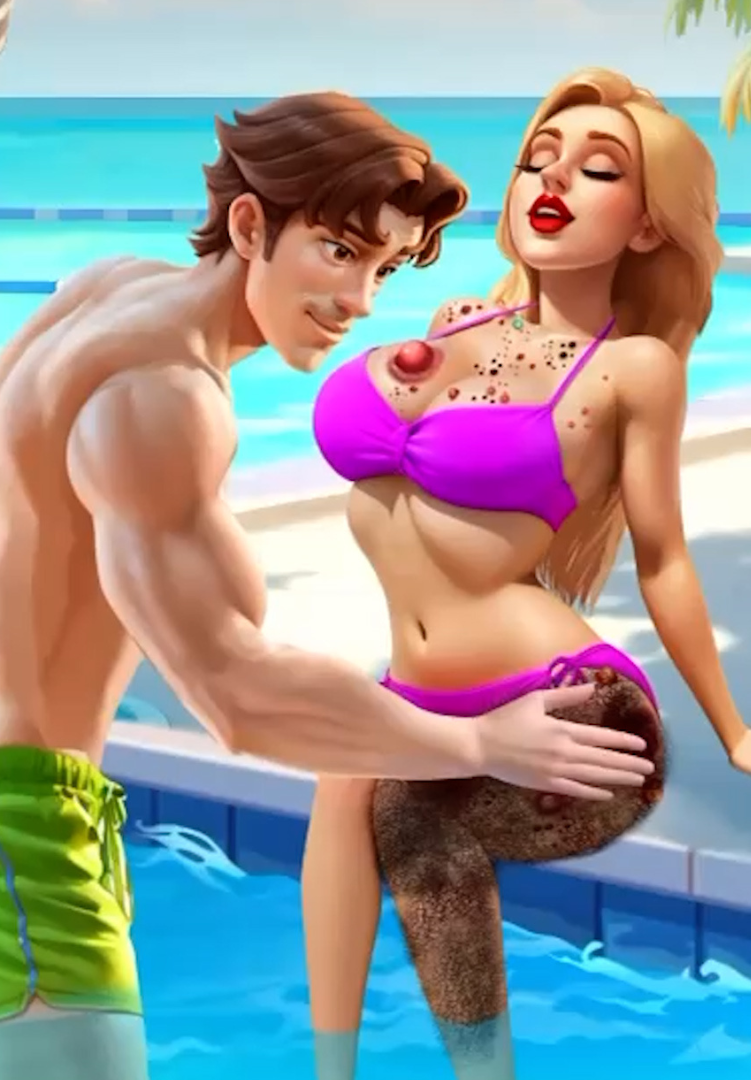
When scanning through hundreds of ASMR videos, the vast majority are filmed in real life, involving real people or props. But occasionally, an animated video crops up. These are usually very crudely made, with repetitive, amateur animated movements.
The subject of these videos is often strange and unnerving representations of the removal of different abstract textures, patterns or blemishes from people’s skin. Sometimes they more clearly portray the removal of spots, dirt, infections or parasites from illustrated human bodies.
This genre also appears in so called ASMR ‘games’ available on app stores, where the player’s ‘reward’ for passing a level of a simple colour matching game is the chance to tap the screen to shave off some obscure bodily blemish.
The ‘ick’ factor in these visuals is reminiscent of the popularity of ‘pimple popping’ videos. Some people appear to take satisfaction from watching pus or parasites being removed from human bodies.
These forms of ASMR are more niche, and none of the participants we interviewed reported enjoying them. However their prevalence and popularity online does point towards an inherent appeal they must hold for at least some people. Again, it is not hard to imagine a deep-seated evolutionary impetus for taking satisfaction in the grooming and removal of parasites, the lancing of infections, or the soothing of skin blemishes.

Summary
ASMR videos that involve hair grooming are very popular - videos showing haircuts, head massages, hair styling, brushing or scalp scratching
These videos are described as “viscerally calming”, with many people seeming to vicariously enjoy the idea of having their own hair played with
Hair grooming is near universal among humans and other social primates, and the appeal of this kind of ASMR may relate to this deep-seated human bonding strategy
Some ASMR animations involve graphic representation of parasite or blemish removal from bodies. While gross, maybe these also tap into an evolutionarily driven fascination and satisfaction for grooming?
Read chapter 5 part 3 of ‘The appeal of ASMR’
Exploring why intense personal attention is such a common feature in ASMR videos
Sign up to hear more
Get in touch
If you have any questions or would like to talk to us about this work, feel free to email: damon.deionno@revealingreality.co.uk to speak with the research team.
+44 (0)20 7735 8040
The Ballroom, Maritime House, Grafton Square, SW4 0JW
September 2024