From whispers to wetness
Analysing ASMR content

What is ASMR?
The acronym ASMR, or autonomous sensory meridian response, was first coined in 2010 to describe a sensory phenomenon triggered by specific audio and visual stimuli.
The term technically refers to a specific physical feeling, a tingling sensation that starts on the scalp and spreads down the neck and spine, accompanied by feelings of relaxation, calmness, and even euphoria.
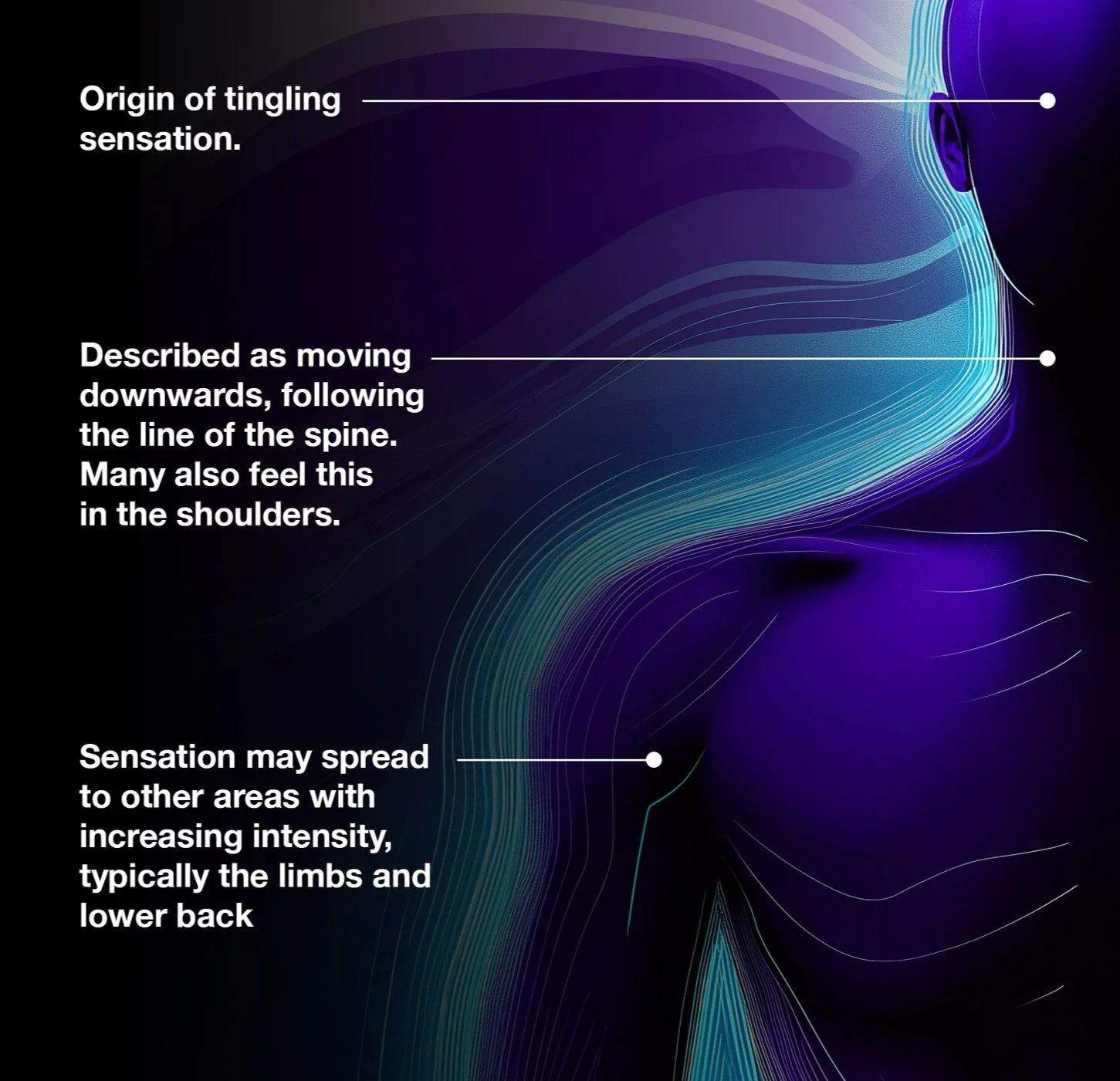
Not everyone watches ASMR videos to feel ‘tingles’
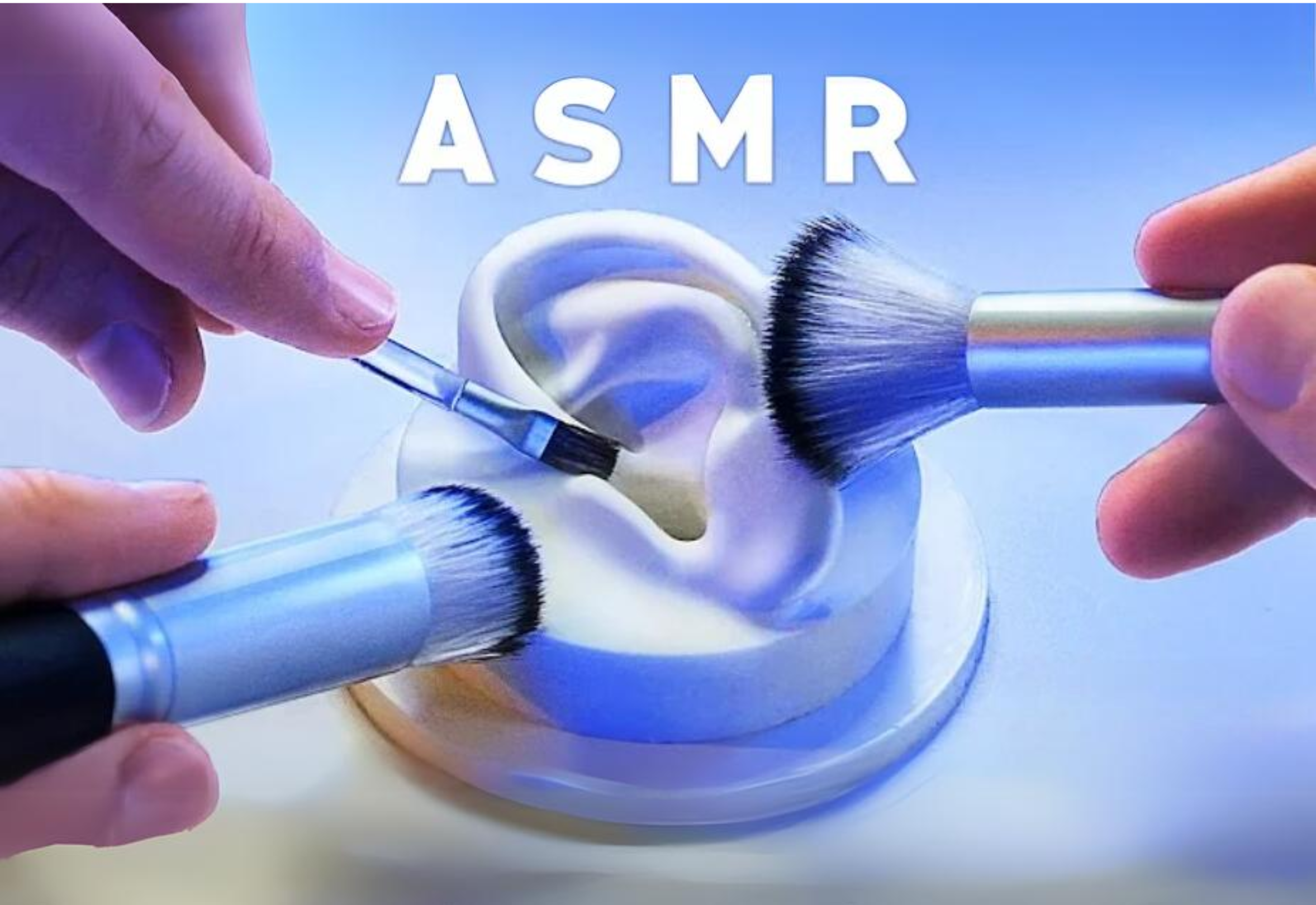
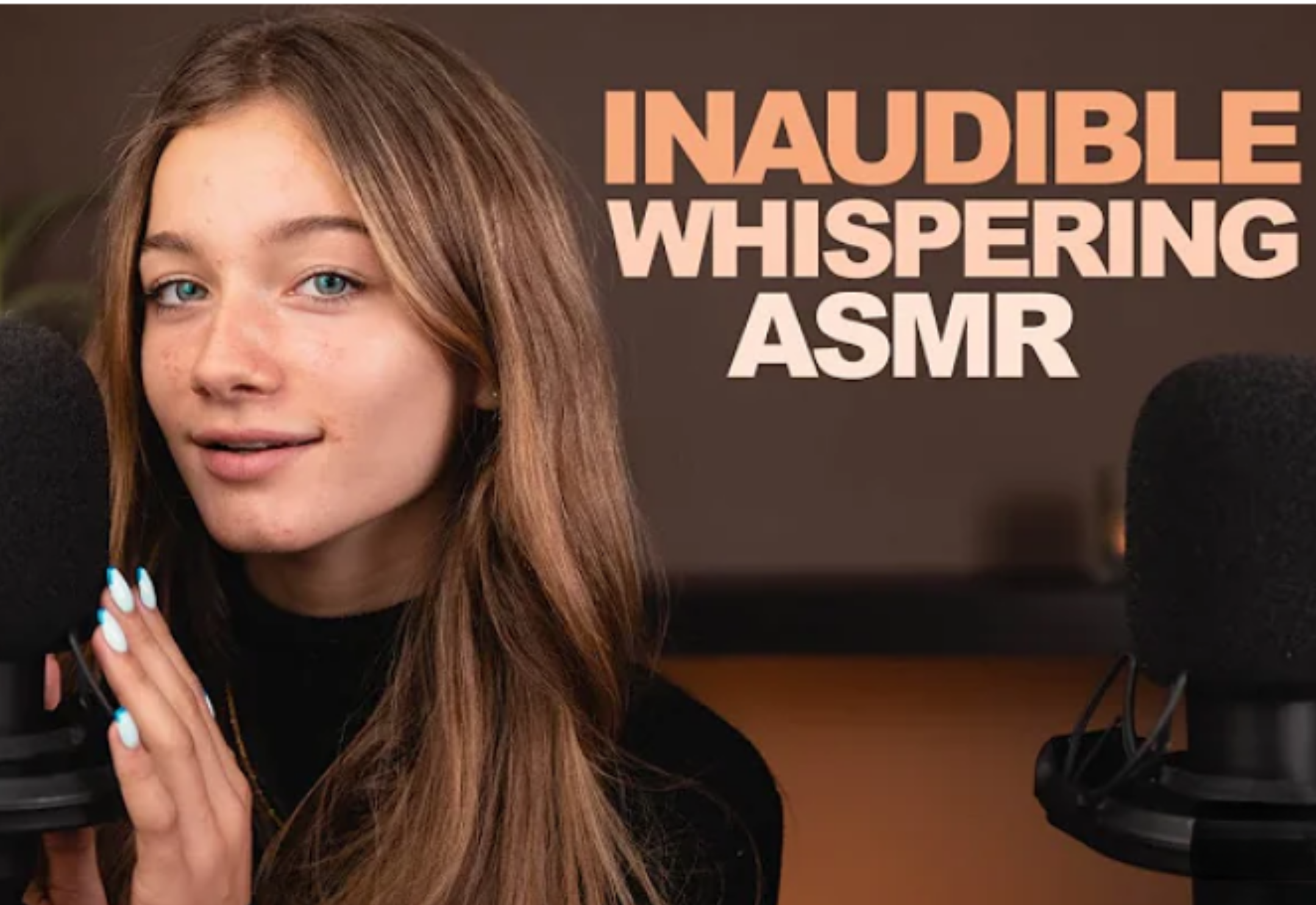
It’s estimated around 20% of the population feel ASMR ‘tingles’ in response to various stimuli. Many people say they experience ASMR when they see and hear someone type on a keyboard or play with the bristles of a hairbrush or hear someone mumbling or whispering.
More recently the use of the term ASMR has expanded to refer to a whole genre of content and other stimuli that may or may not trigger the physical response. Not everyone who is watching ASMR videos feels these ‘tingles’ and yet they still find something about them compelling or satisfying to watch.
Even for people who don’t like them, their visceral qualities still tend to provoke a physical response, often of disgust, a shiver, or ‘ick’.
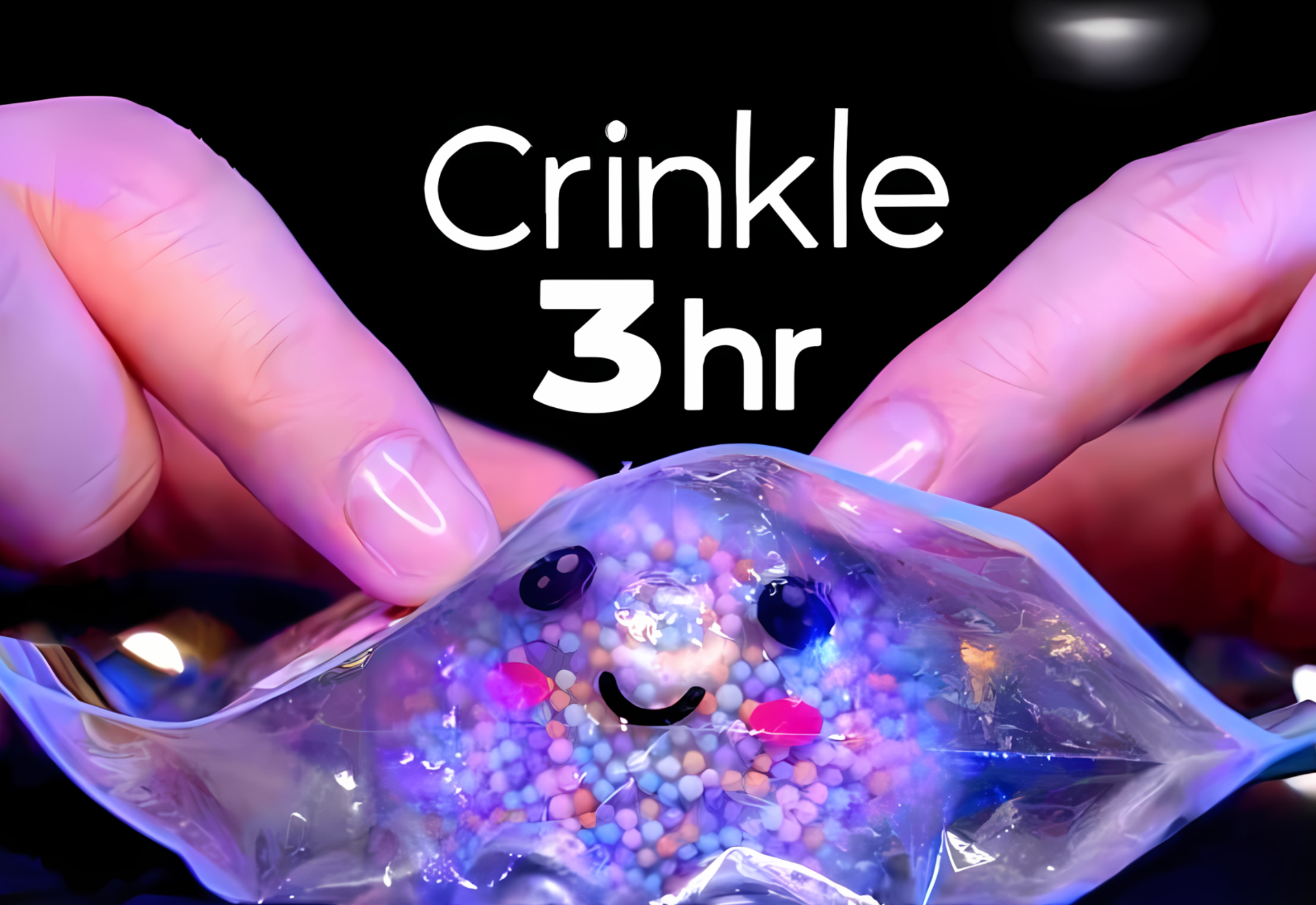
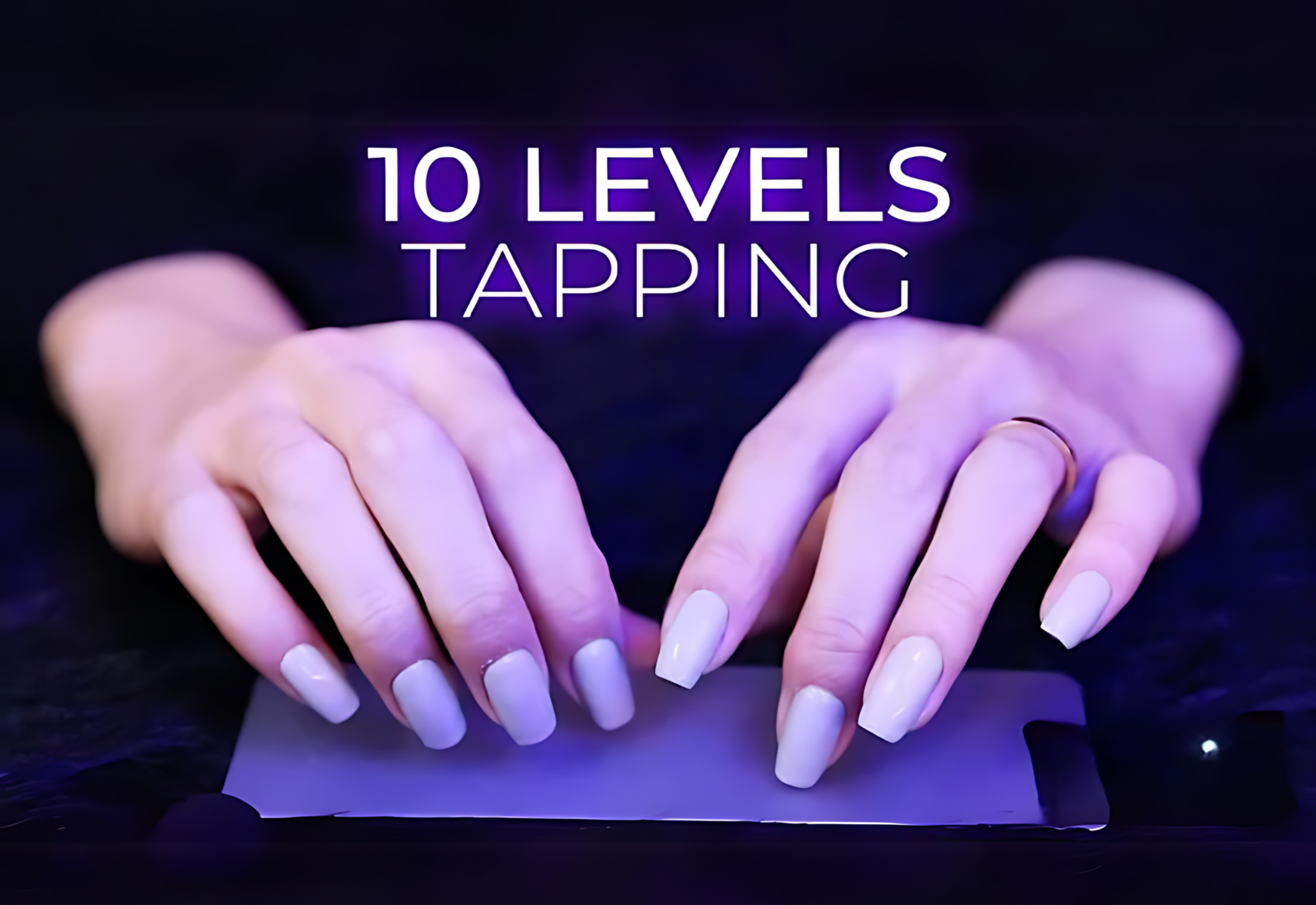
There are thousands of videos on YouTube, TikTok and other platforms tagged or labelled as ASMR, some with upwards of 200 million views. The content varies enormously, but in different ways they focus on and often ‘dial up’ the most common ASMR triggers – exaggerated whispering, breathing and mouth sounds; tapping and crinkling sounds, gentle or fluttering hand movements. There are dozens of apps available relating to ASMR, some with over 100 million downloads. These apps offer games in which the user can pretend to squish slime, feed an open mouth various foods, do virtual colouring-in, or remove blackheads or parasites from an animated body.
Search for ‘ASMR’ on Google Play Store
Mapping the ASMR landscape
To attempt to map the landscape of ASMR genres and triggers, we conducted analysis of the titles and descriptions accompanying a sample of 4000 videos on YouTube, returned by the search query “ASMR”.
The videos vary enormously, from “ASMR: Pokemon card collection for sleep” to “Nail salon roleplay”. There are recipe videos (“Beef wellington ASMR”), unboxing videos (“Galaxy S23 Soft Spoken Unboxing ASMR”), and make-up routines (“ASMR watch me do my makeup + whisper ramble”).
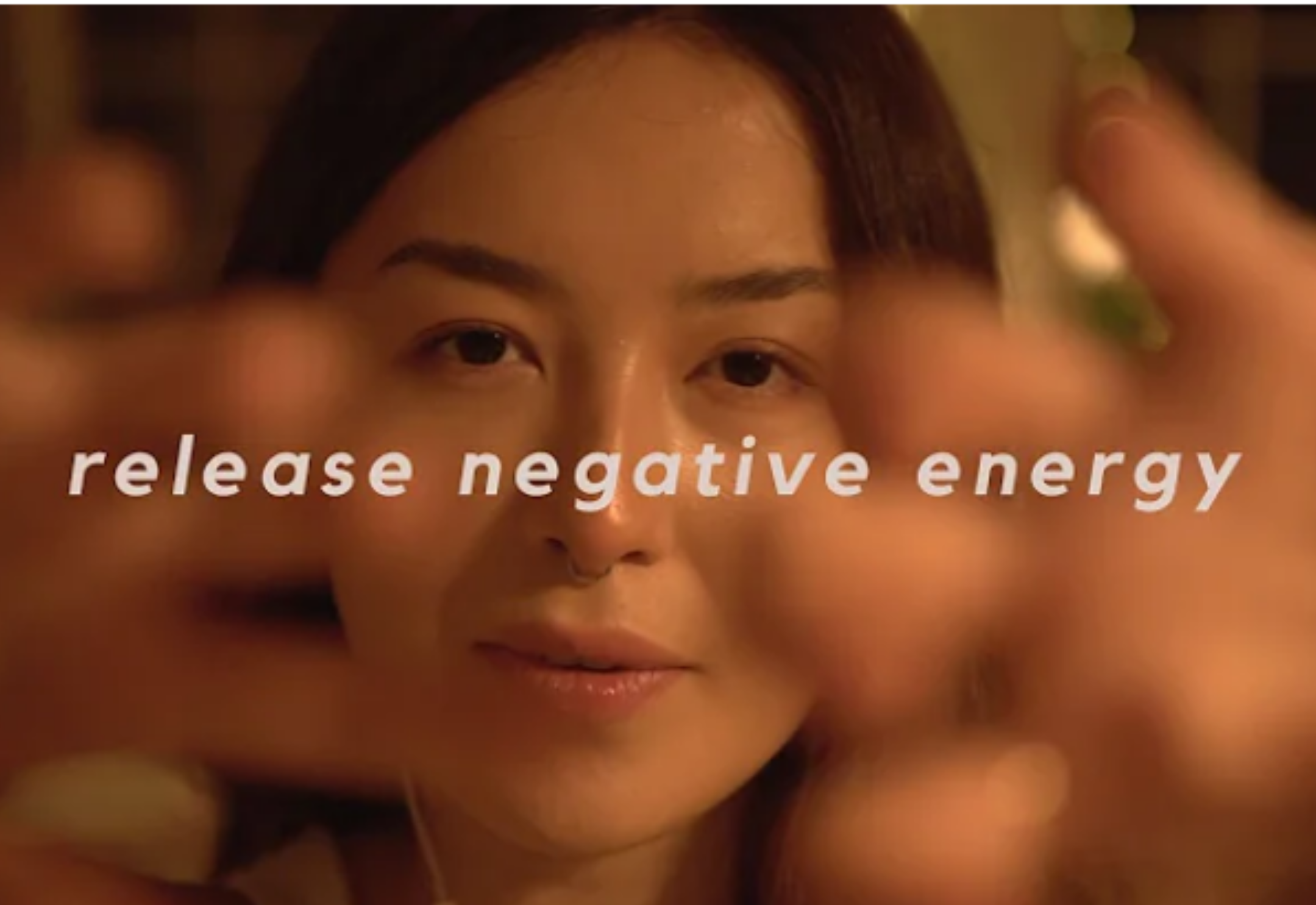
Many of the video titles and descriptions invite the audience to watch to fulfil a particular need – most commonly offering help to go to sleep, but also to soothe negative feelings (“ASMR removing ALL of your negative energy”) or to help people struggling with their mental health (Watch this if you feel like a burden #ASMR).
Most of the search results are videos with audio and film, but some are audio-only with a static image and some are animations.
To explore the most common themes, we analysed which words were mentioned most frequently in either the title or the description of these ASMR videos. Excluding functional words (‘and’, ‘were’, ‘my’, etc), the most commonly mentioned word was “sound” (31% of videos), followed by “sleep” (22% of videos) and “relax” (26% of videos).
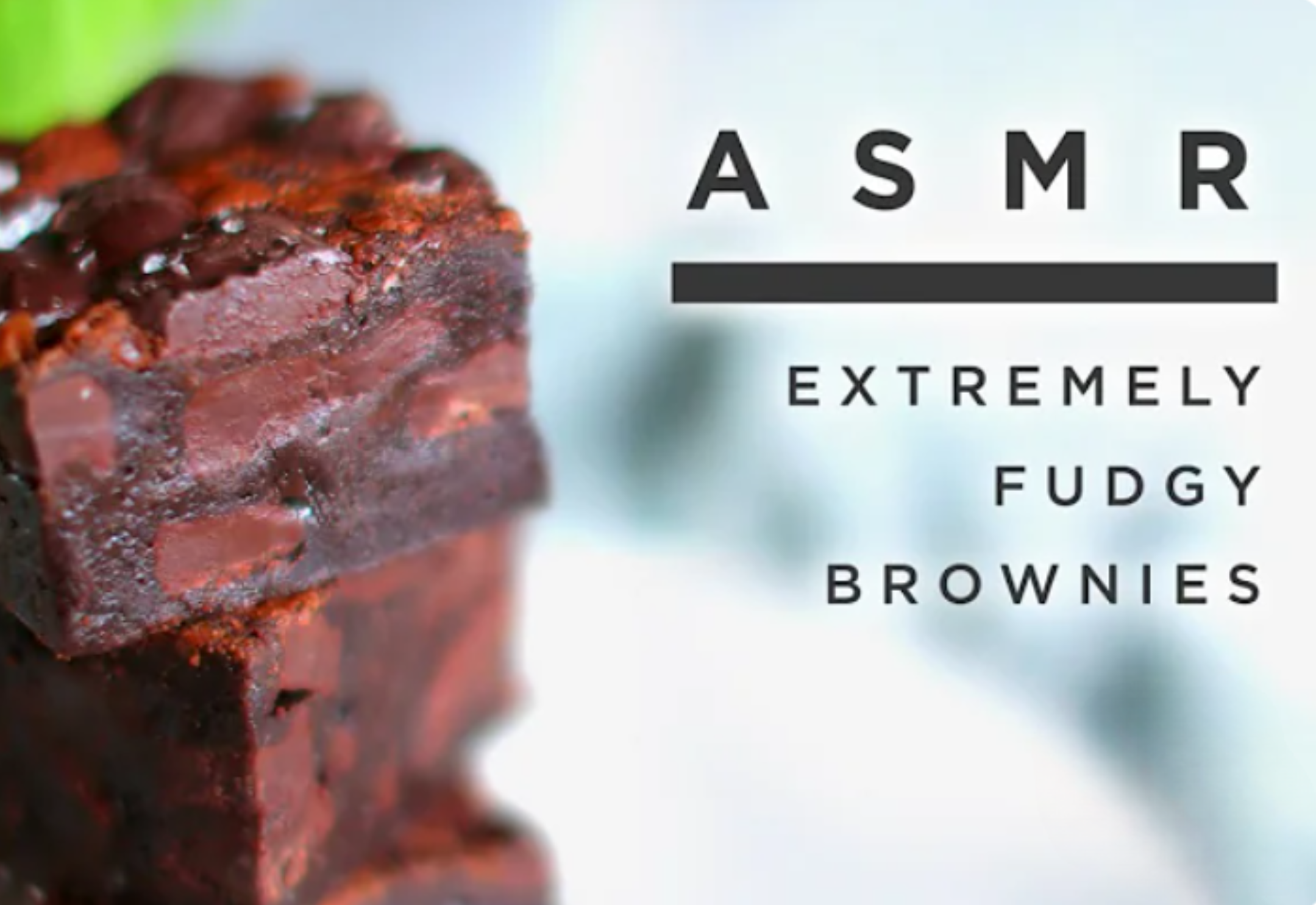
Analysing the 200 most common words, we identified several groupings which seemed to point towards frequently occurring themes. For example, we grouped words such as “massage”, “make-up”, “skincare” under a theme of ‘personal care and beauty’. Similarly, we grouped “slime”, “foam”, “sponge” and “soap” under the theme ‘materials and textures’.
This approach is imperfect: it doesn’t account for thousands of words that appeared less frequently but may well sit within one of our themes. And there are other words that don’t fit neatly into a theme, but are common across many themes, for example, the word “role-play” appears in 11% of videos of different types.
It also doesn’t account for factors like the characteristics of the content creator. From our experience watching hundreds of these videos, the majority of content creators, particularly those appearing on-screen themselves in POV style videos, appear to be young women - which our coding is not able to quantify.
However this analysis does give us a picture of the ASMR landscape, indicating the most common descriptors and phrases used to guide audiences to a video they might enjoy.
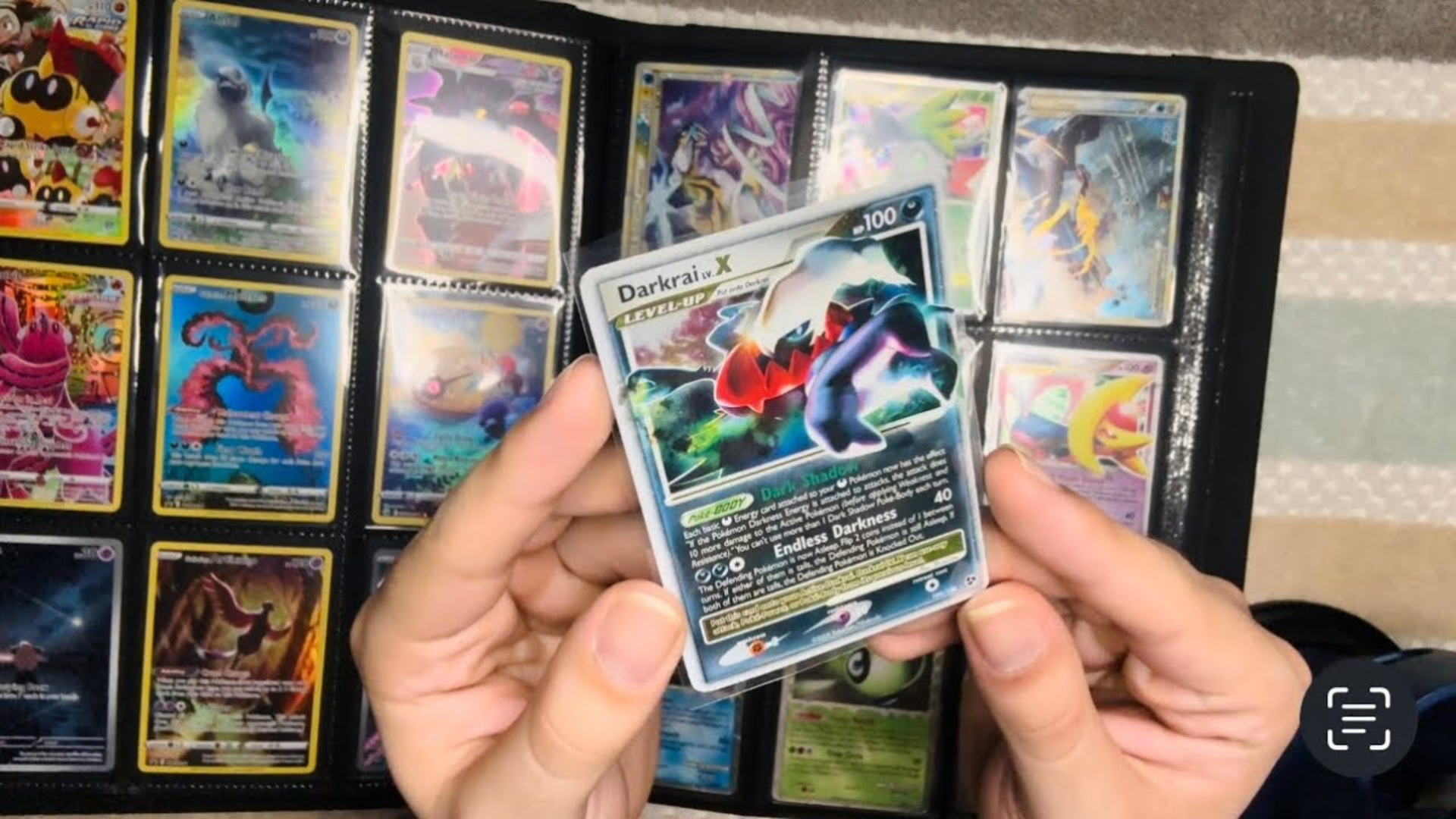
ASMR | Pokemon Card Collection for Sleep
Clip taken from 35 min video with 1.8k views on YouTube
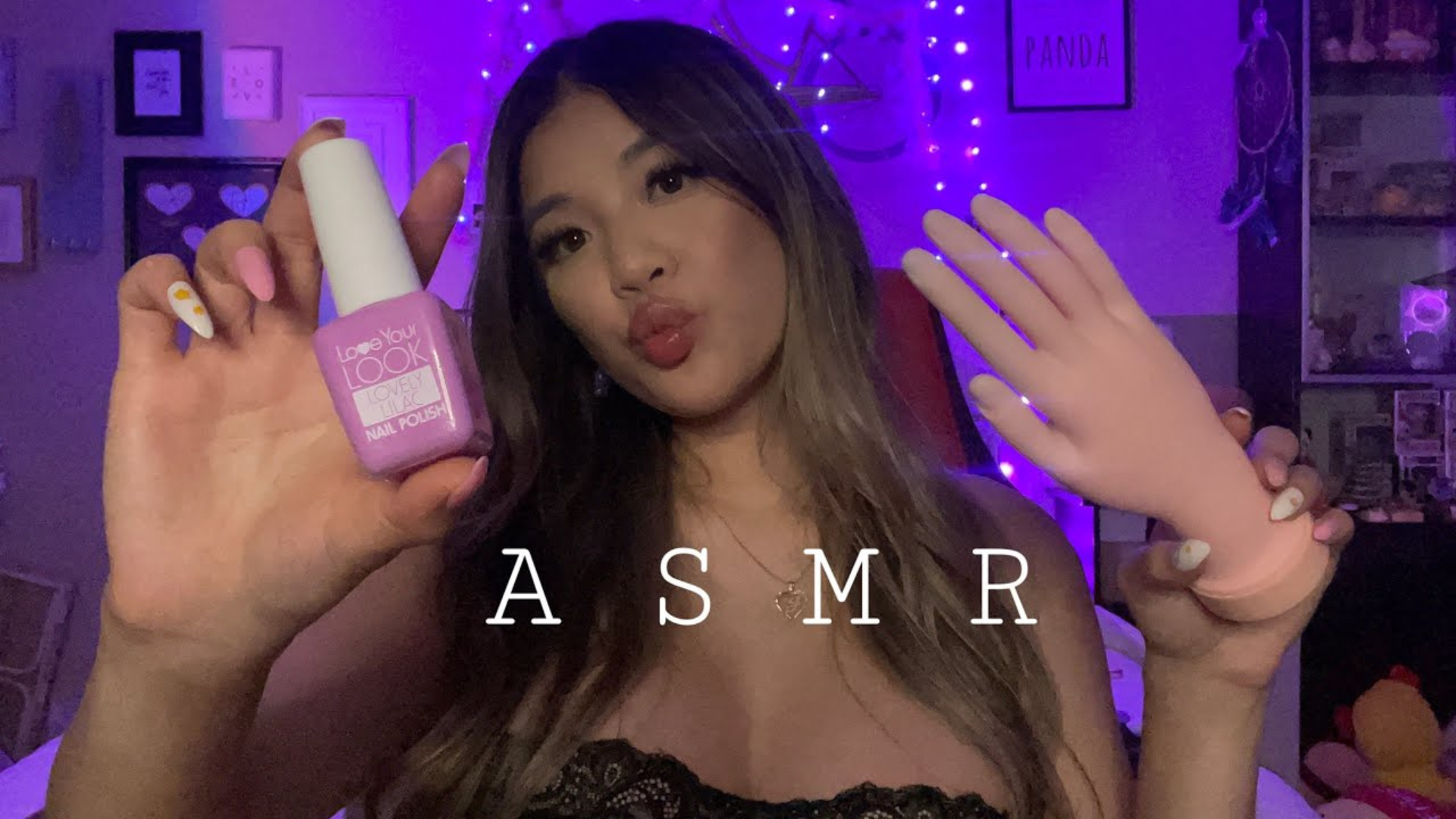
ASMR | Nail Salon Roleplay
Clip taken from 6 min video 459k views on YouTube
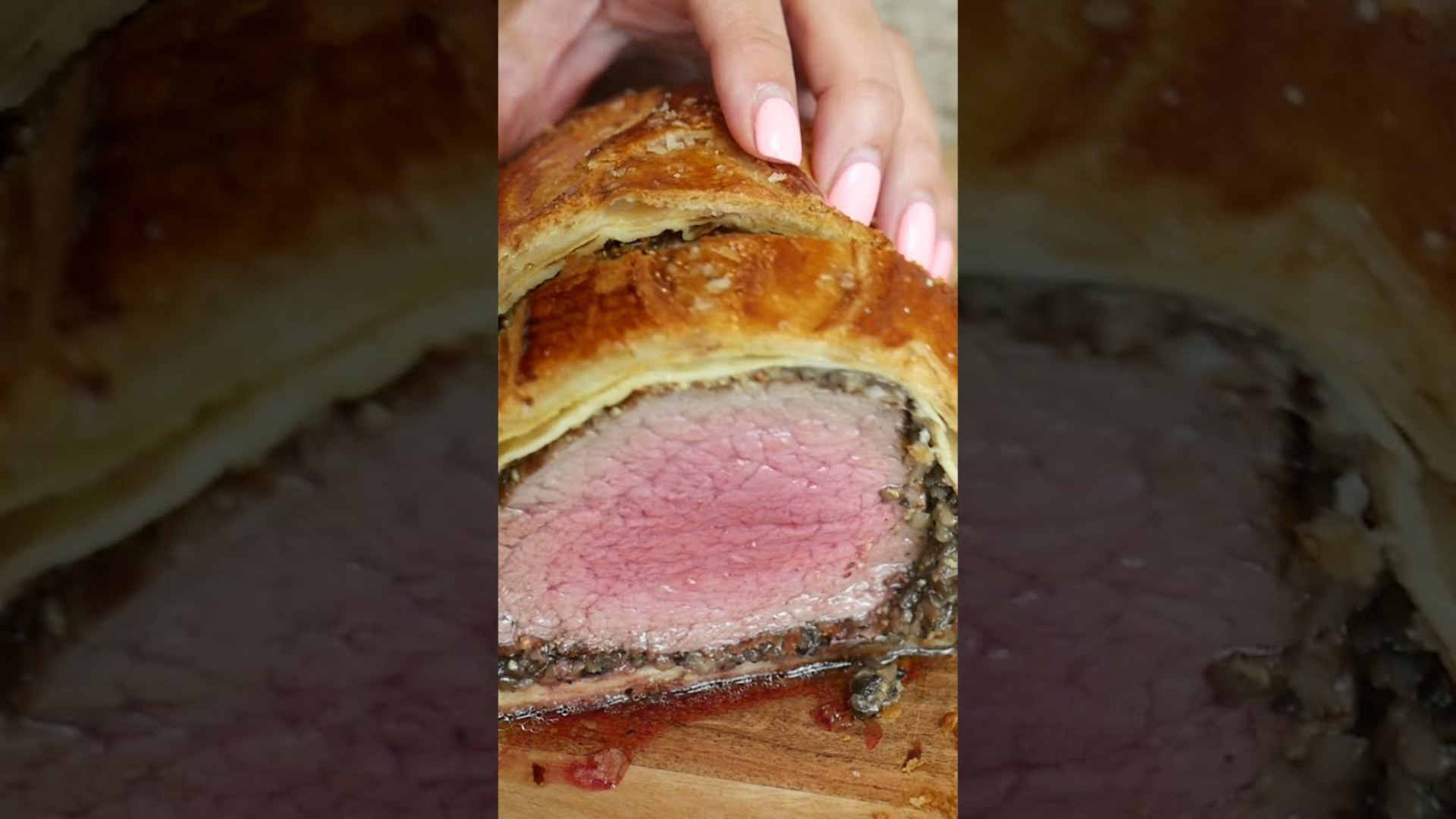
Beef Wellington ASMR
58k likes on YouTube Shorts
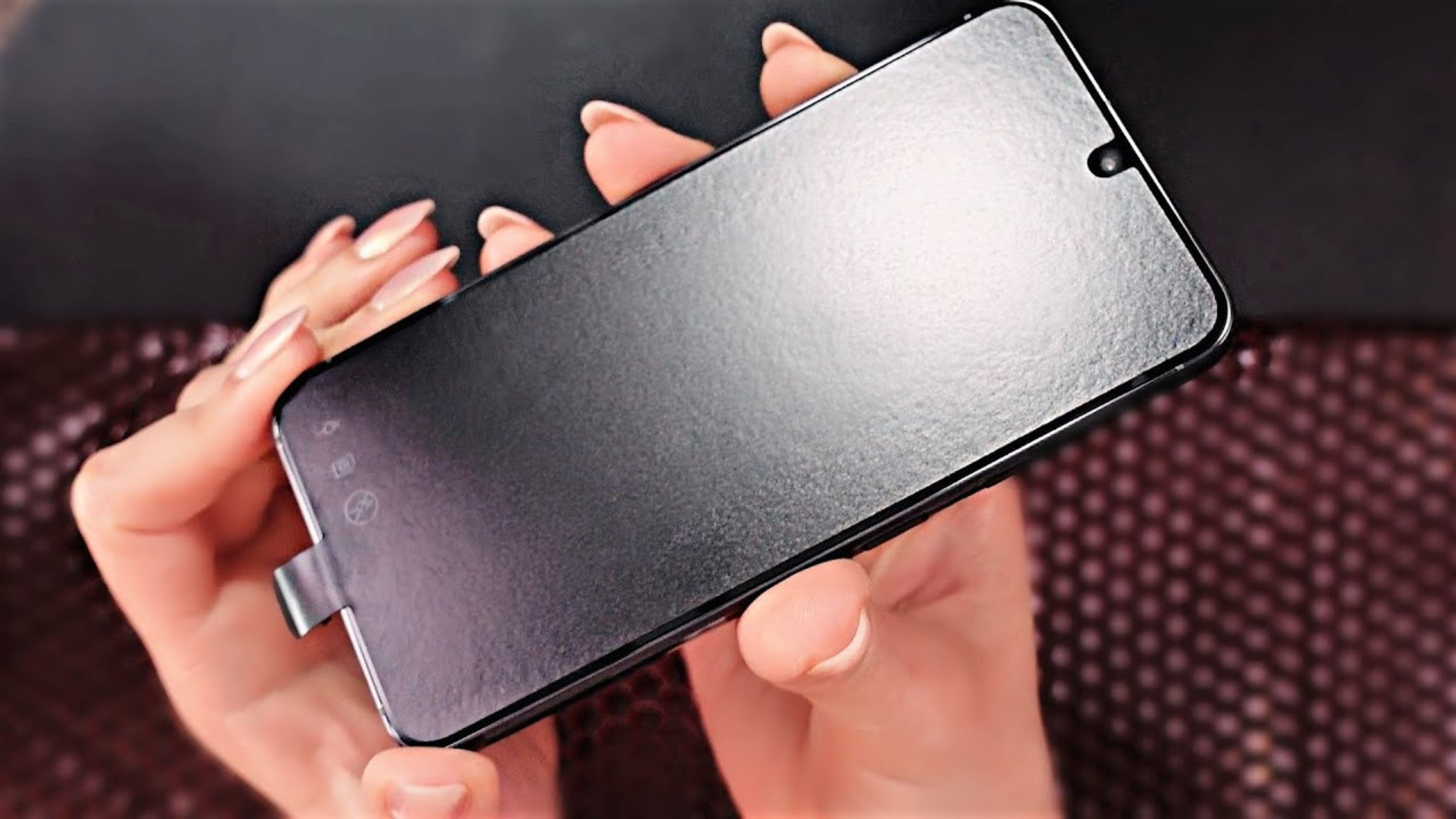
Galaxy S23 - Soft Spoken Unboxing ASMR
Clip taken from 55 min video with 868k views on YouTube
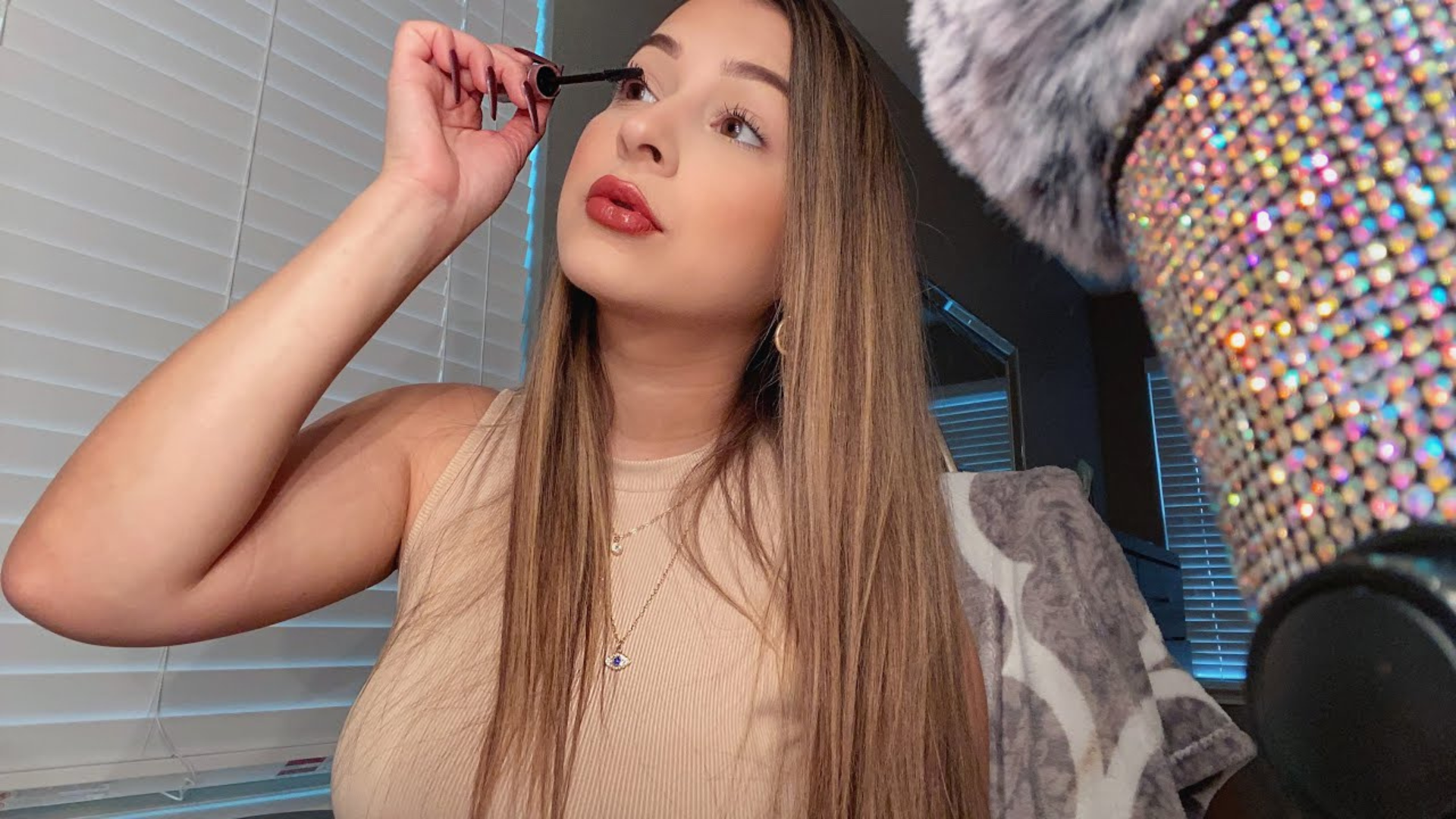
ASMR watch me do my makeup + whisper ramble
Clip taken from 30 min video with 218k views on YouTube
A majority of video titles and descriptions mentioned words relating to sounds
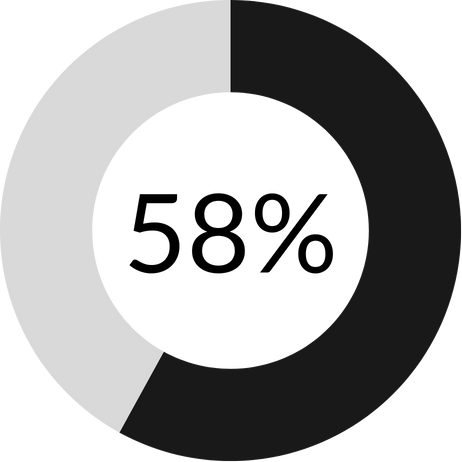
38% of videos mention the word “sound”
20% of videos mention the word “whisper”
9% of videos mention the word “talk” or “talking”
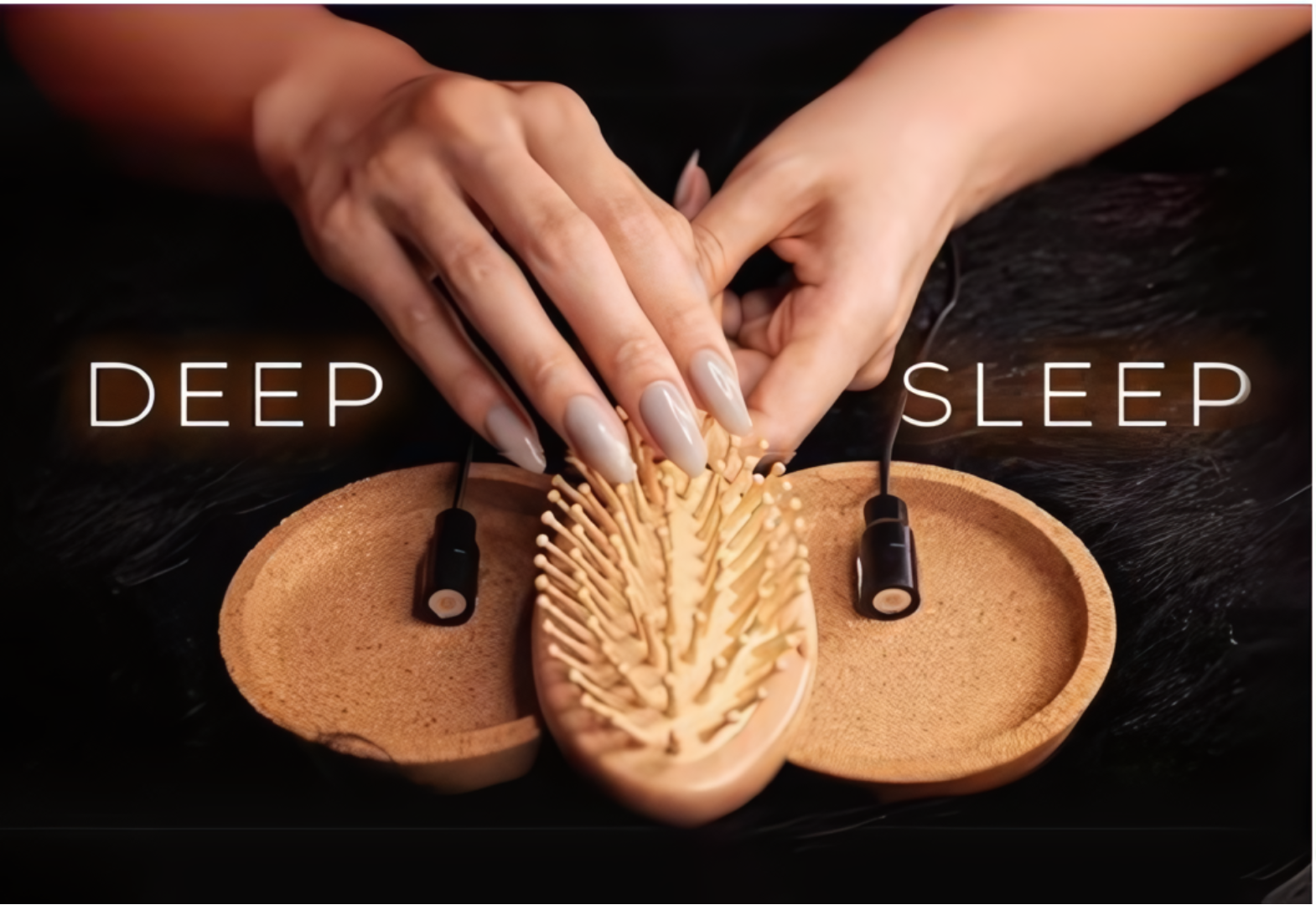
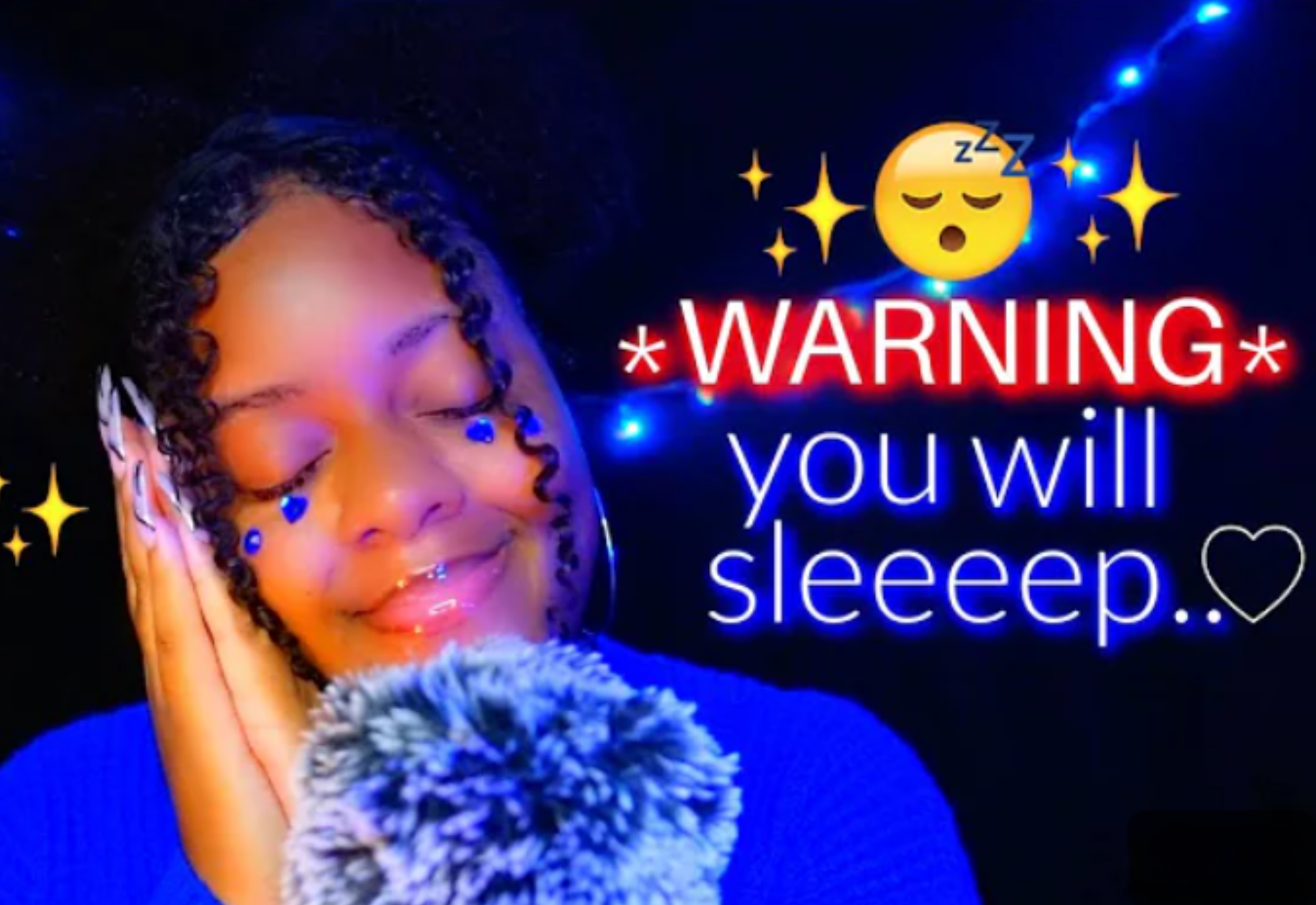
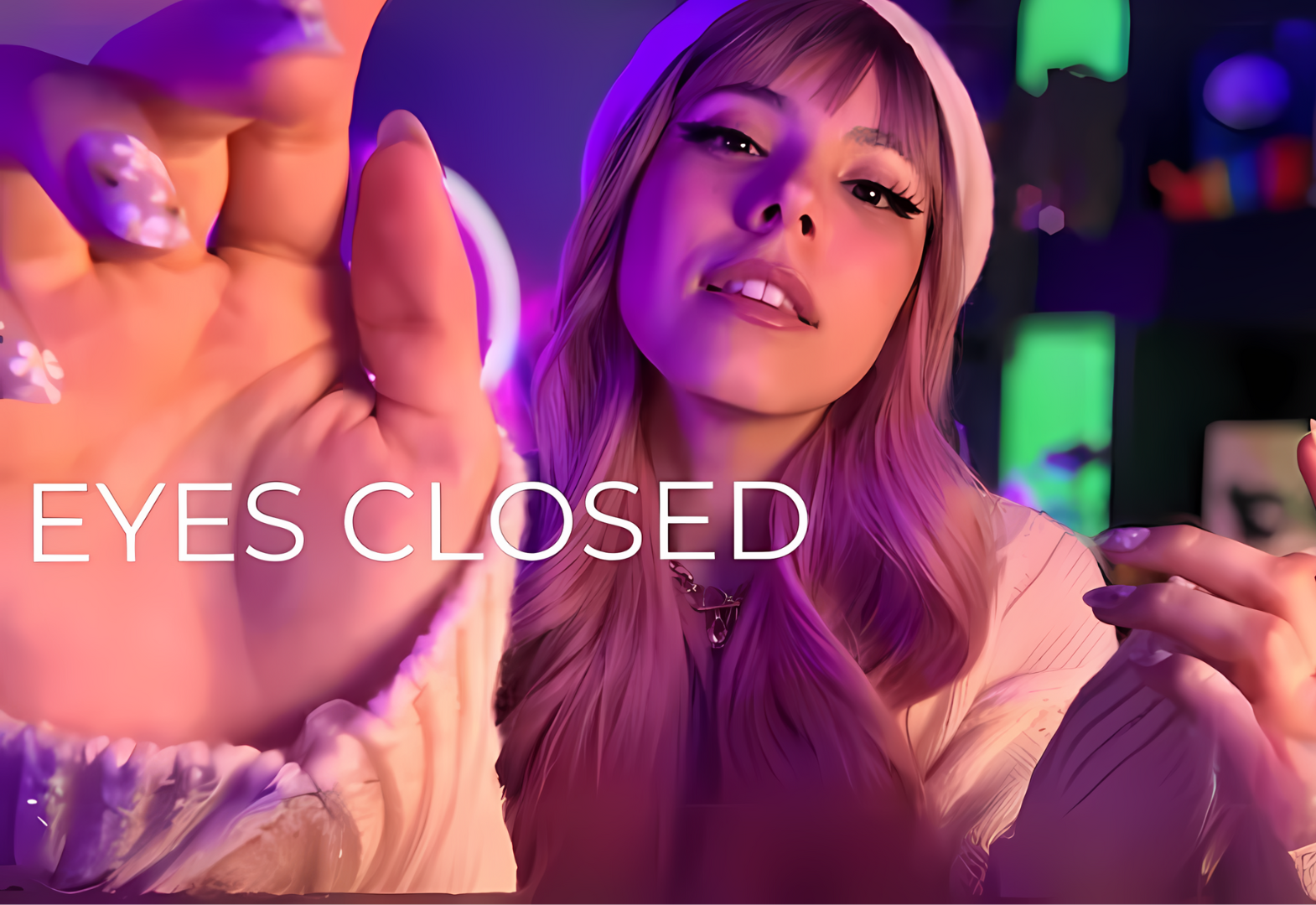
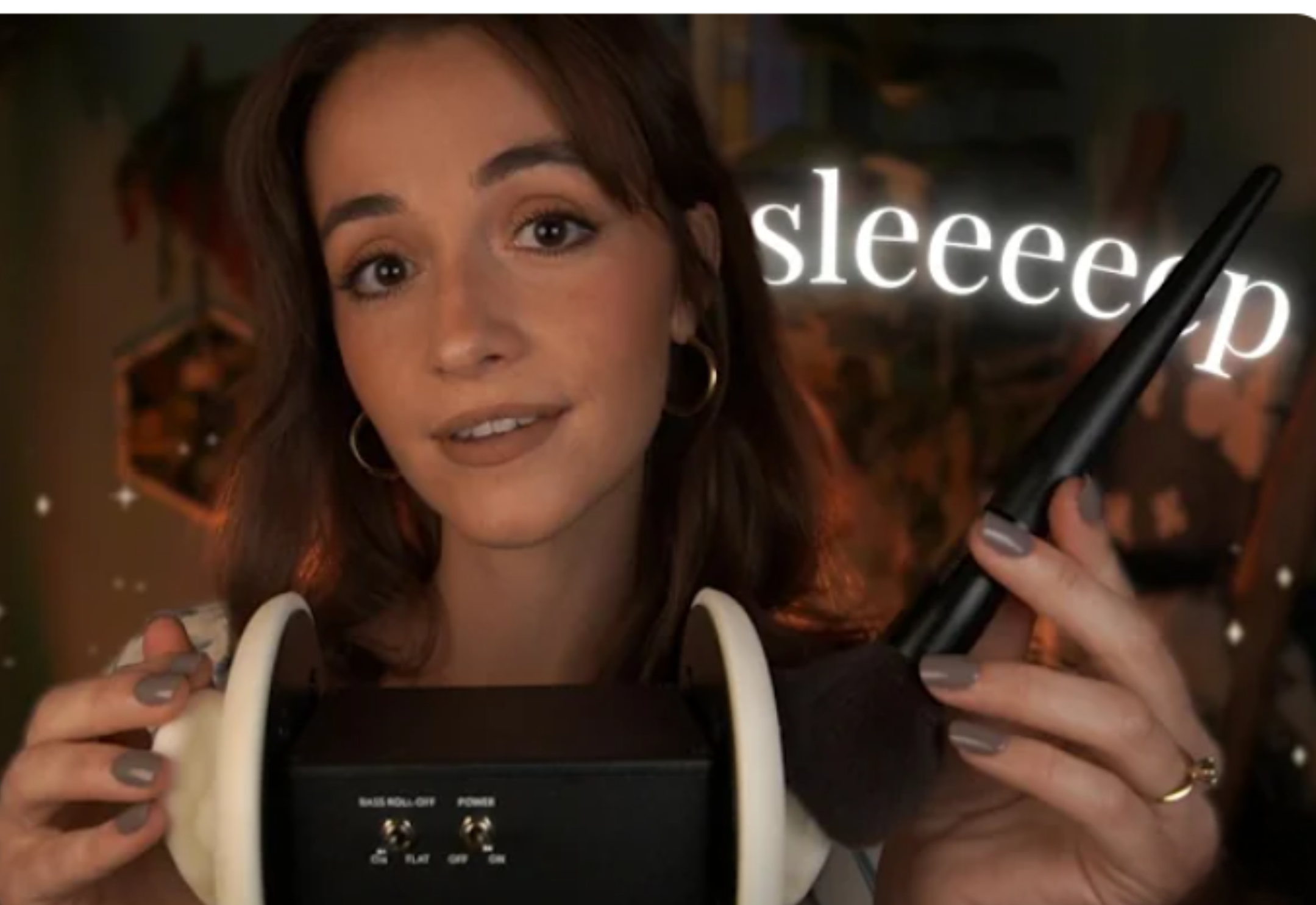
Half of video titles or descriptions mentioned words relating to sleep or relaxation
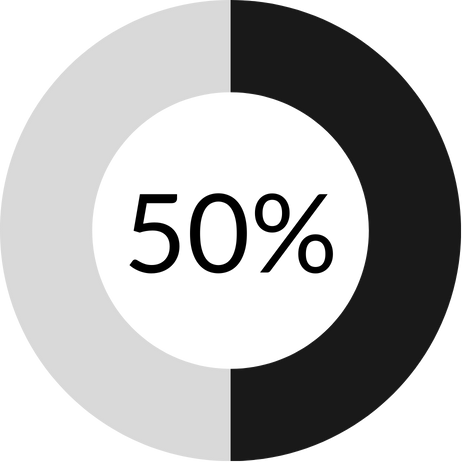
33% of videos mention the word “sleep”
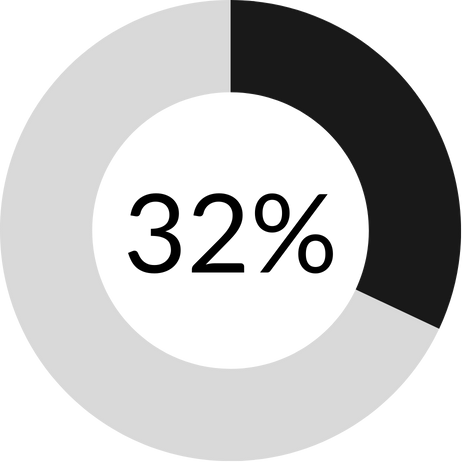
32% of videos mention the word “relax”
5% of videos mention the word “dream”
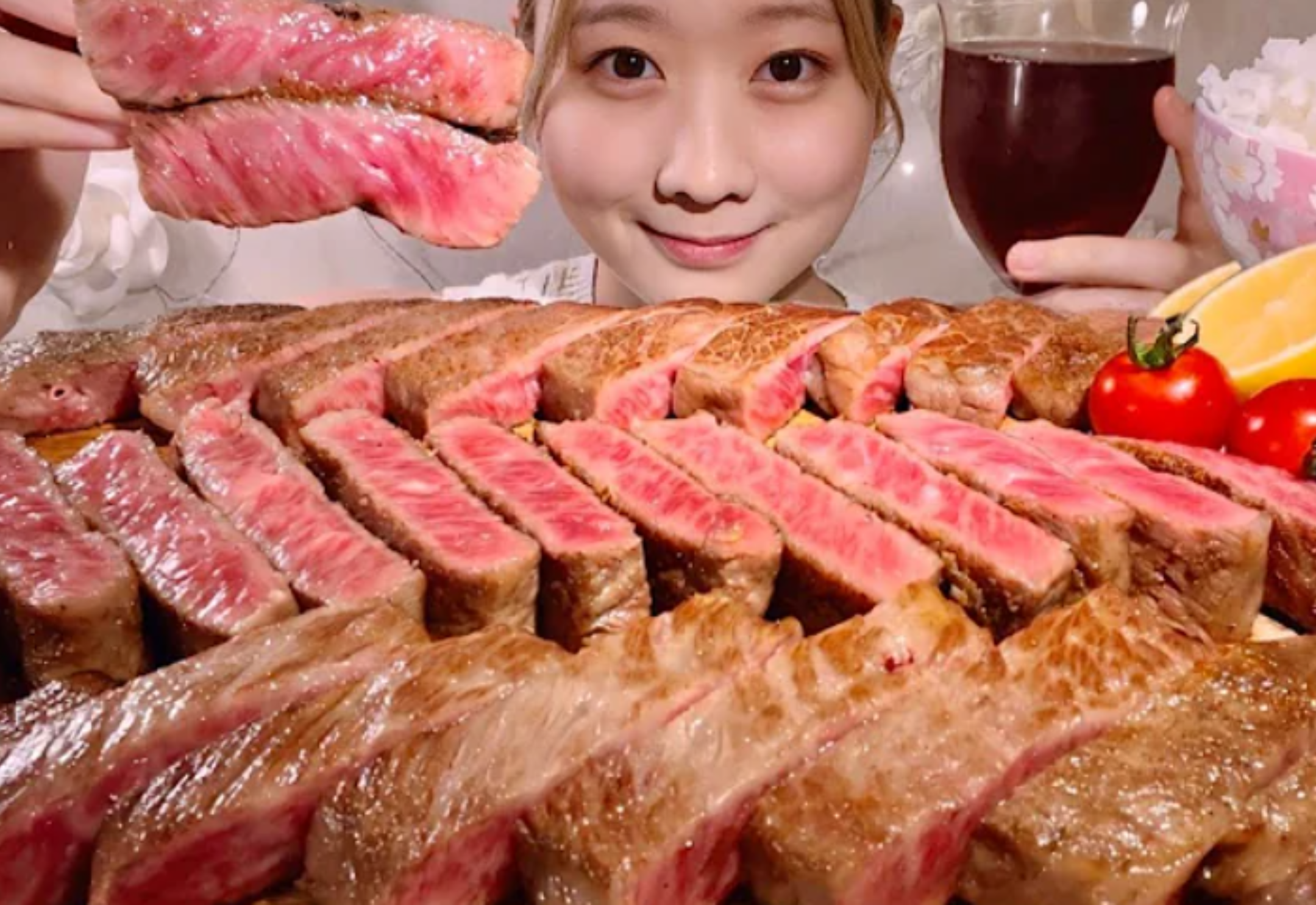
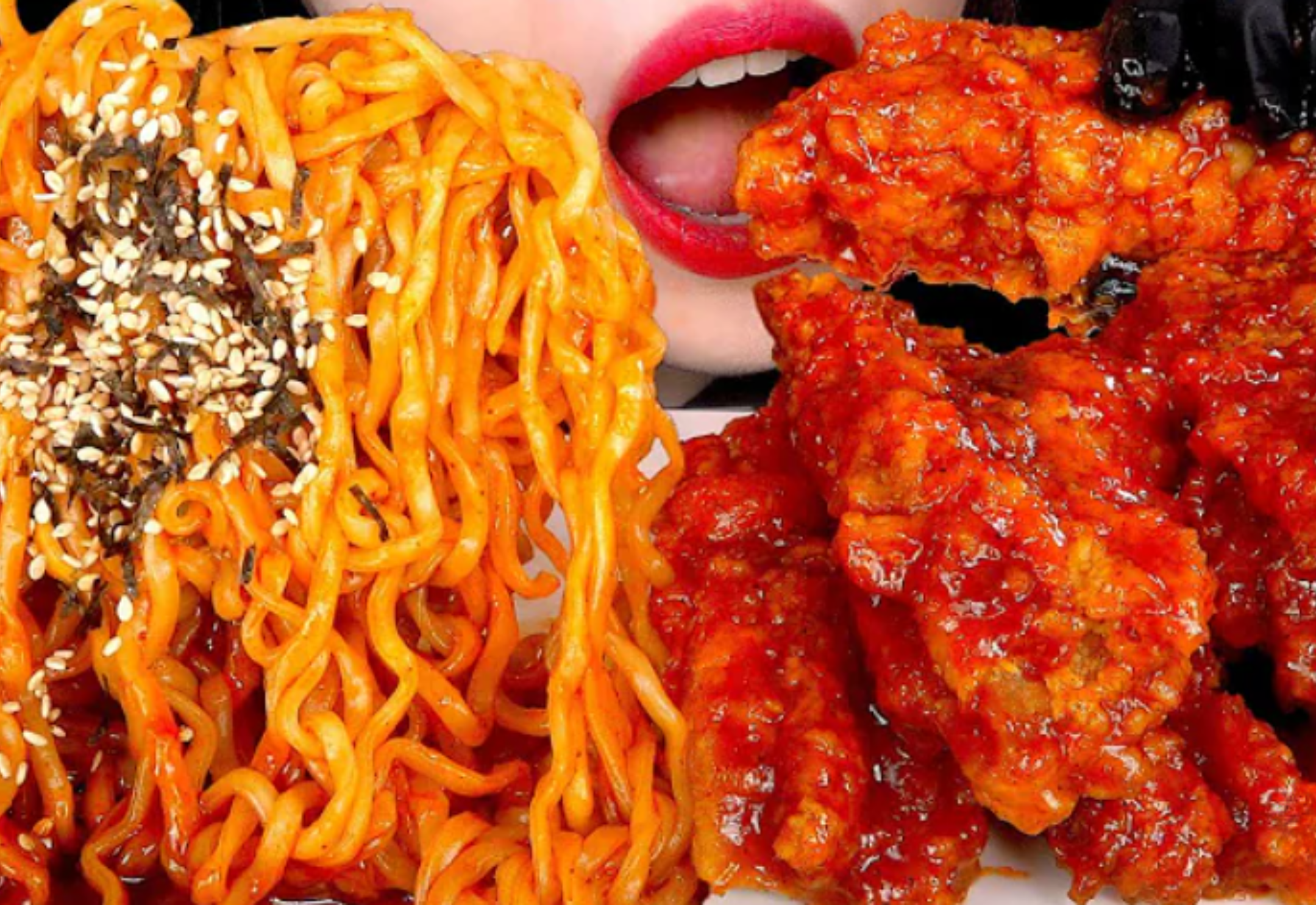
A third of video titles or descriptions mentioned words relating to food or eating
9% of videos mention the word “food”
9% of videos mention the word “eating”
10% of videos mention the word “mukbang”
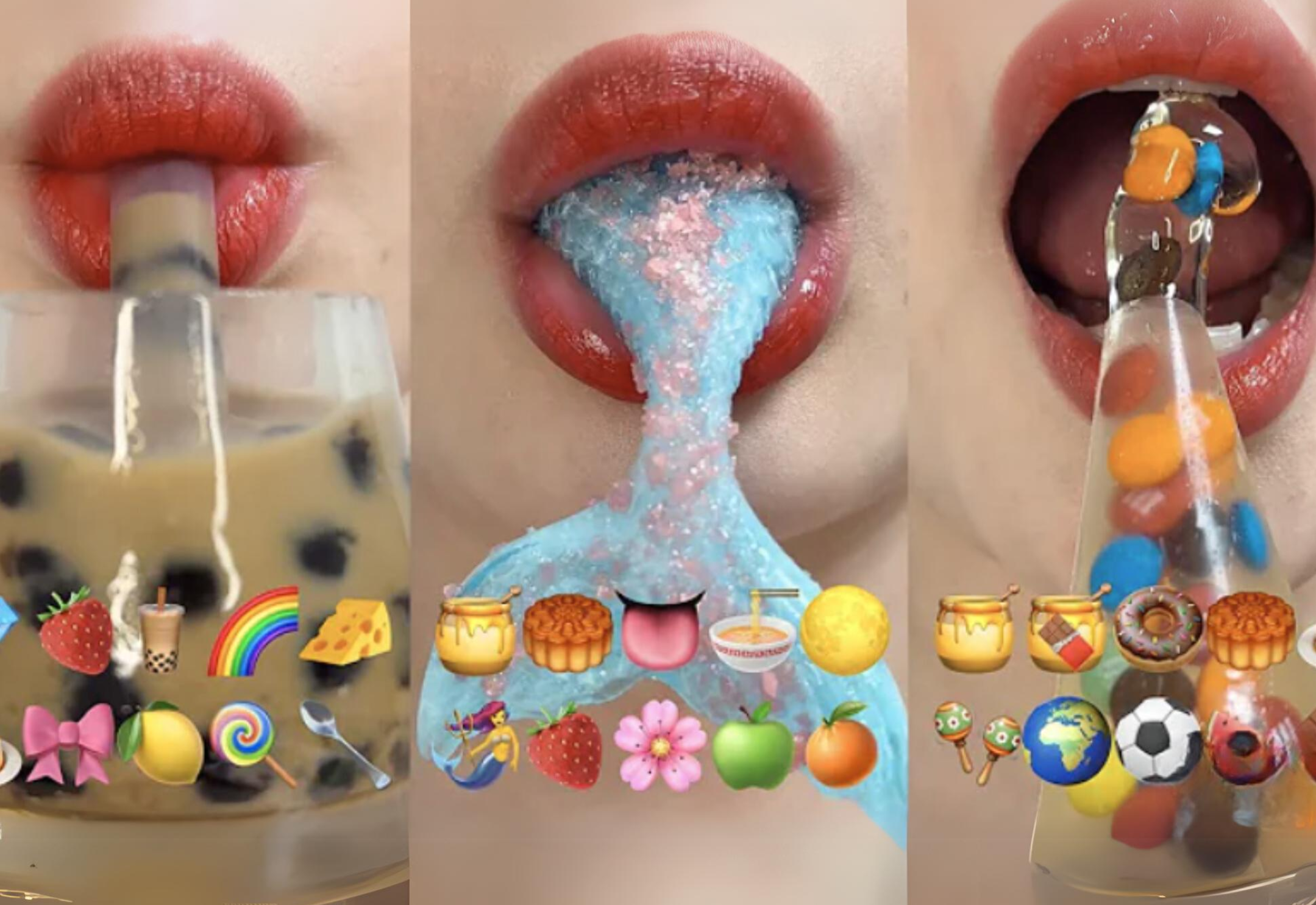
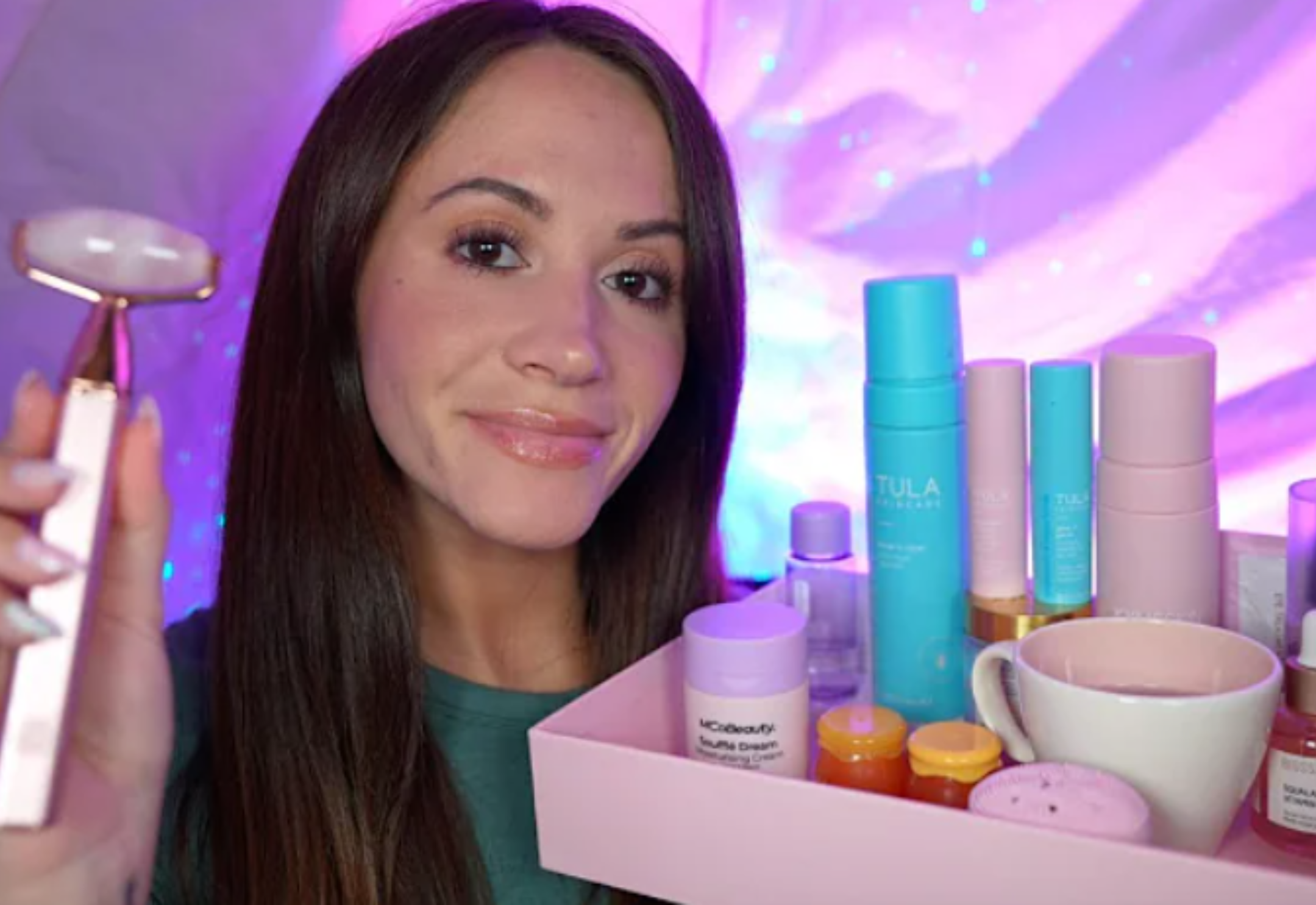
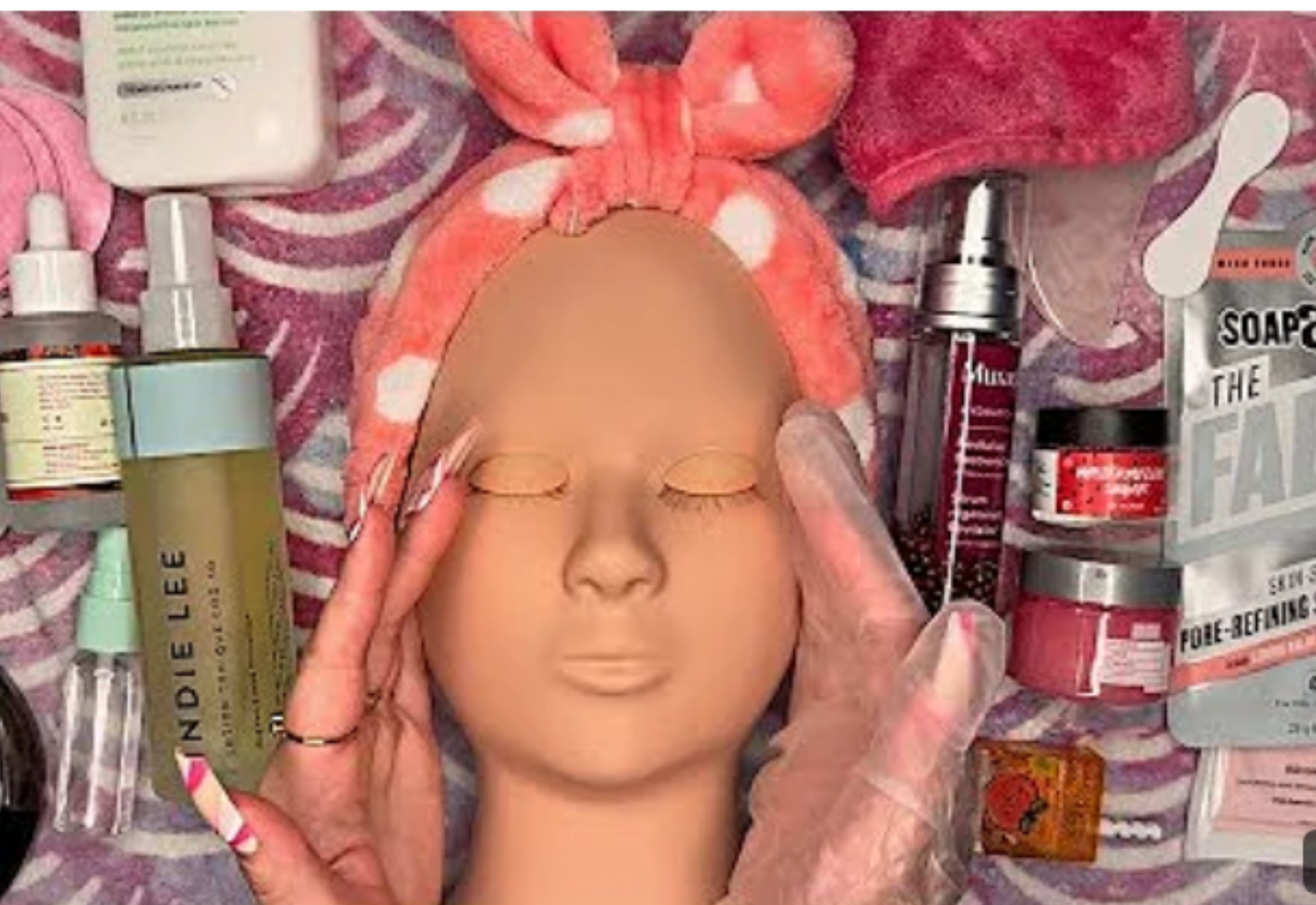
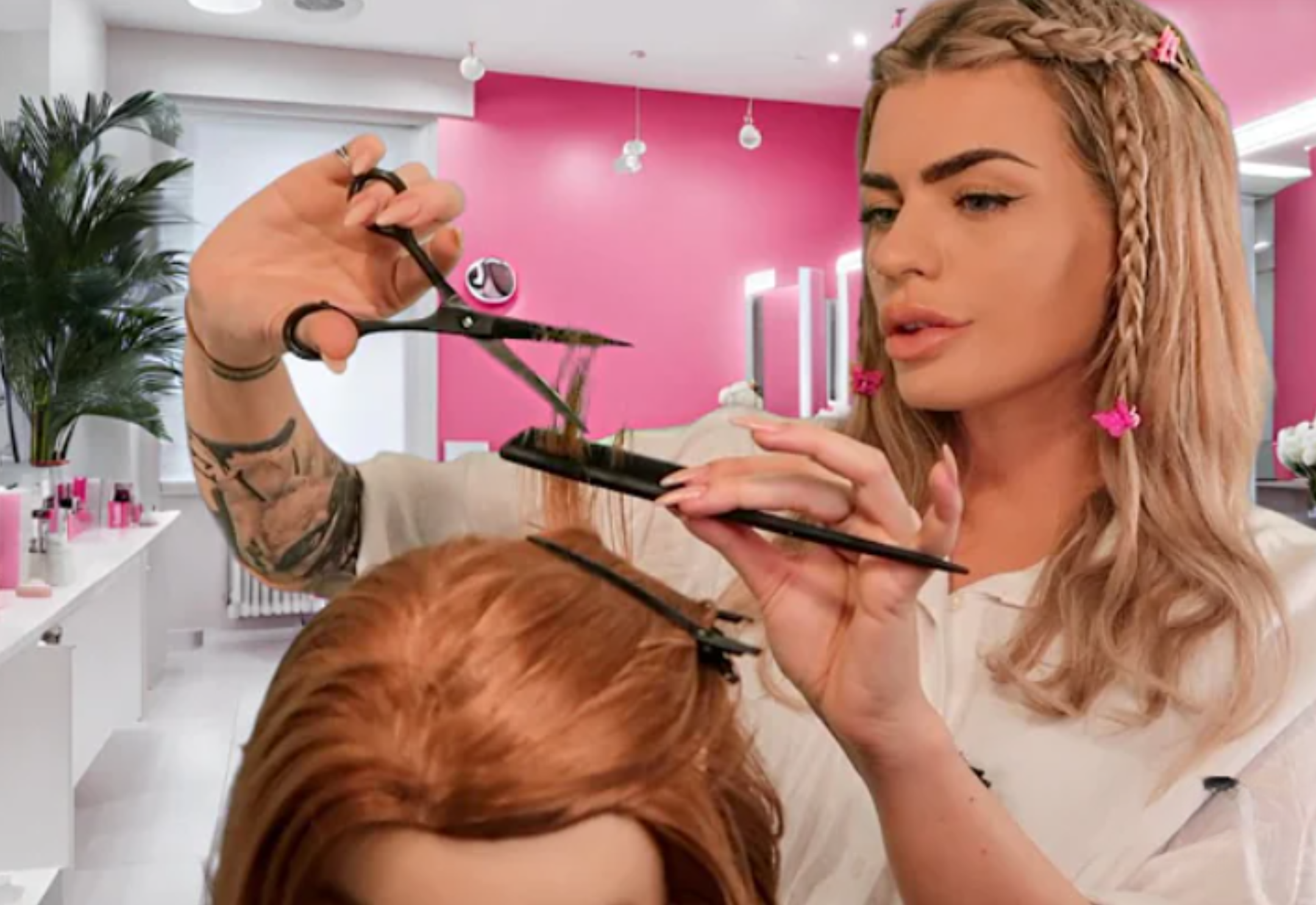
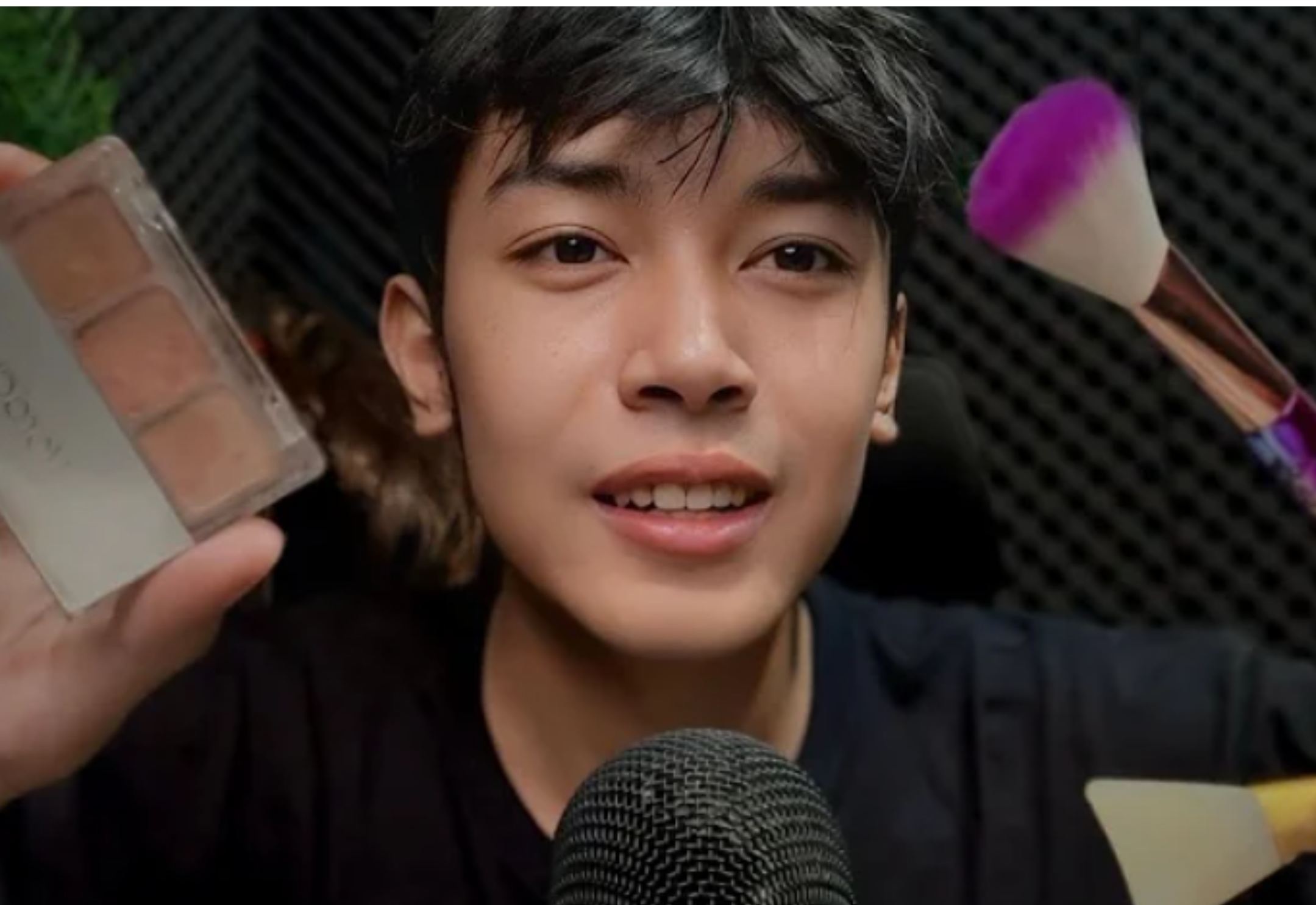
A third of video titles or descriptions mentioned words relating to personal care and beauty
8% of videos mention the word “hair”
6% of videos mention the word “makeup”
2% of videos mention the word “skincare”
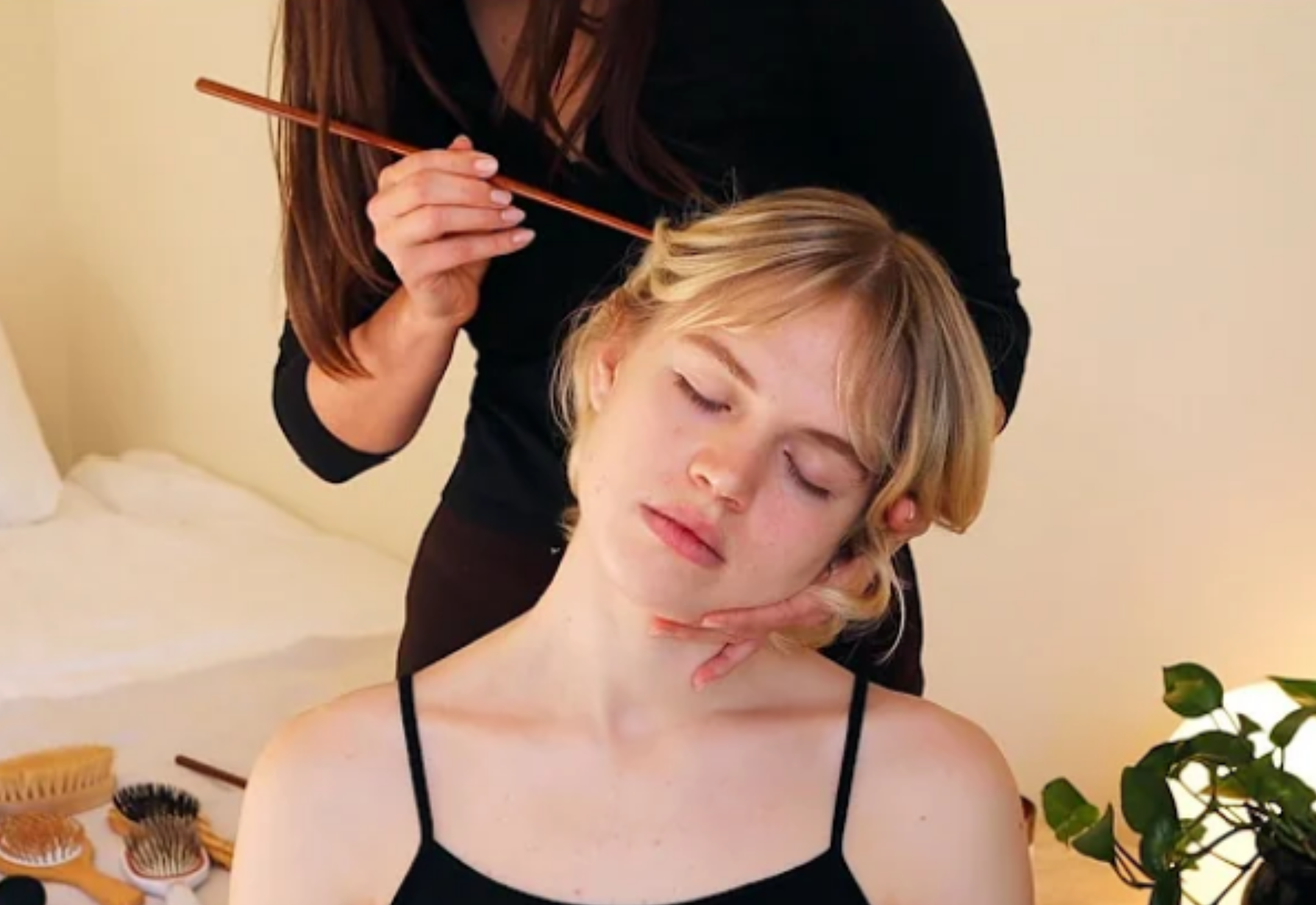
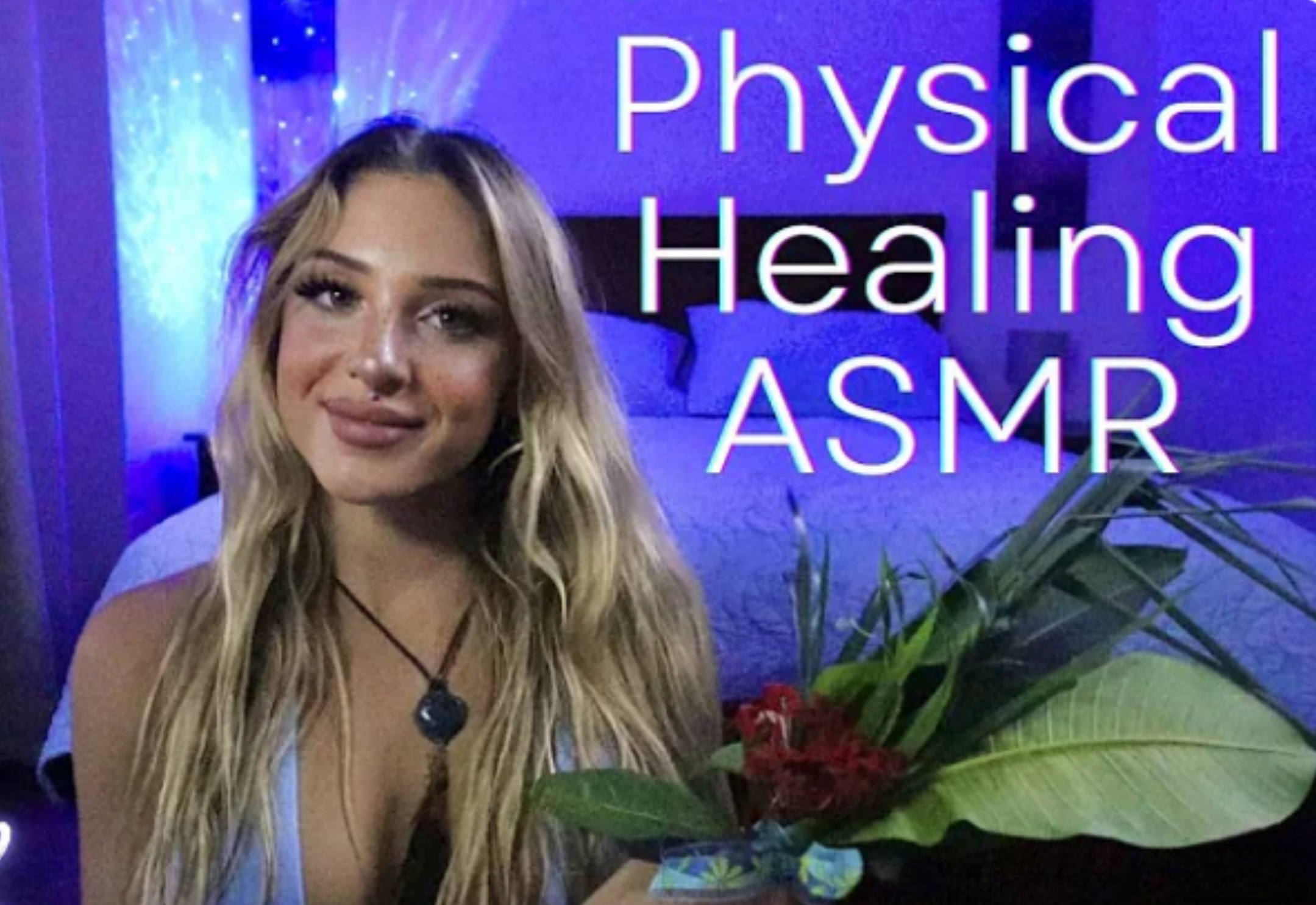
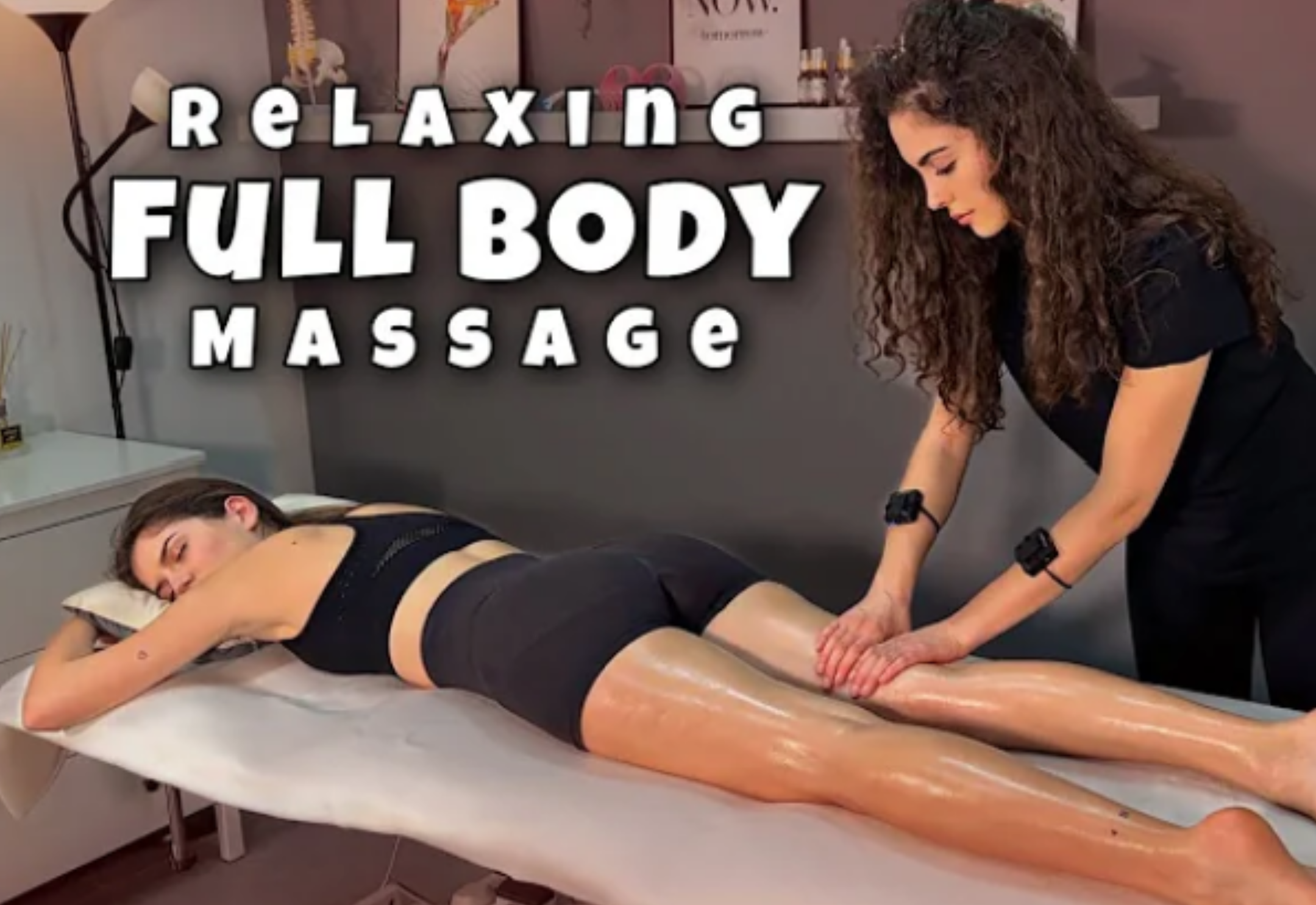
A quarter of video titles or descriptions mentioned words relating to therapeutic stress relief

10% of videos mention the word “massage”
4% of videos mention the word “stress”
2% of videos mention the word “healing”
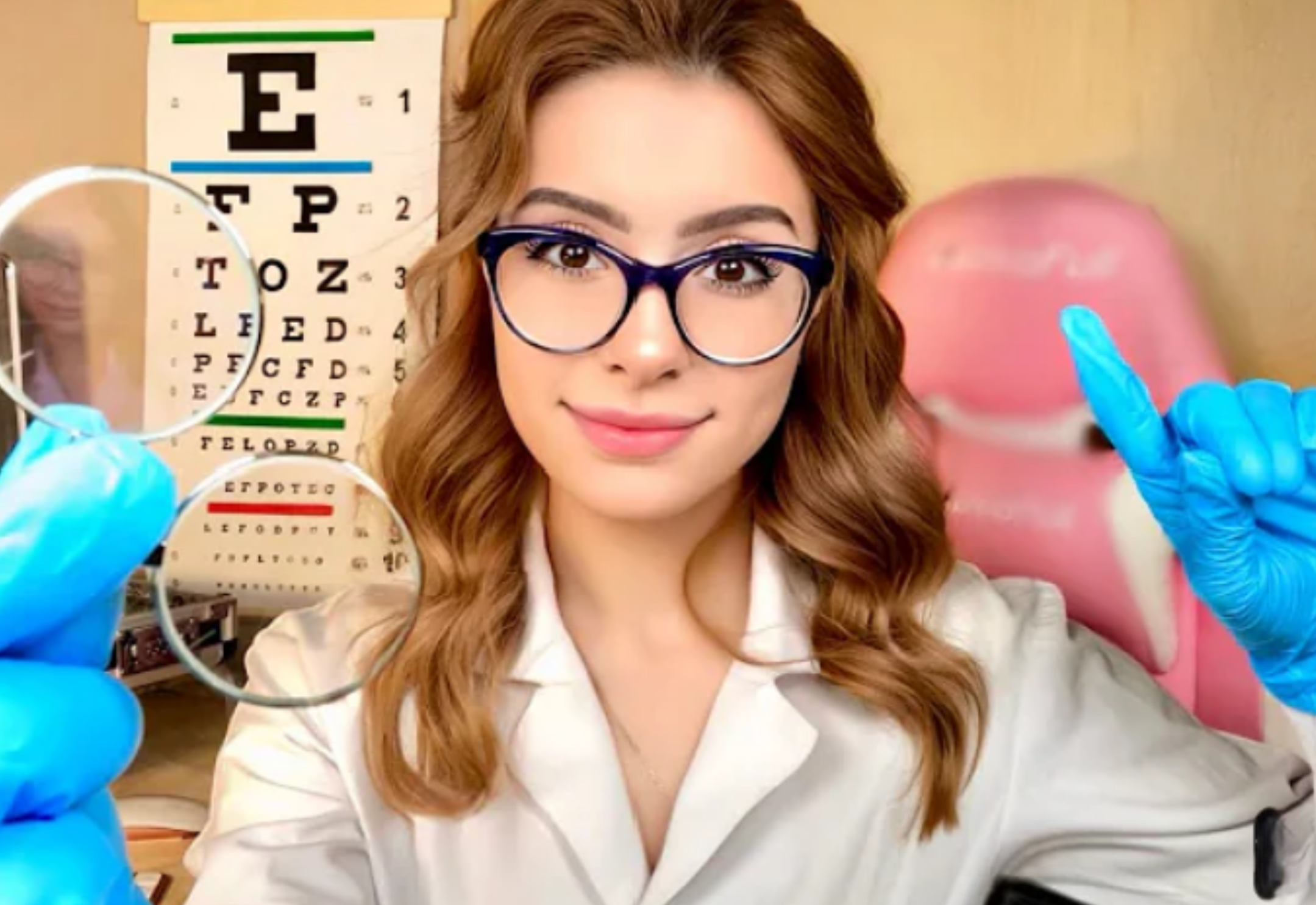
A quarter of video titles or descriptions mentioned words relating to medical checks
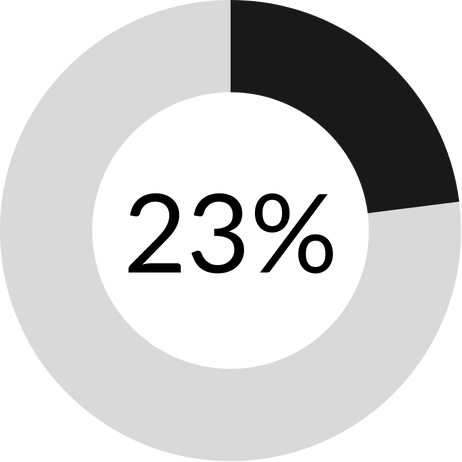
3% of videos mention the word “medical”
9% of videos mention the word “check”
2% of videos mention the word “doctor”
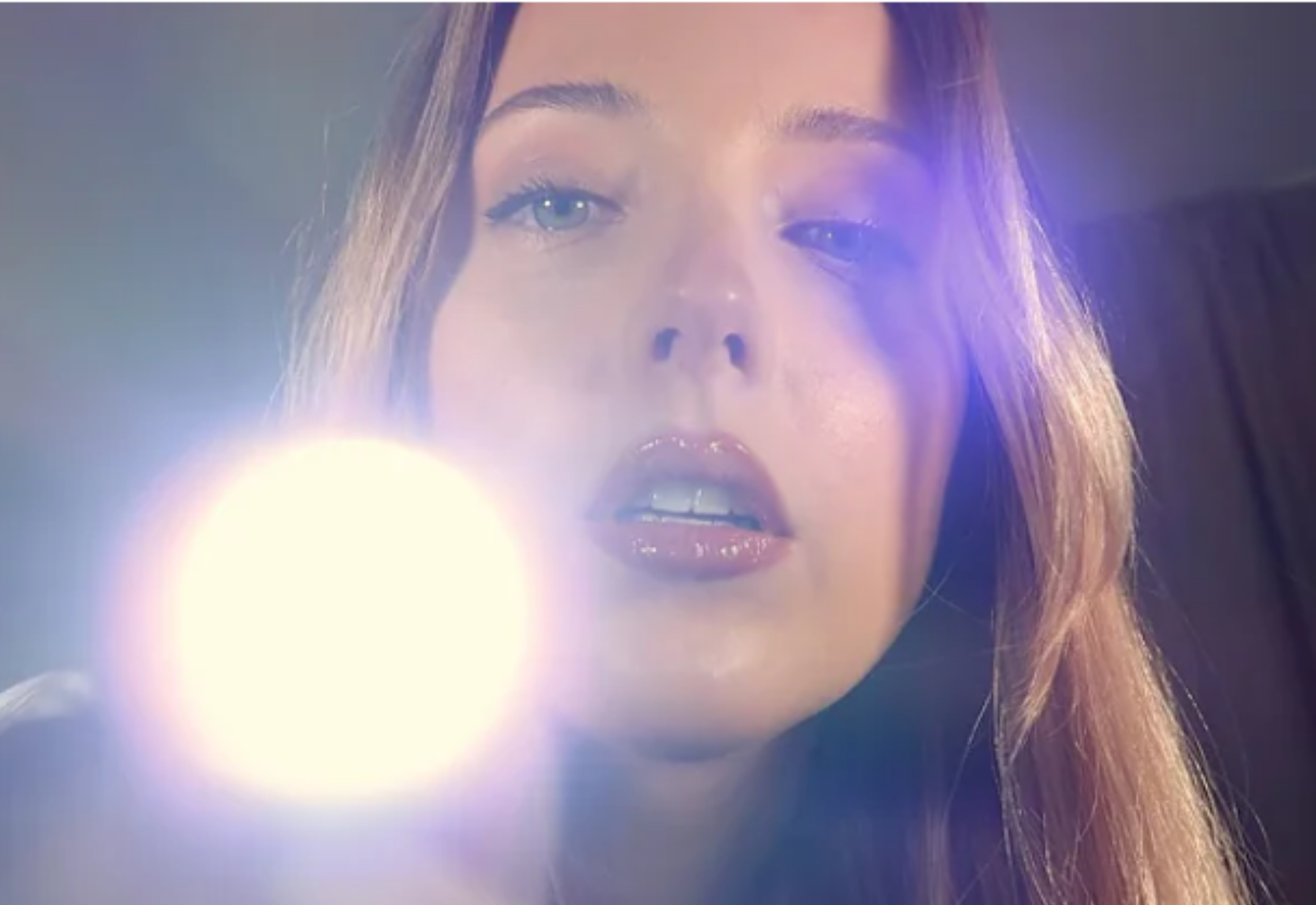
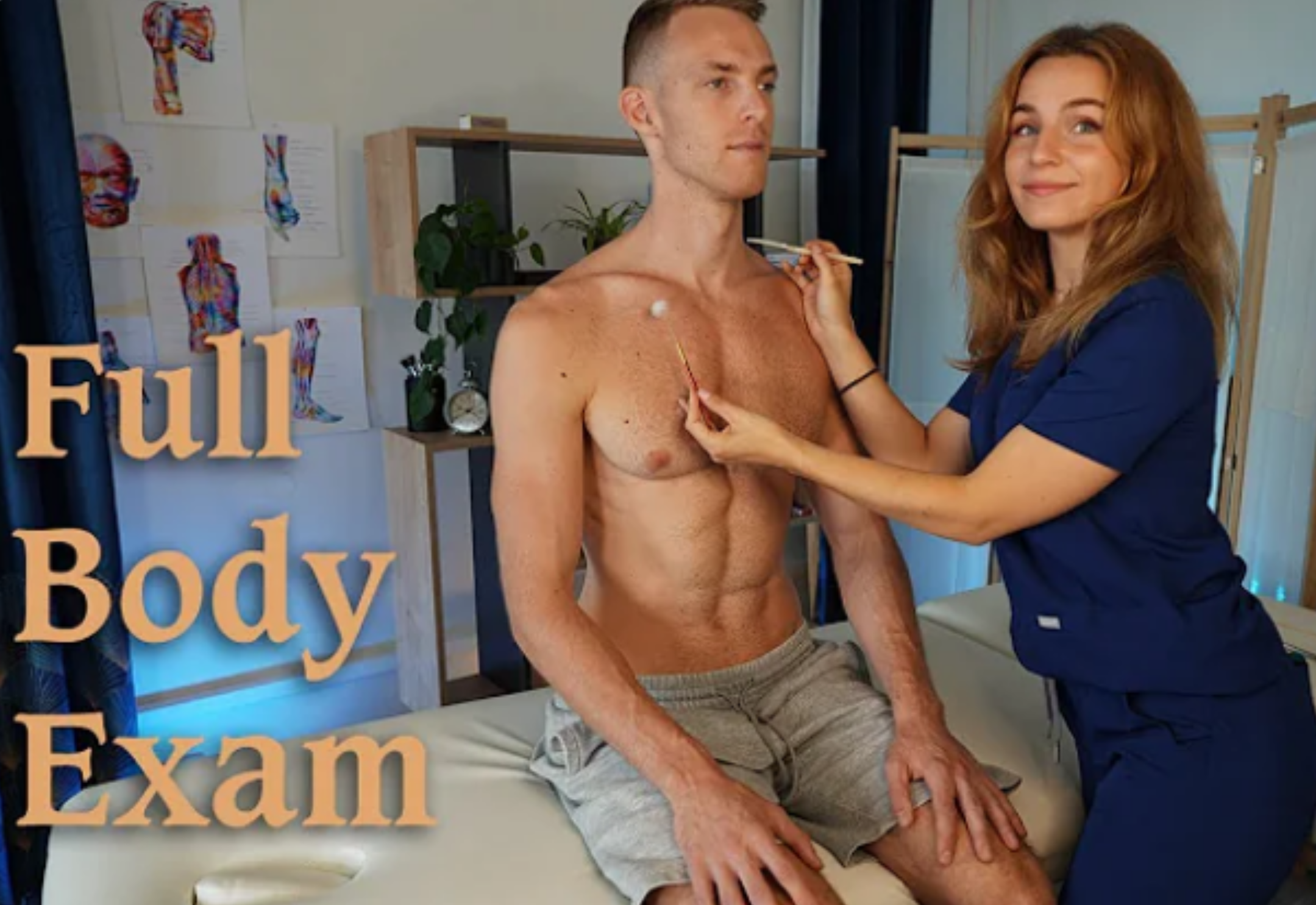
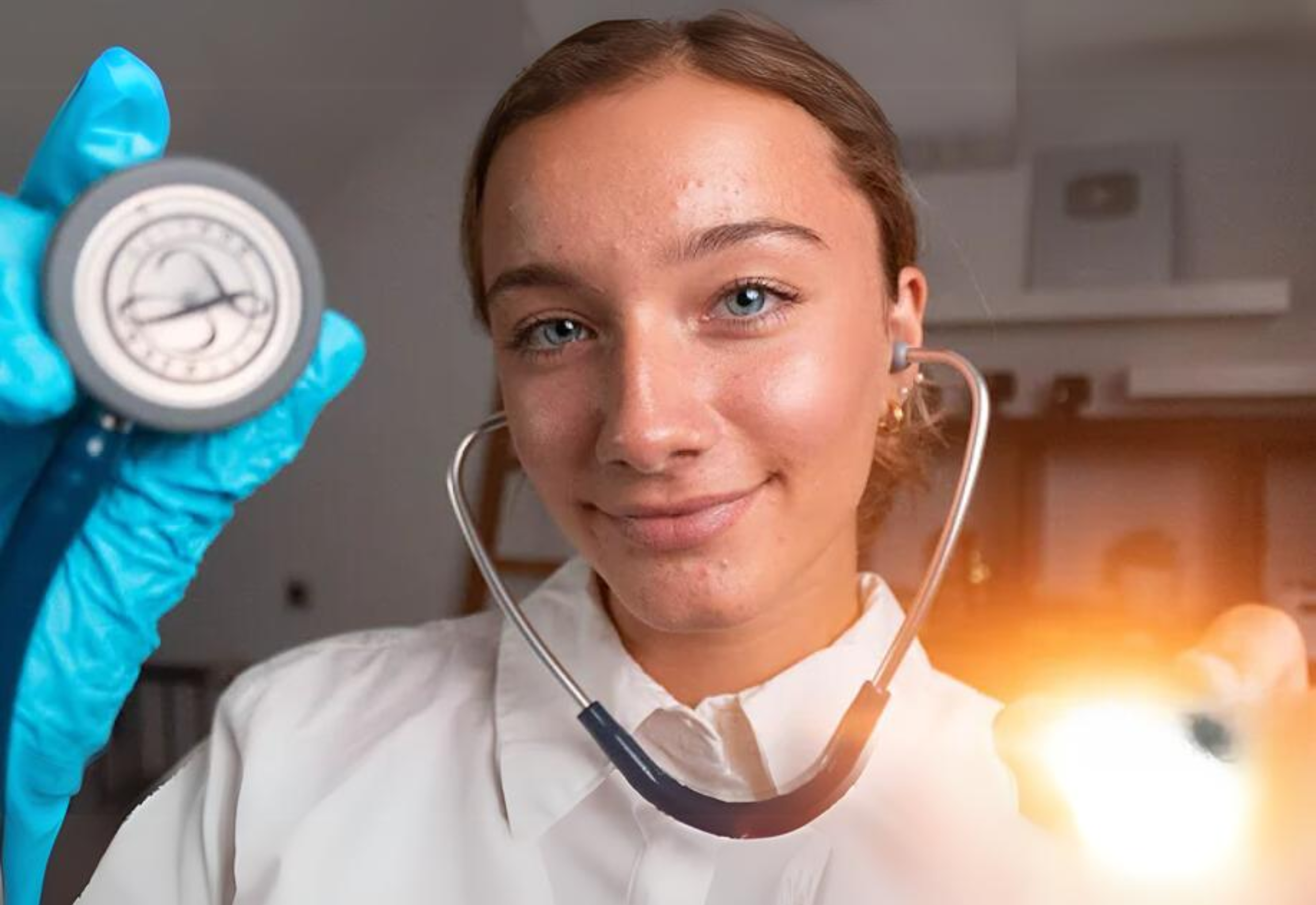
While not necessarily a theme or genre of ASMR, notably around half of video titles or descriptions included mention of specific body parts
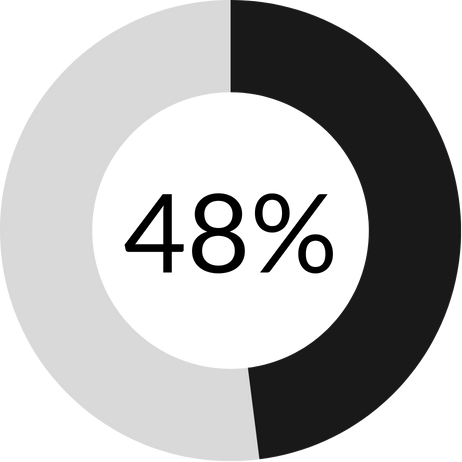
11% of videos mention the word “head”
9% of videos mention the word “mouth”
8% of videos mention the word “hand”
5% of videos mention the word “scalp”
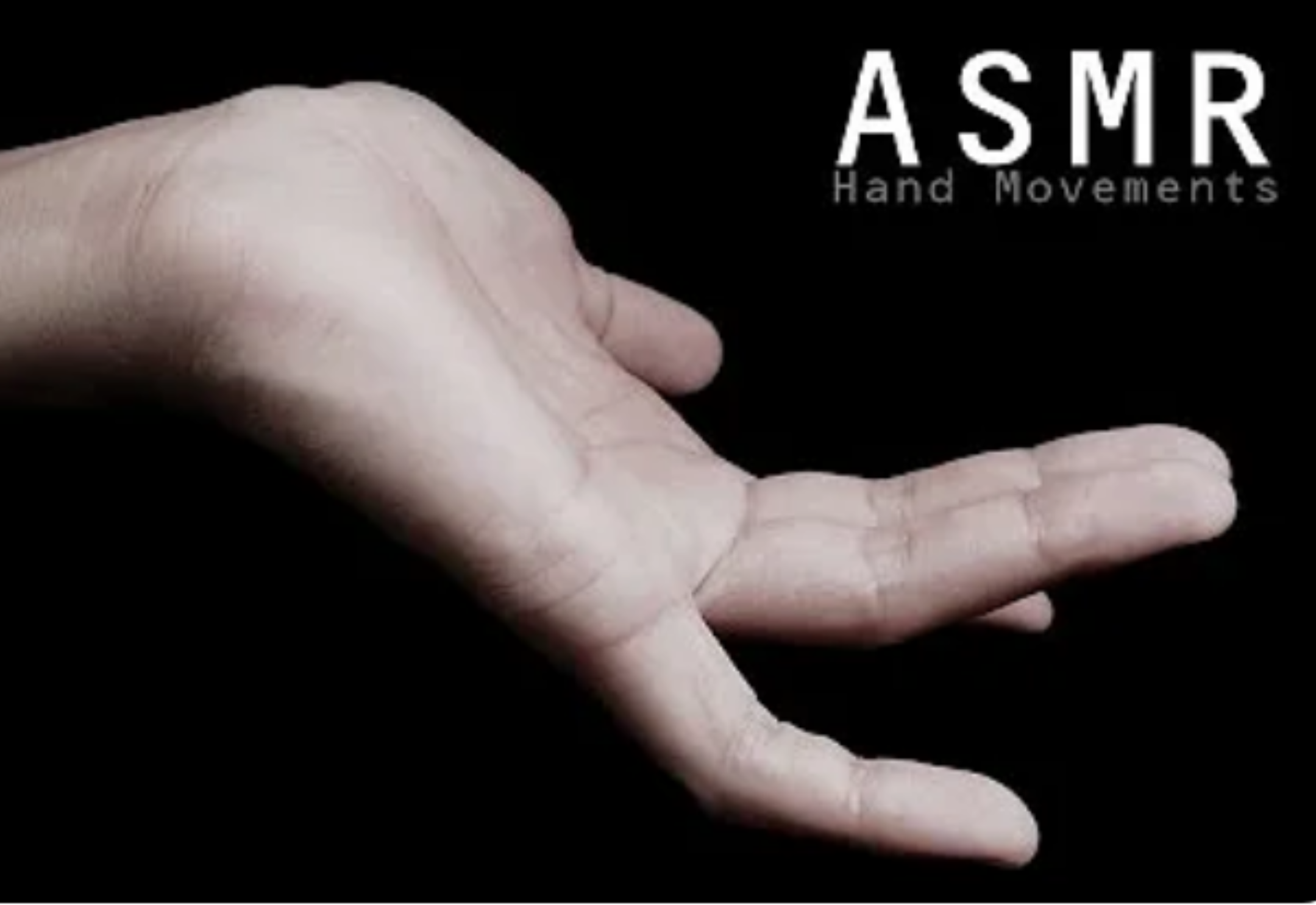
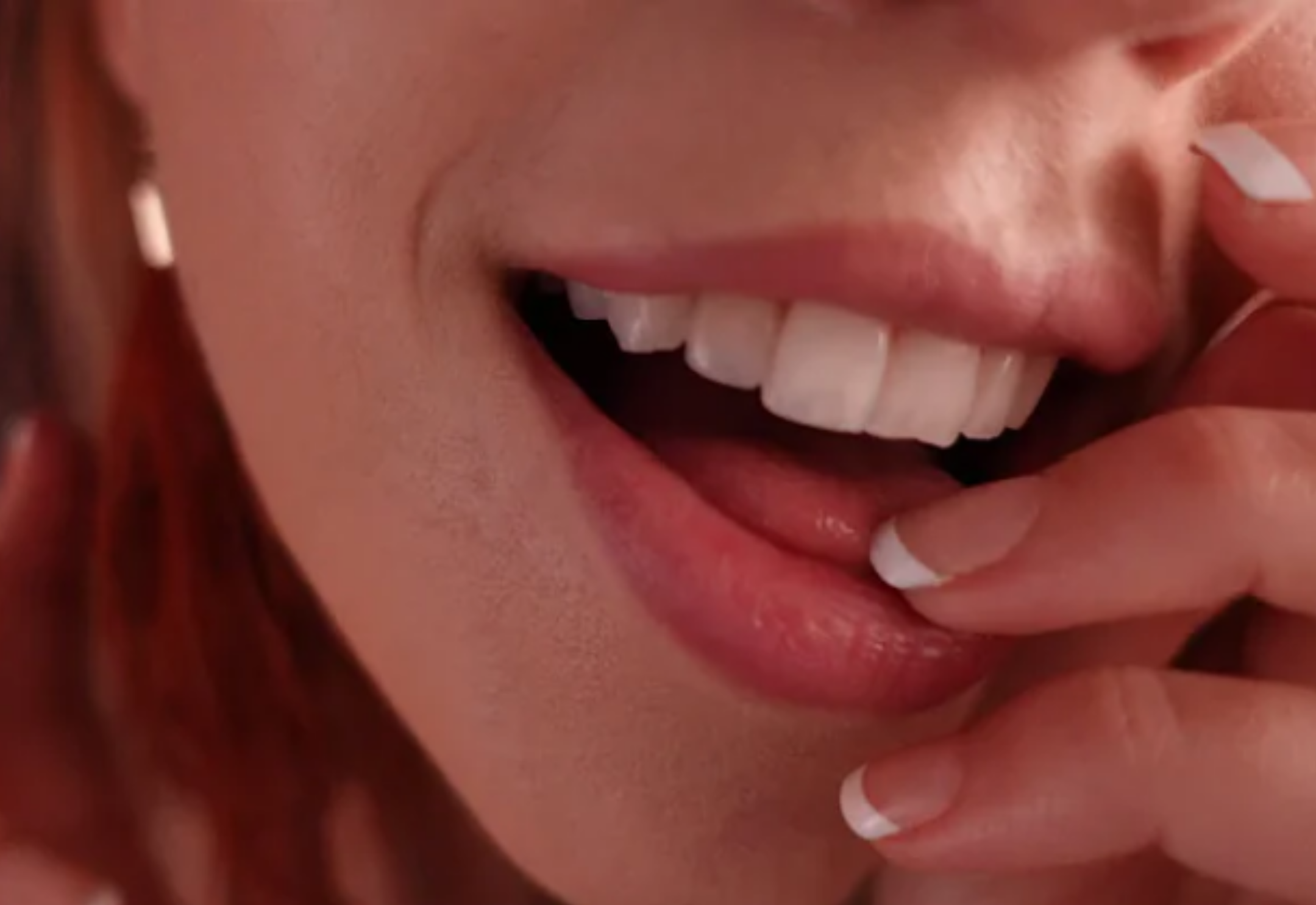
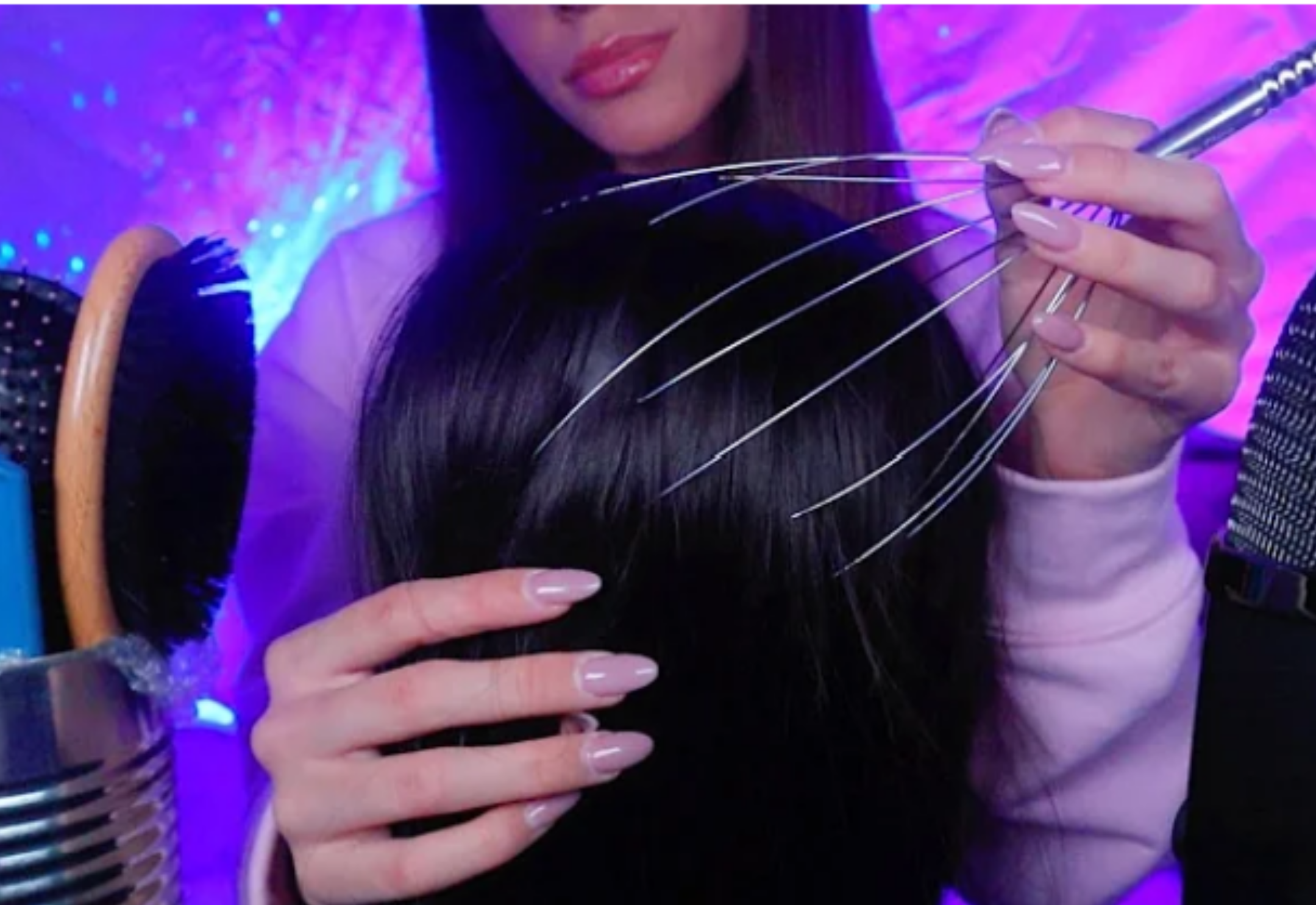
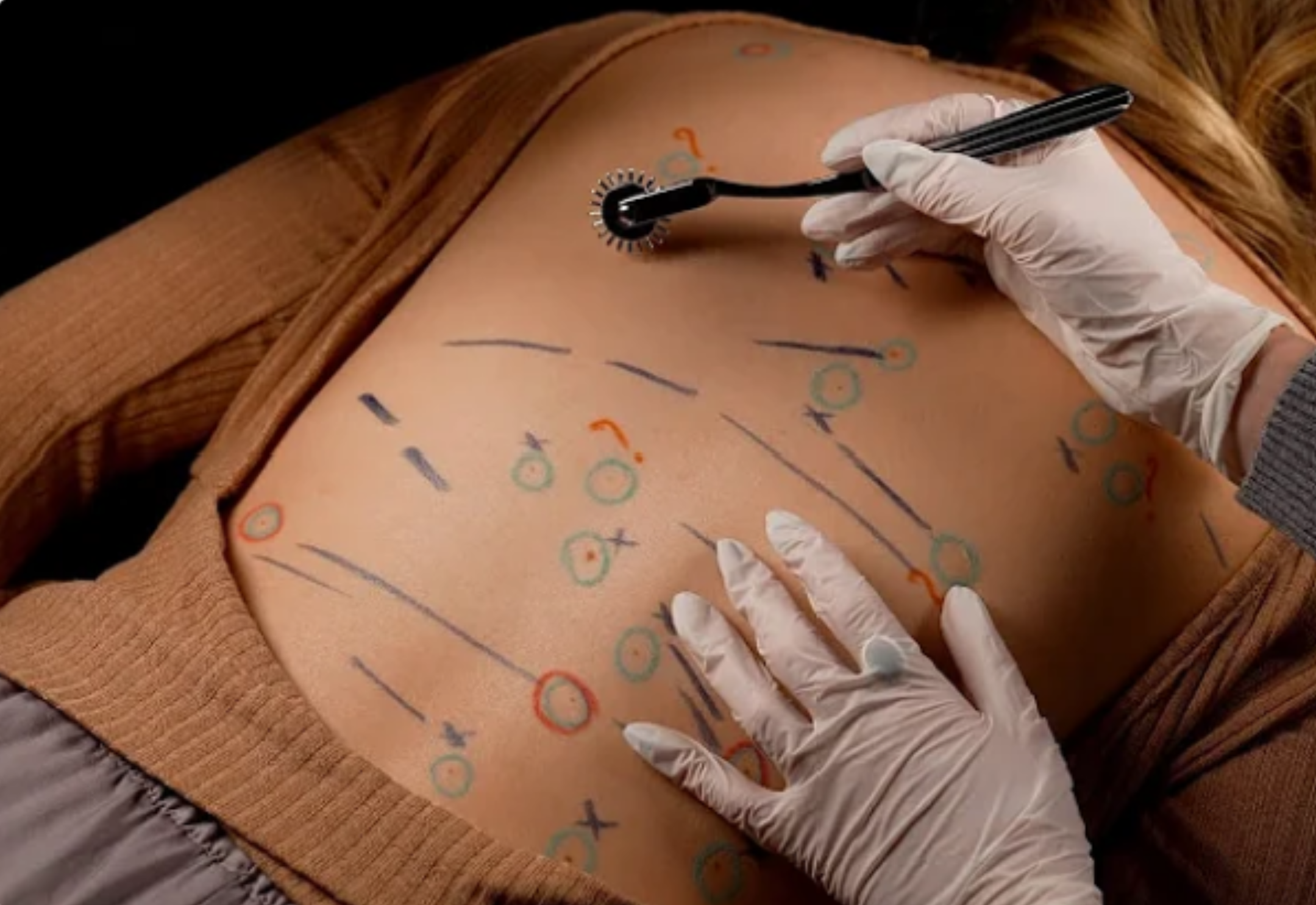
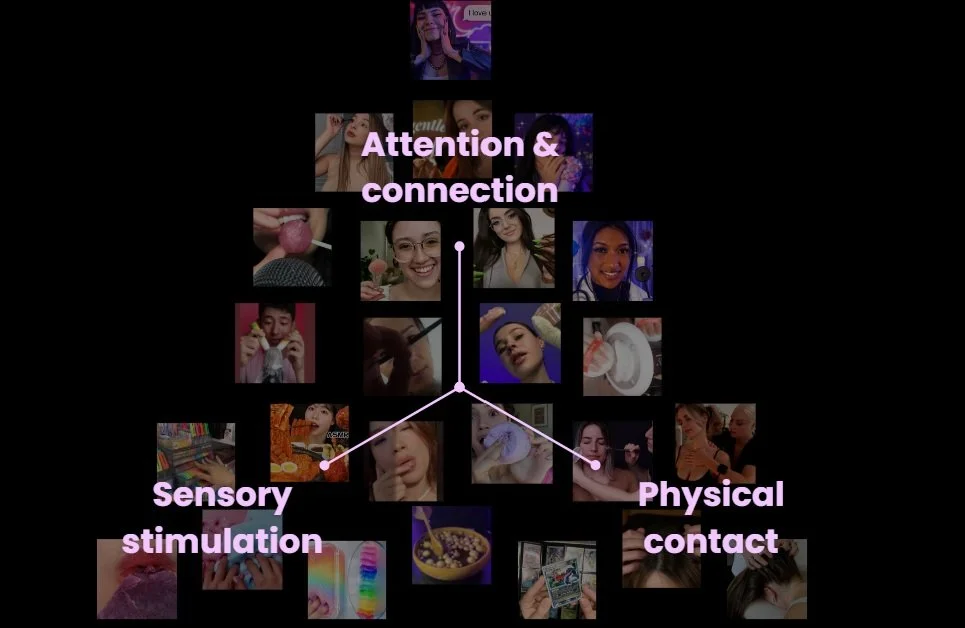
These videos are described using language that emphasises their visceral and tactile appeal. Mention of sound is central in these video titles and descriptions, but touch, bodies, intimacy and comfort all feature highly too, and several of the themes (personal care, massage, medical checks, etc) also overlap with personal attention, pampering and role-play.
In chapter 5 we explore what needs these videos appear to be appealing to, and in chapter 6 we ask whether ASMR videos will – or even can – satisfy these needs.
But first in chapter 4 we analyse what our survey evidence can reveal about who is watching ASMR videos and what they like about them.

Summary:
Not everyone who reports watching and enjoying ASMR videos is among the estimated 20% of the population who experiences the ‘tingling’ autonomic sensory meridian response.
Analysis of the titles and description of 4000 ASMR videos on YouTube reveals that many of the videos offer to fulfil a particular need, usually for sleep or soothing.
More than half of the videos promote themselves using words relating to sounds (whispering, talking, etc) and many others mention sleep, relaxation, food, personal care, stress relief, clinical or medical settings, and body parts.
Several of the themes also overlap with personal attention, pampering and/or role-play.
Read chapter 4: Young, overstimulated and overwhelmed
A survey of 2000 adults exploring why they do or don’t like ASMR
Sign up to hear more
Get in touch
If you have any questions or would like to talk to us about this work, feel free to email: damon.deionno@revealingreality.co.uk to speak with the research team.
+44 (0)20 7735 8040
The Ballroom, Maritime House, Grafton Square, SW4 0JW
September 2024