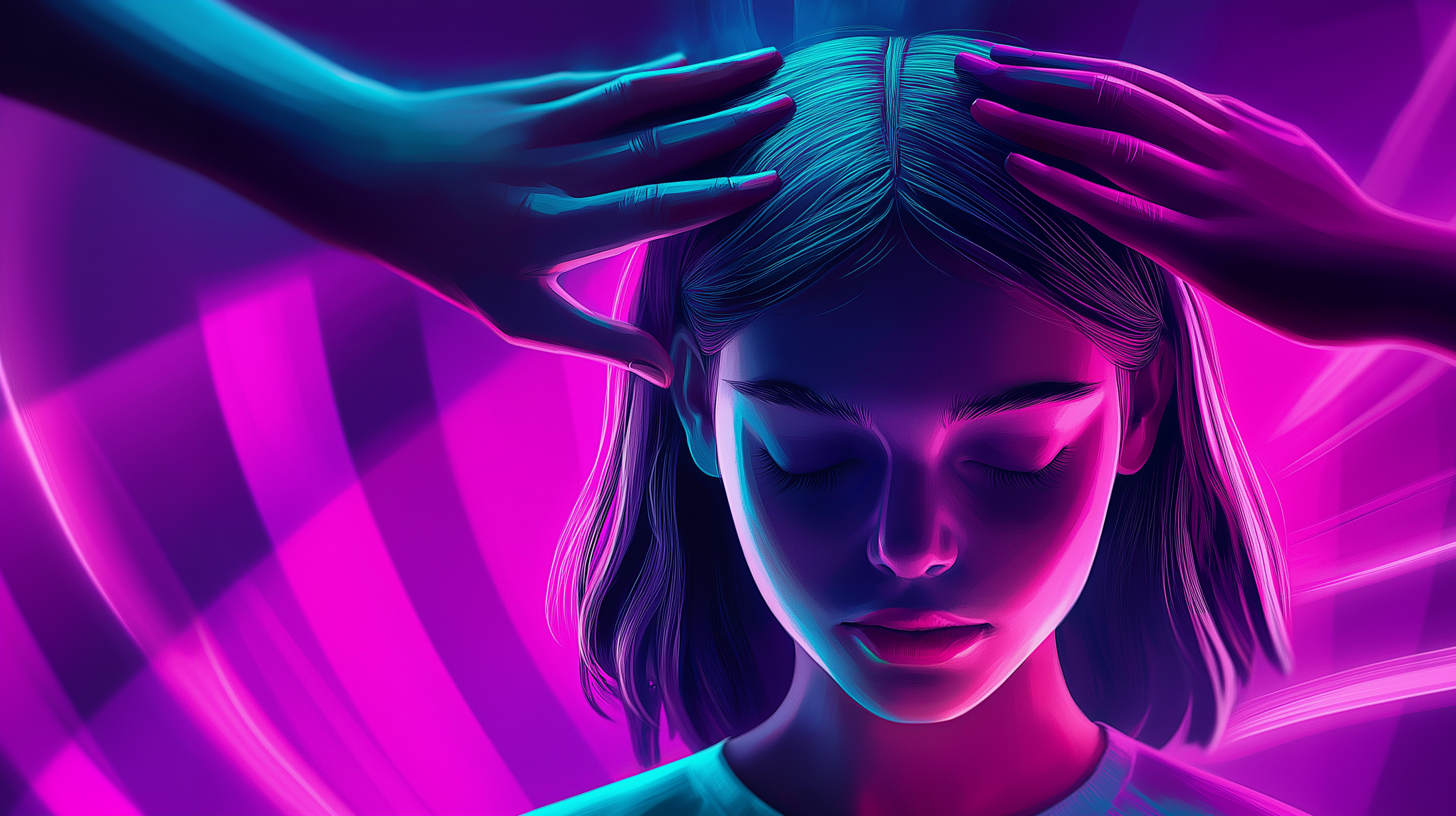
Visceral videos
“It feels like a head massage and your head is really tingly. You feel as though you’re actually the one there.”
Bryony, 15, Children’s Media Lives 2024, Ofcom

ASMR is everywhere
The clips you just watched are all from ASMR videos, just four we’ve chosen to represent some of the most common types of ASMR content from the thousands of similar videos available on social media. While a genre in itself, ASMR has many sub-genres, ranging from slime videos to spit painting (yes, that is what it sounds like).
What they have in common is a heightened emphasis on the sensory, often accompanied by role-played intimacy.
Every year, we spend hours looking at and analysing what young people are watching and doing online. We’d previously come across children seeing videos of slime, or cake mixture being stirred, or soap being sliced.
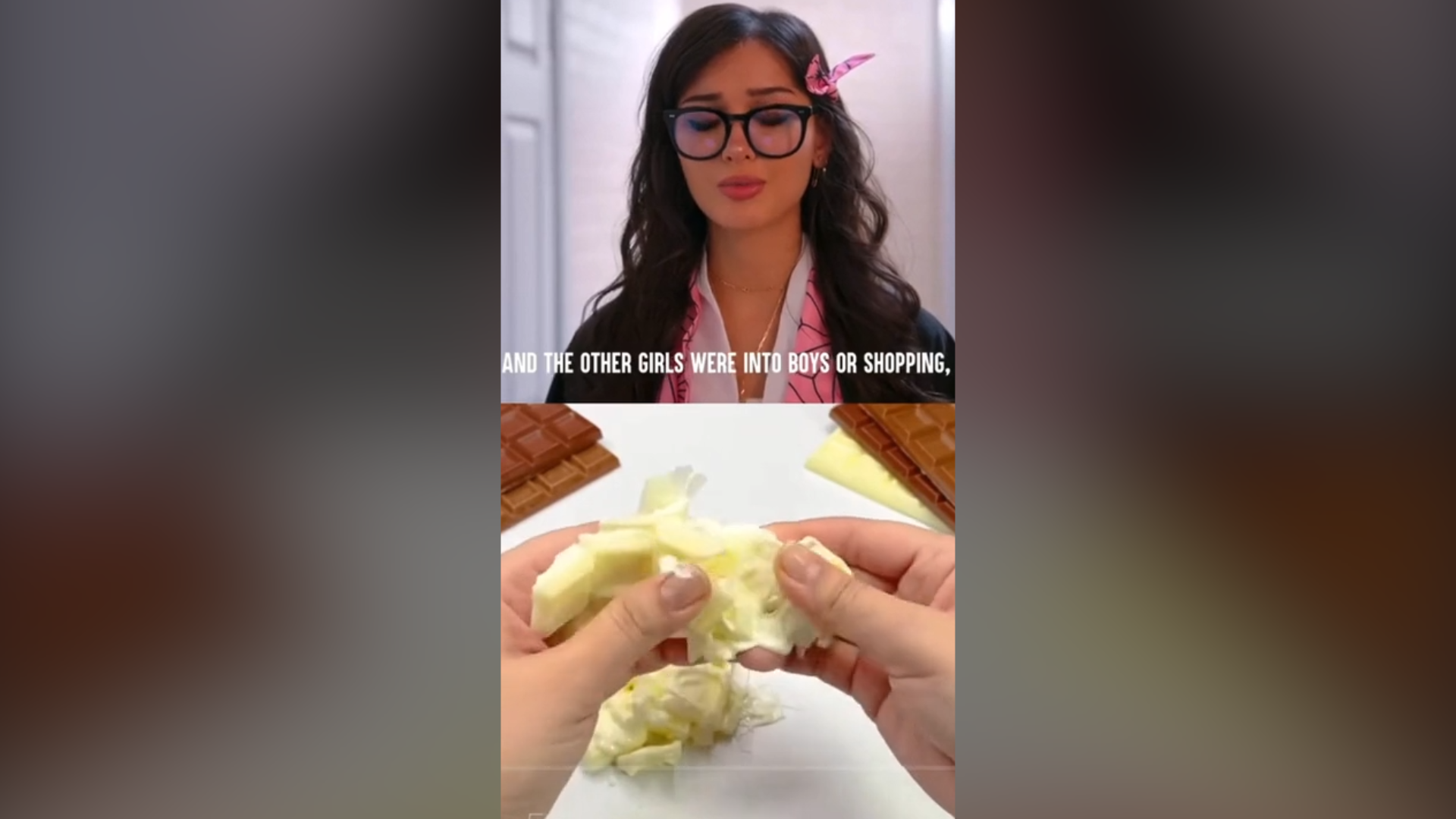
More recently, these videos were often one-half or one-third of the split-screen videos we increasingly saw children watching – where the other segments were unrelated, often short snippets of narrative content like films or TV series.
But during our fieldwork for this year’s annual Children’s Media Lives research for Ofcom, we spotted a notable shift: the majority of the teen girls in the study were watching ASMR videos, and they were no longer limited to slime and soap.
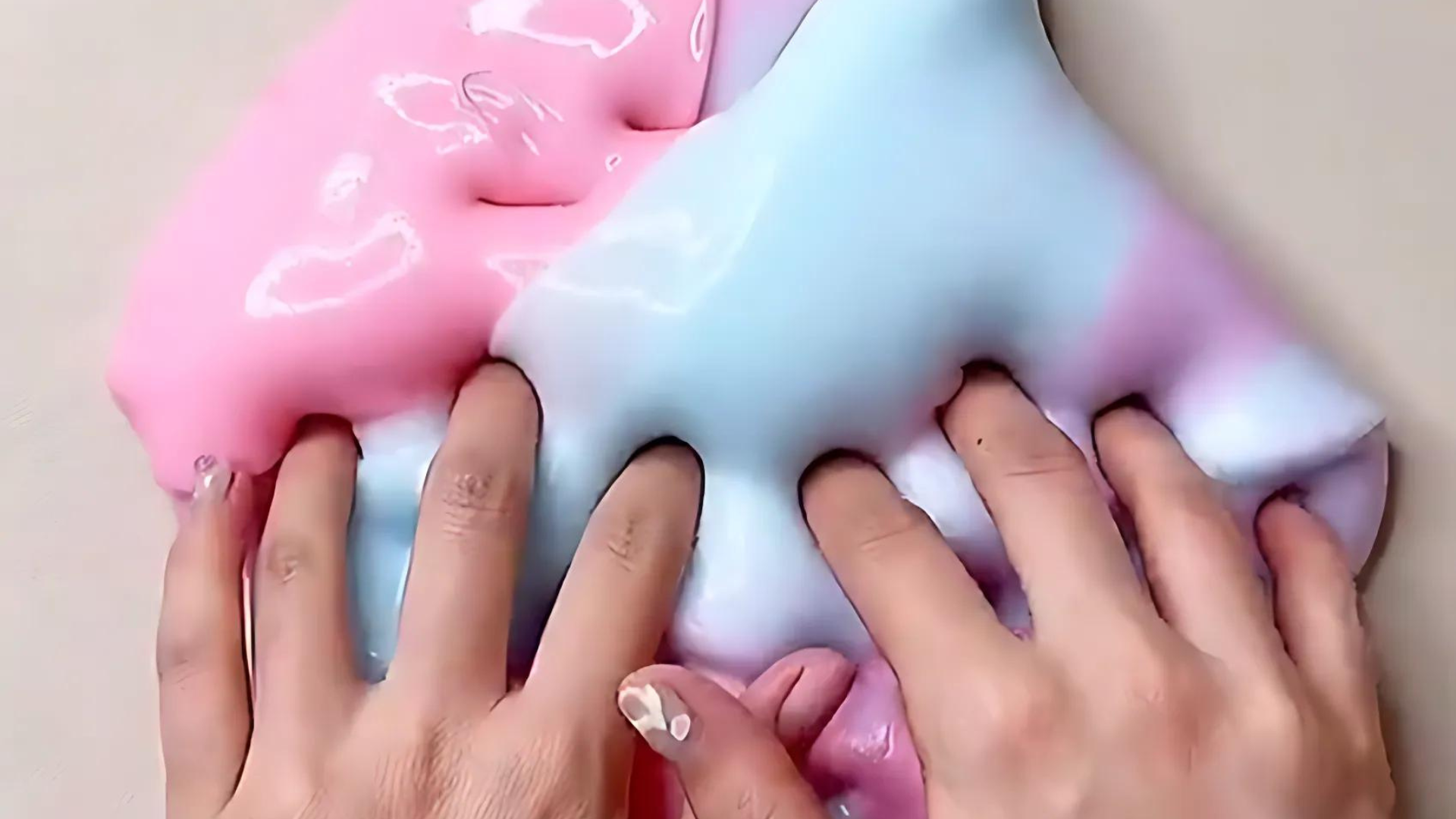
#CapCut #dharmann #stories #storyslimevideos
4.3k likes on TikTok
#slime #slimeasmr #slimevideo #relaxing #satisfying
109.4k likes on TikTok
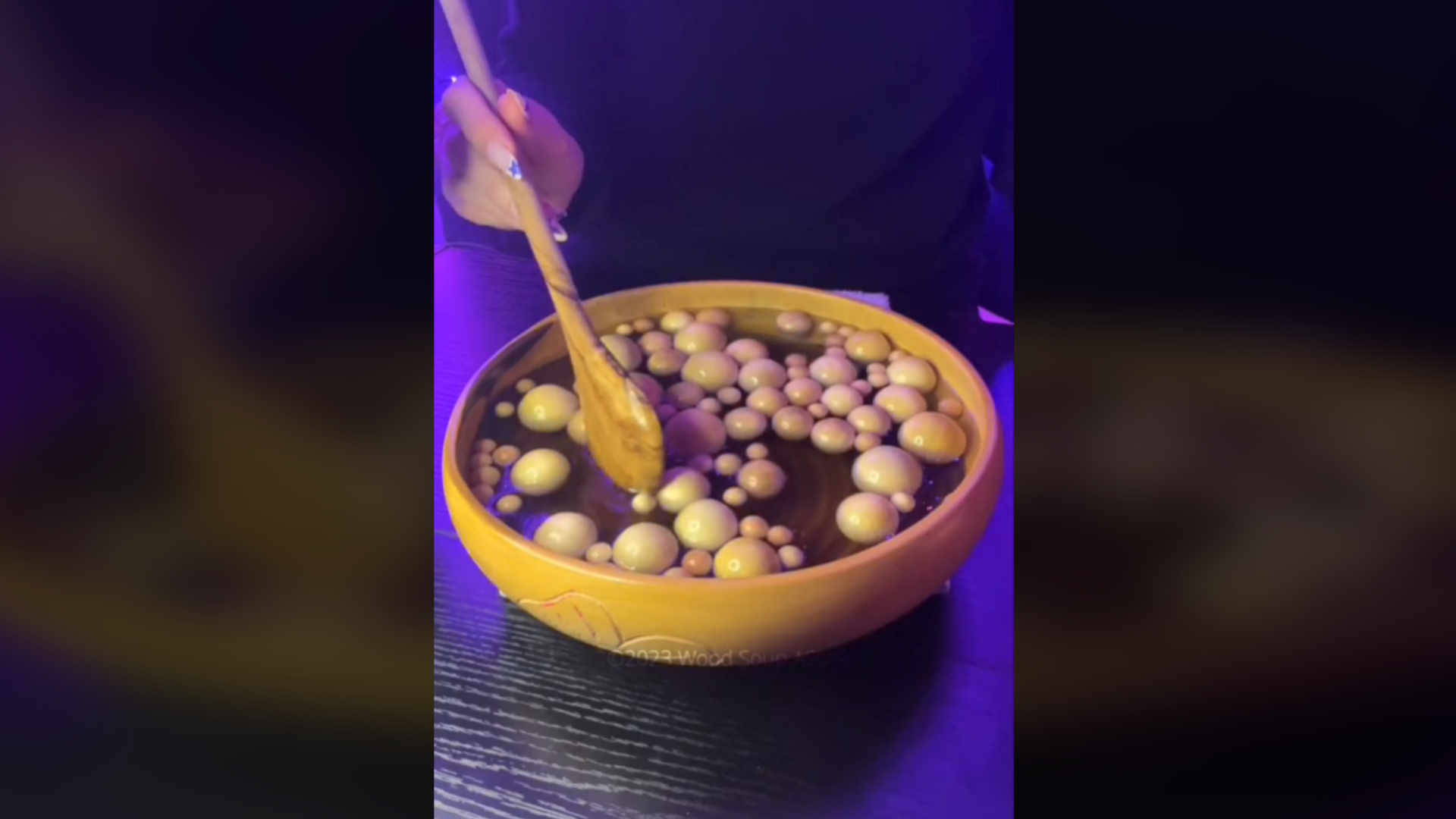
The style and content of these videos varied. In some, all that could be seen of the video’s creator was their hands – gently stirring wooden balls in a bowl of water, or kneading and folding slime, or rearranging brightly coloured pens into neat rows.
There was no narrative, no talking, but the sound was immersive – the tinkle and splash of the wooden balls in water, the crunching and squelching of the slime, the clicking and clacking of the plastic stationery. There were often plenty of coveted products - toys, stationary, slime, sweets.
Initially, we hypothesised that the appeal of tactile ASMR videos, like those featuring slime or cake decorating, might be a vicarious substitute for real-life, sensory, tactile or messy play, particularly for children with limited outdoor playtime and increased supervision.
ASMR: Wood Soup’s Greatest Hits
1 million likes on TikTok
Pencil asmr 😍🩷
356.9k likes on TikTok
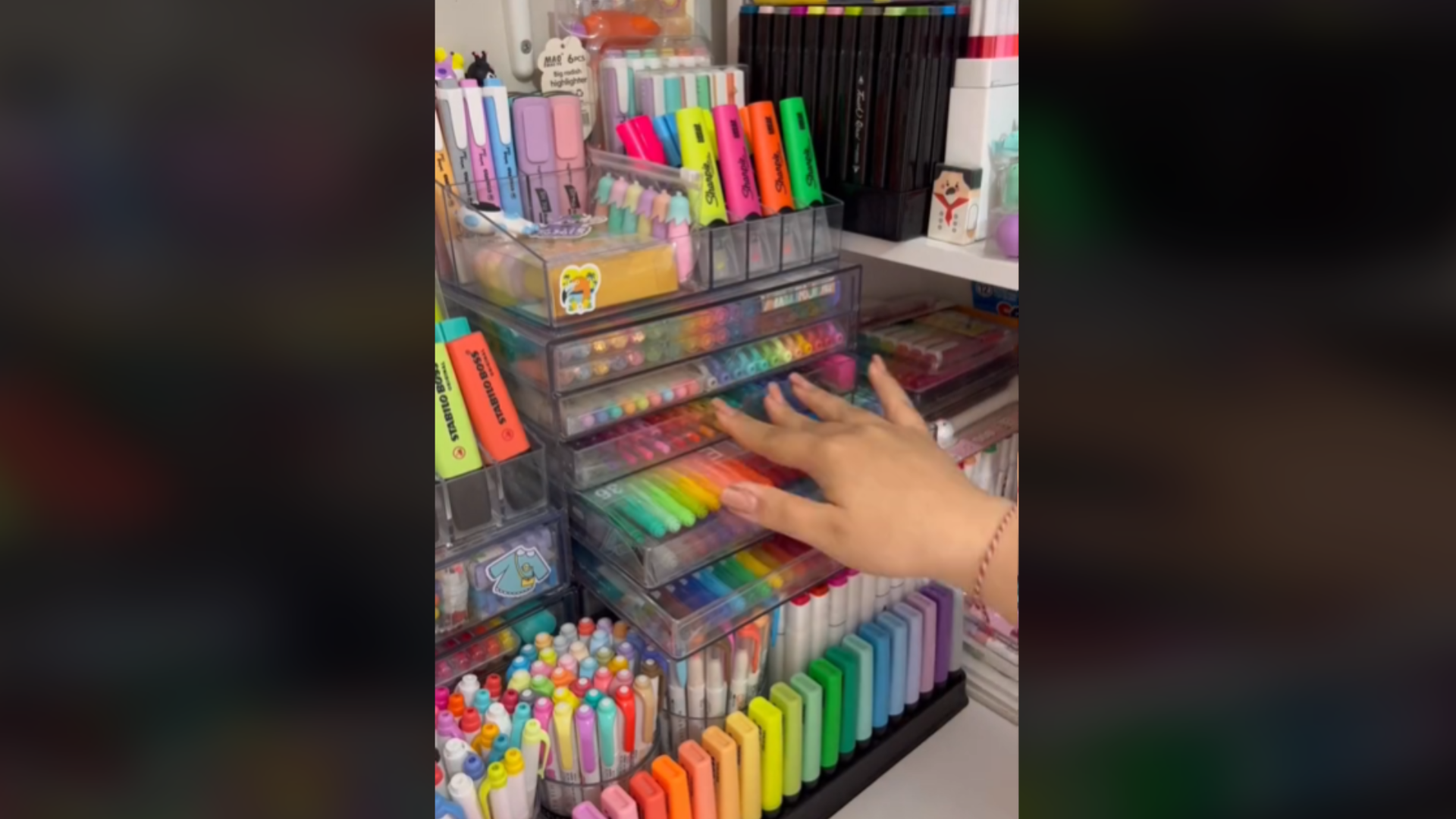
However, as we encountered more diverse ASMR content — whispered affirmations, intimate role-plays, and videos focusing on saliva and mouth sounds — we realised the appeal was broader.
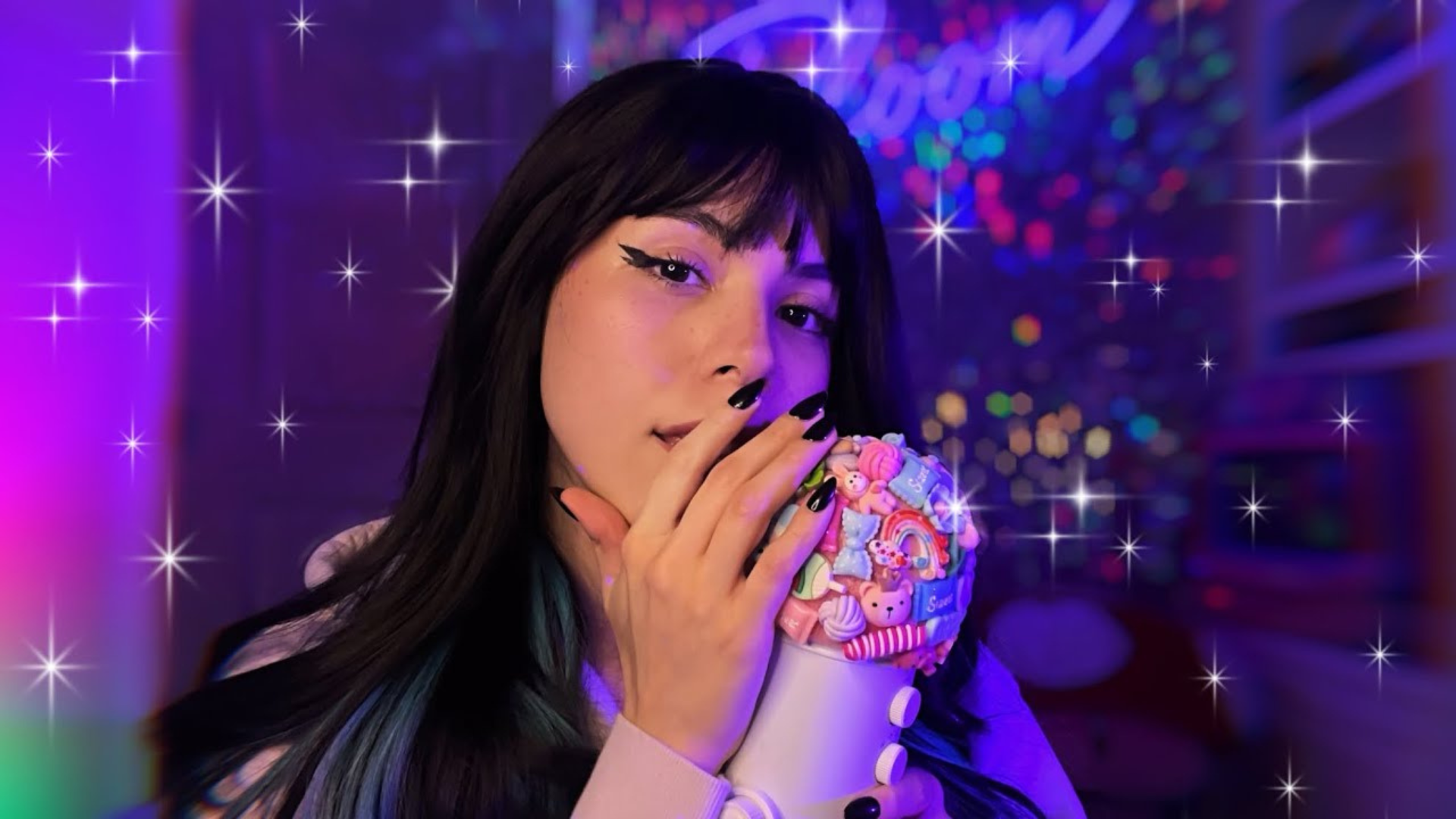
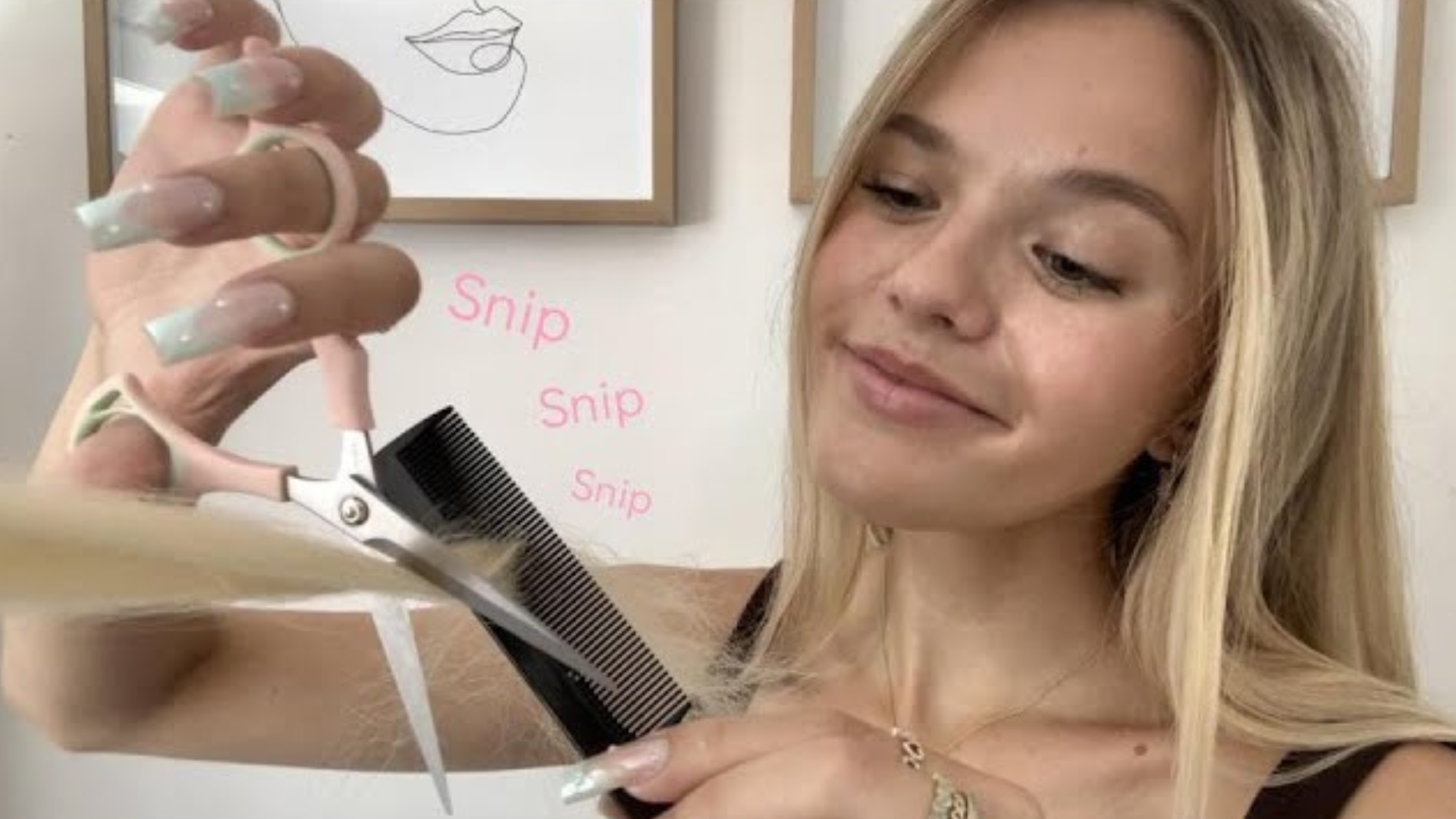
Several of the children had seen ASMR role-plays, often called POV (point of view) videos, with the content creator very much present and visible on screen: whispering up close to the microphone, gazing intently into the camera, making the viewer feel as though the creator was talking directly to them, or playing with their hair, or stroking their back as they went to sleep.
Again, the immersive audio is central to the effect – and to the viewer’s experience. The children said they watched ASMR videos to relax, or to help them go to sleep. But sometimes they were staying up half the night watching one after another.
ASMR Talking You To Sleep 💖 (whispers only)
Clip taken from a 45 min video, with 856k views on YouTube
ASMR Hair Salon Roleplay - cut, wash, & style
Clip taken from 55 min video, with 356.9k million views on YouTube
Tactile, intimate, visceral
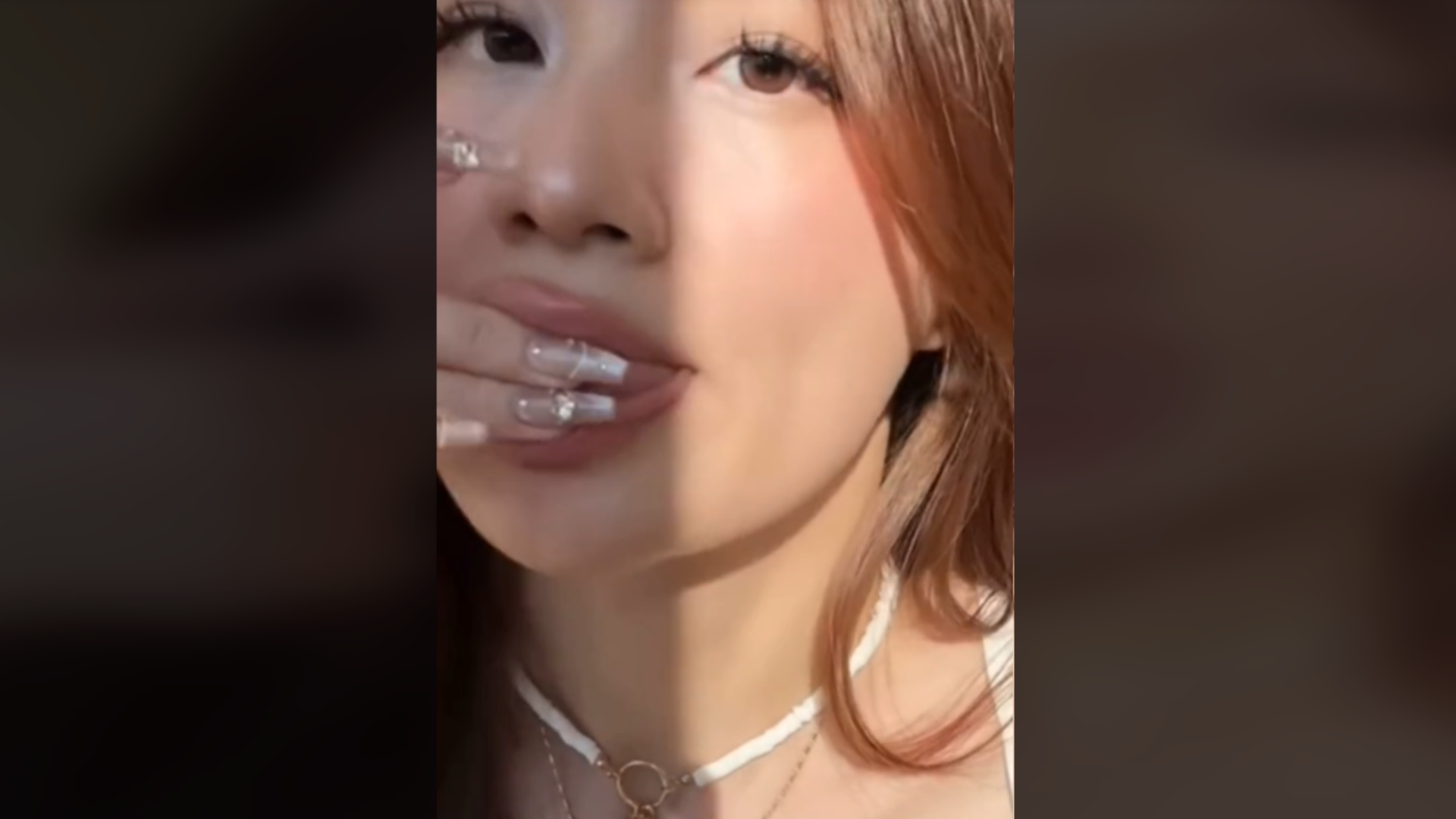
Many of these videos conveyed a palpable sense of touch – from the feeling of squishing slime to that of having your hair gently brushed. Amber, another child in the Children’s Media Lives project, told us she’d seen (but didn’t like) a type of ASMR video called ‘spit painting’ – in which the creator licks their fingers and role-plays applying their saliva onto the viewer’s face (i.e. the camera). It struck us that ASMR videos always seem to offer a visceral experience – either tactile or intimate – and in the case of ‘spit painting’, both.
We began to consider potential connections between ASMR's growing popularity and other societal trends – why are younger people turning to ASMR in greater numbers, and why now? Are there unmet needs that ASMR appeals to? What does people’s interests online say about their lives online?
ASMR - spit painting on you
369k likes on TikTok
Research methodology
Exploring ASMR from every angle
Over the next few chapters you will hear from people who both watch and make ASMR, and see statistics about the content of ASMR videos, who enjoys them, and why. To explore ASMR’s popularity and the reasons behind it, we conducted a range of research and data collection methodologies to explore these questions.
To understand the landscape of ASMR videos and what themes are common:
We conducted web scraping and analysis of YouTube videos containing references to ASMR. The details of 4000 unique videos were retrieved from a series of automated YouTube searches for the term ‘ASMR’, conducted in August 2024. Video titles and descriptions were all standardised into English, and key word analysis was conducted to explore what terms and themes emerged the most often across the sample of videos.
To understand who sees and enjoys ASMR videos the most:
We ran a survey with 2092 adults from across the UK, showing them four ASMR videos (the same videos we asked you to watch at the start of this article) and asked follow-up questions about how they felt about them. We also asked questions about their social media use, social preferences, and sensory sensitivities to explore what qualities people who enjoy ASMR might have in common.
To understand why people watch ASMR videos and what role they play in their lives:
We engaged and interviewed 12 people who love to watch or listen to ASMR, exploring how they first came across the content, when, where and how they like to consume it, and what they like about it. We reached them through a range of routes, including recruiting via social media and YouTube comments.
We also interviewed four people who create ASMR content and share it online, known as ‘ASMRtists’, asking them what they made, what had prompted them to make it, how it had changed, what audiences seemed to like, and how they optimise the appeal of the ASMR content they create.

Summary
There are many different kinds of ASMR videos – those featuring slime or soap, whispered affirmations, point-of-view (POV) role-plays and videos focusing on saliva and mouth sounds.
What they have in common is they all offer immersive audio and a visceral experience – either tactile or intimate, and often both.
We started to question whether the growing appeal of ASMR videos related to unmet needs or other societal trends that may explain why young people are turning to it, and why now.
We conducted qualitative and quantitative research and analysis to answer these questions.
Read chapter 3: From whispers to wetness
An analysis of 4000 ASMR videos
Sign up to hear more
Get in touch
If you have any questions or would like to talk to us about this work, feel free to email: damon.deionno@revealingreality.co.uk to speak with the research team.
+44 (0)20 7735 8040
The Ballroom, Maritime House, Grafton Square, SW4 0JW
September 2024