
AI and the algorithm
WARNING
The following article contains material that some people may find disturbing or offensive!
Meet the egg monster…
(SOUND ON)
22/11/24
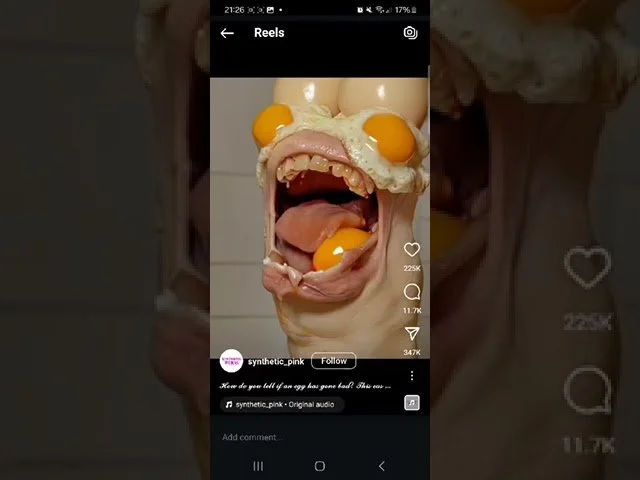
Synthetic_pink Instagram - This video appeared in one of our director's Instagram reels last week as a random anomaly amidst their usual posts, which typically feature conservatories and cute puppies.
A week on from meeting the egg monster, and pausing on it, and sharing it, this is what the same Instagram feed looks like…
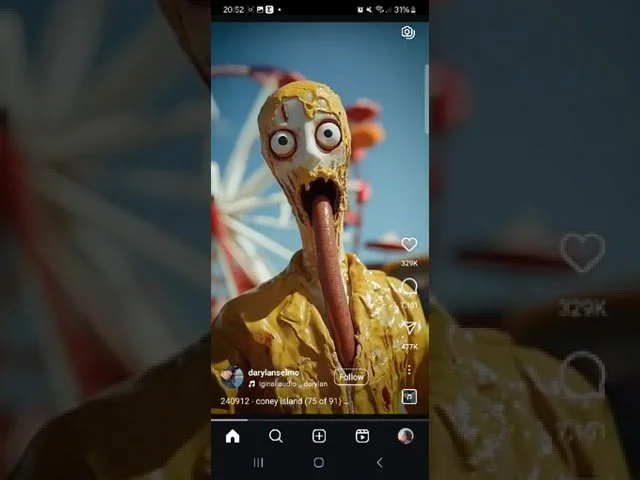
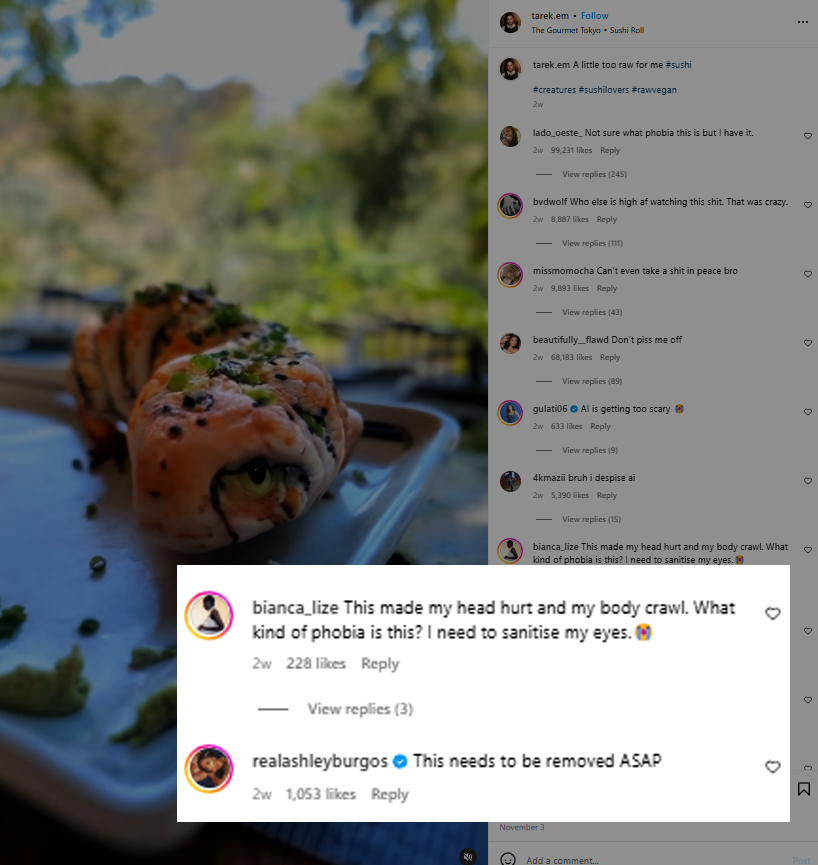
This is of course one social media feed. Many will not see content this weird, however it’s worth looking at the numbers of views these clips have amassed. There's clearly enough of a market for content like this for accounts to be posting it.
We are regularly asked how AI is changing social media. Since AI made deepfakes possible, there has been a real worry that this will change consumers’ ability to separate fact from fiction, and we did see AI imagery in respondent content feeds in our recent election work with the Guardian. AI deepfakes are undeniably on the rise. AI generated video is increasingly being used.
The videos below also highlight a recent surge in AI-generated content over the past few months, covering a diverse range of themes such as politics and nature.



When the egg monster video did the rounds of our office, there were a mixture of reactions. For some this will be visceral, and a small number won't feel anything.
Themes seem to include distortion of animal forms, organic fluids, infection, contagion, misplaced and distorted orifices – all classic elements of horror, similar to the art of H. R Giger and others.
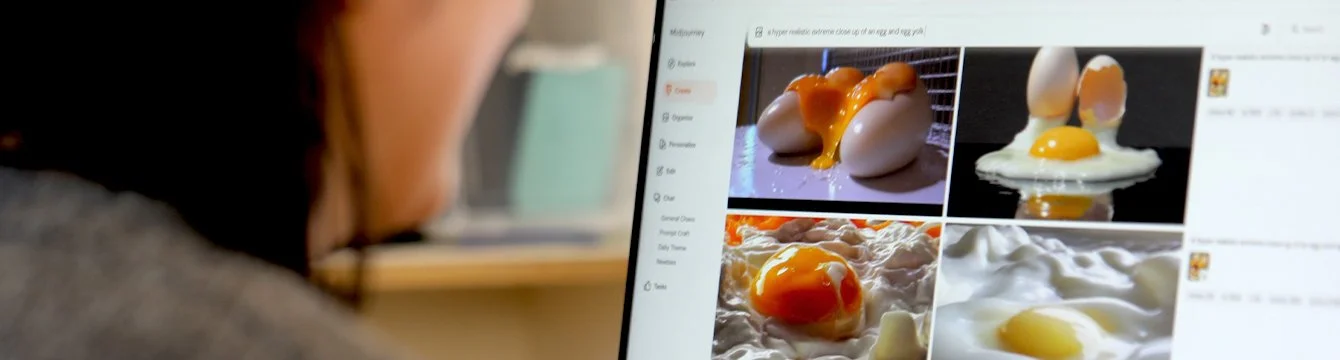
If you’ve experimented with AI image generation you will have found that it seems to lack basic human boundaries, and if you’ve taken that exploration further you will know that you need to put work in to helping the AI avoid ‘simple’ mistakes such as generating extra fingers. When using image generating services there is often a slider for weirdness (see image). How far do you want the AI to deviate from established norms?
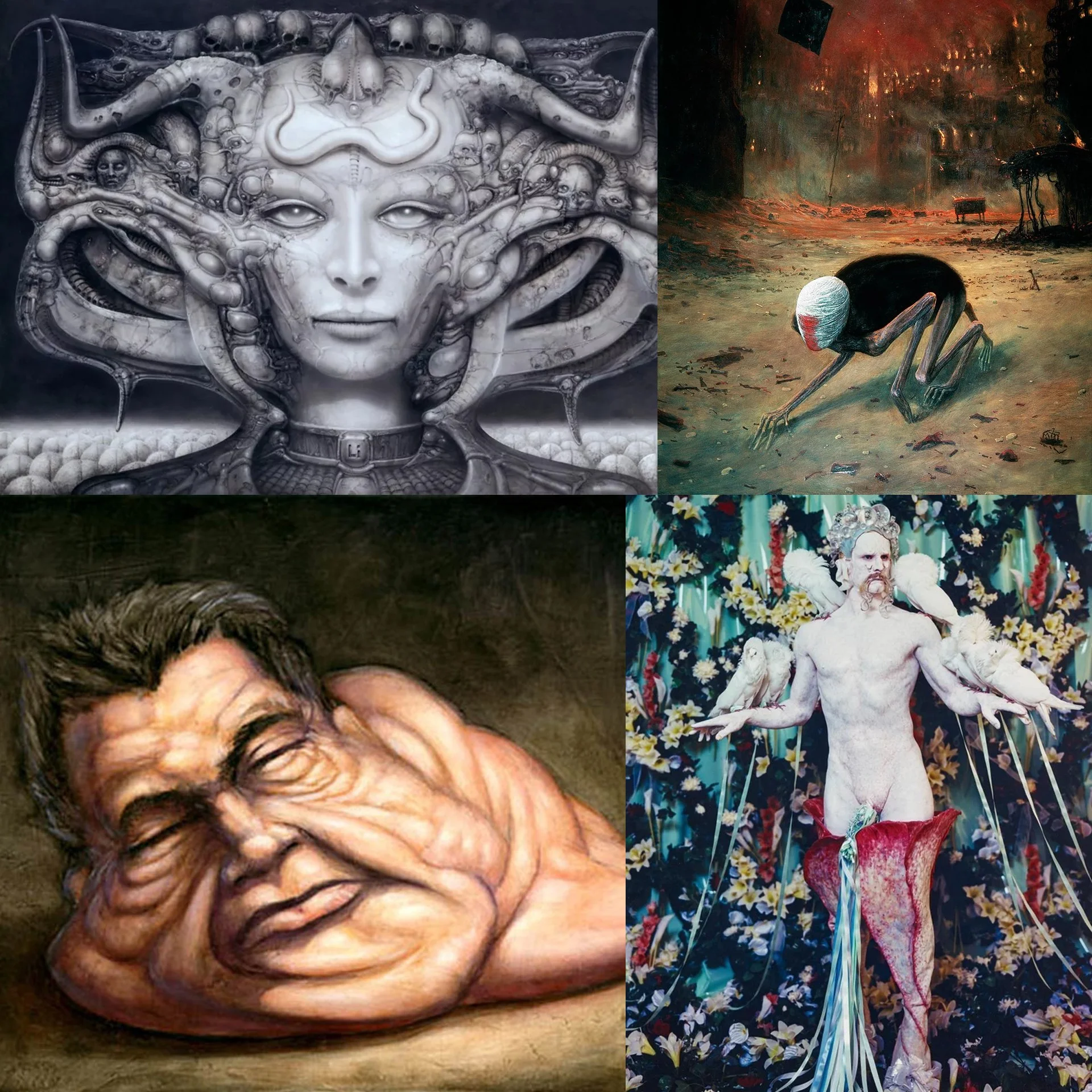
From left to right: H.R Geiger, Zdzisław Beksiński, John U. Abrahamson, Matthew Barney
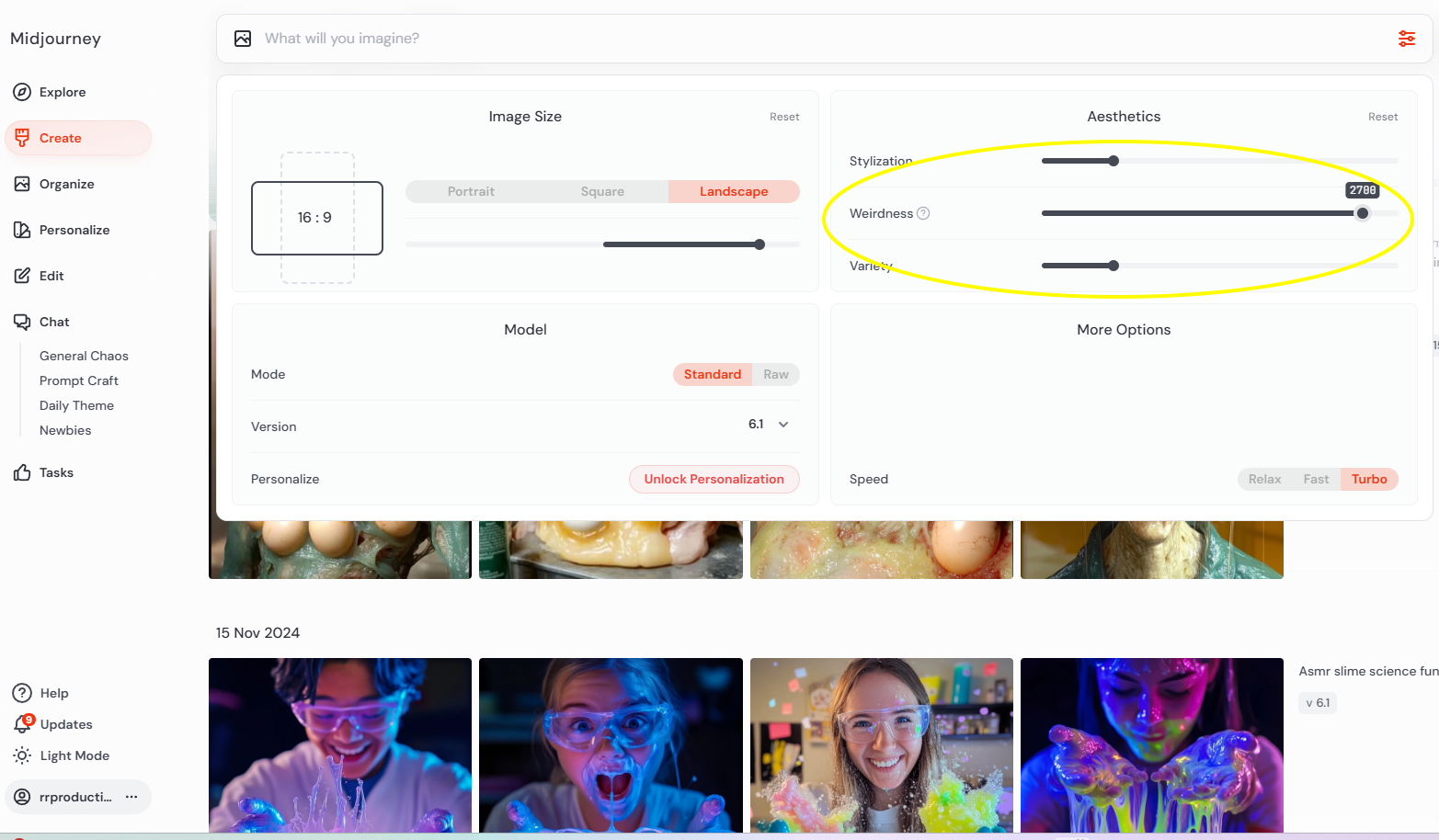
Revealing Reality Midjourney Platform – dialling up the weirdness
It’s not difficult to see why such content thrives in the ecosystem of social media. The ad funded model, and the attention economy that results from it, relentlessly selects for and promotes content that captures the viewer, even for a moment. The term Rubbernecking is somewhat derogatory but refers to the instinct to slow down and gawp at the horror of a road traffic accident. It’s credited with causing delays and making roads less safe. It’s sometimes referred to as ‘gapers’ block’ or ‘gapers’ delay’, as drivers slow down to see what’s happened in a crash. This slowdown is all that a piece of content needs to win within the social media environment. It has won the battle for momentary attention and will be promoted by the algorithm, as well as anything similar. We might recall the seemingly less terrifying Momo character from more innocent digital times.

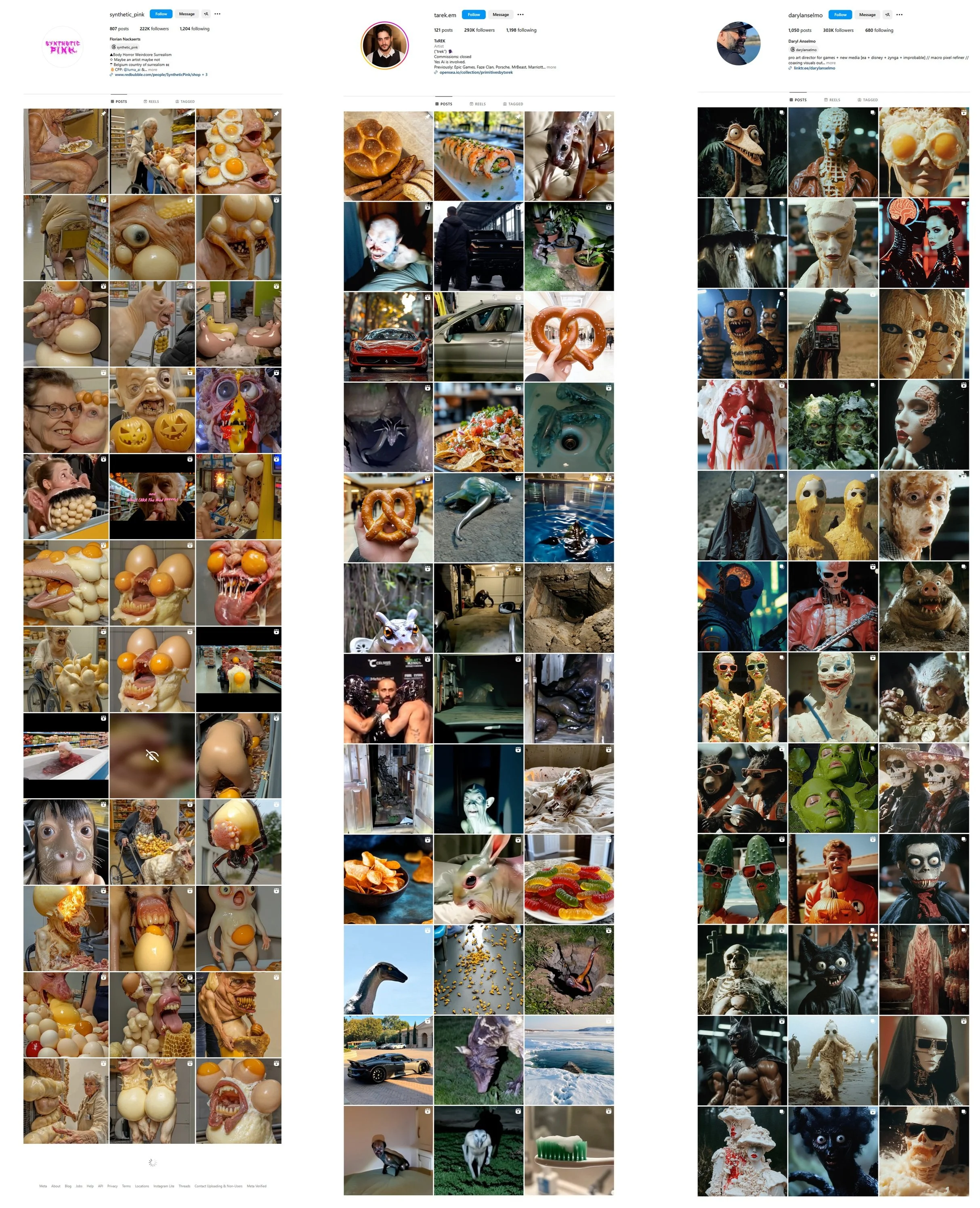
Creators across various platforms are embracing AI-generated videos at an astonishing rate, producing content that captures massive audience engagement.
Creating AI-driven video content has become remarkably simple, thanks to free, user-friendly tools that streamline the process.
Here’s an example of how easy it was for us to create a similar video:
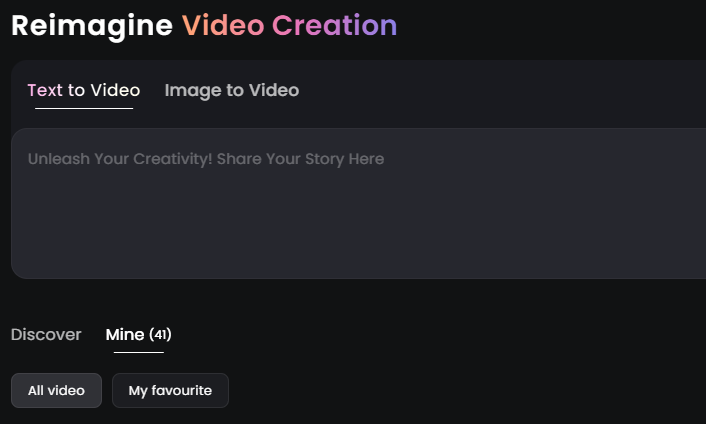
Create an image in Midjourney: This AI tool generates high-quality visuals tailored to your imagination.
Upload the image to Hailuoai.video: An intuitive image-to-video generator takes care of the transformation.
Write a ‘story’ in the prompt box: A short description adds life and movement to your visual.
Submit: In just moments, watch your static image evolve into a dynamic video.
Audio: Use AI music and sound generators to create an audio track to add to the video.



Revealing Reality AI Video-Gen test using Midjourney, Hailuo, Udio and MyEdit
This workflow is accessible even to beginners, enabling creators to focus on storytelling while the technology handles the heavy lifting.
The appeal of the outrageous
Beyond the shock factor, there's a certain appeal to emotionally charged content. Outrageous comments, heated arguments, and even abusive behaviour can generate significant engagement. It's a dark side of human nature, our fascination with the scandalous. This dynamic is amplified by social media, where every interaction can be seen and judged by a vast audience.
In the race for attention, creators and platforms are often incentivised to push boundaries and provoke reactions. This can lead to a vicious cycle, where increasingly extreme content is rewarded with more views and shares.
Sign up below to stay informed about our work in this field and receive updates on our upcoming multimedia report on ASMR.
Sign up to hear more
Contact the team
Feel free to contact damon.deionno@revealingreality.co.uk to discuss